
Reading HabitsA daily reading habit does not require the same free hour every day. Learn how to use flexible cues, short reading sessions and a simple backup plan to keep books in your life when your schedule changes.
Read article · 4 min↗
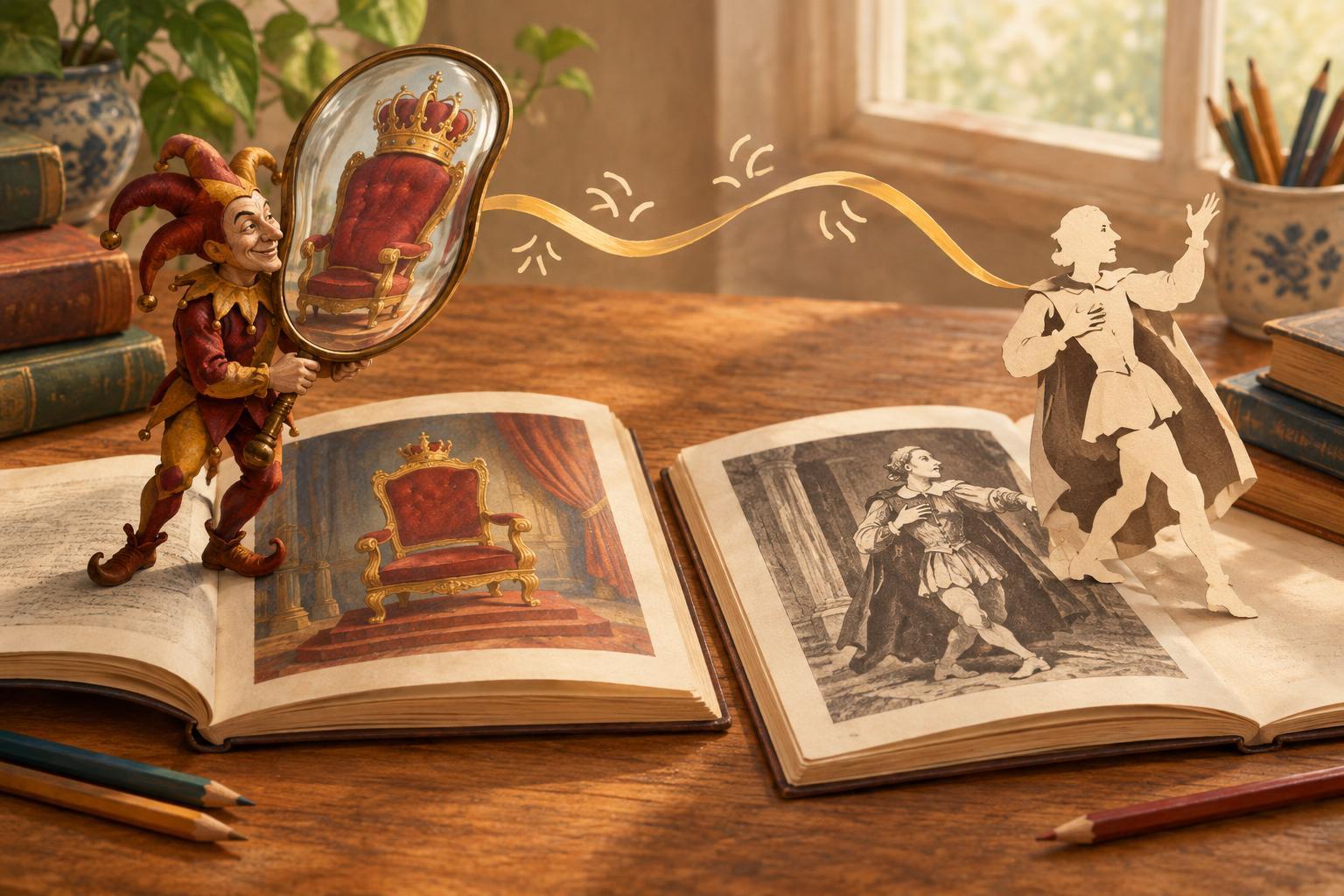
Literary GenresSatire and parody can both be funny, exaggerated and critical, but they aim their humor differently. Learn how to tell them apart, where they overlap and what to notice when discussing a humorous work.
Read article · 3 min↗
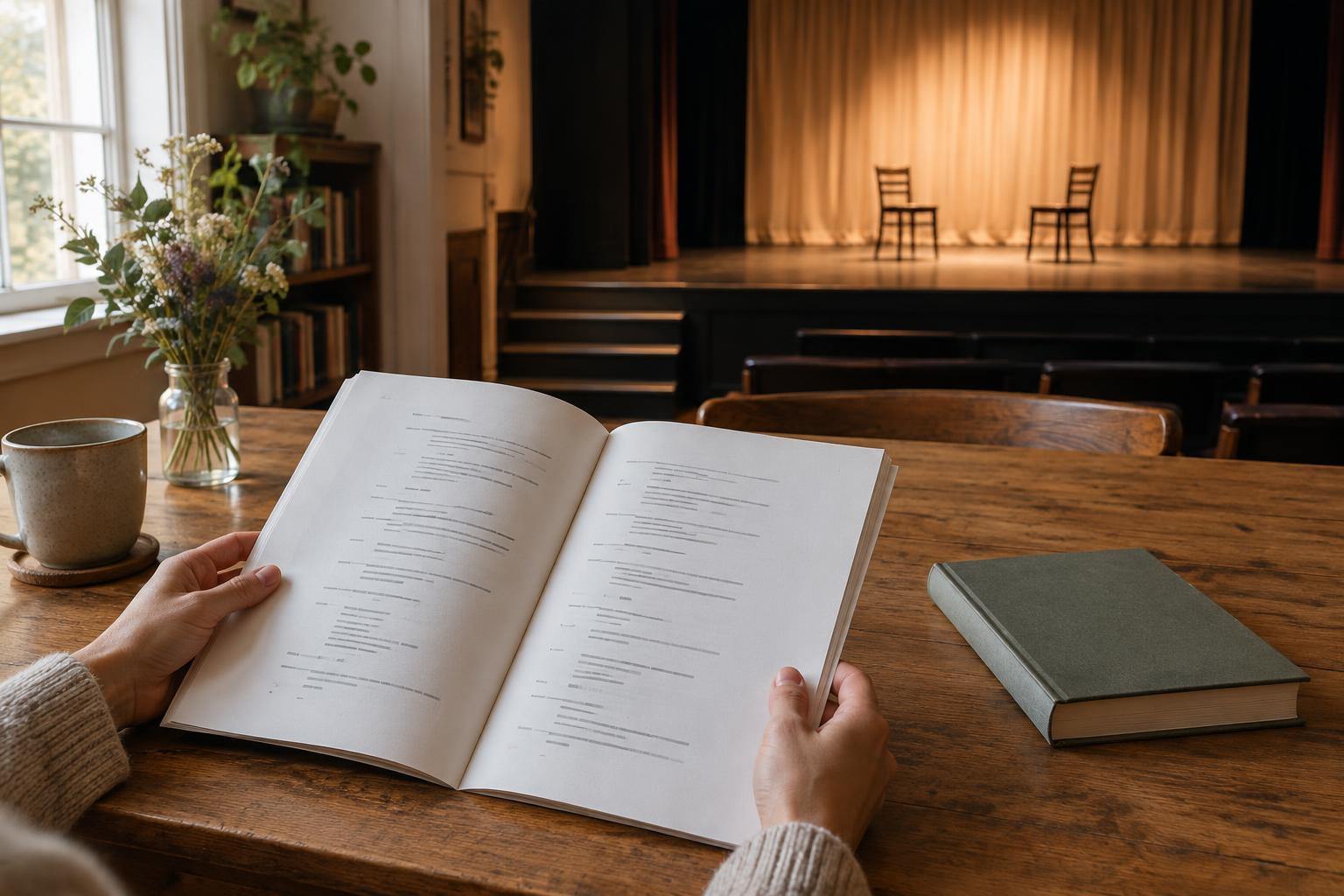
Literary GenresA play asks readers to build a story from dialogue, action, and what remains unsaid. Learn how to keep track of characters and scenes, read stage directions without getting stuck, and imagine a performance while leaving room for interpretation.
Read article · 4 min↗
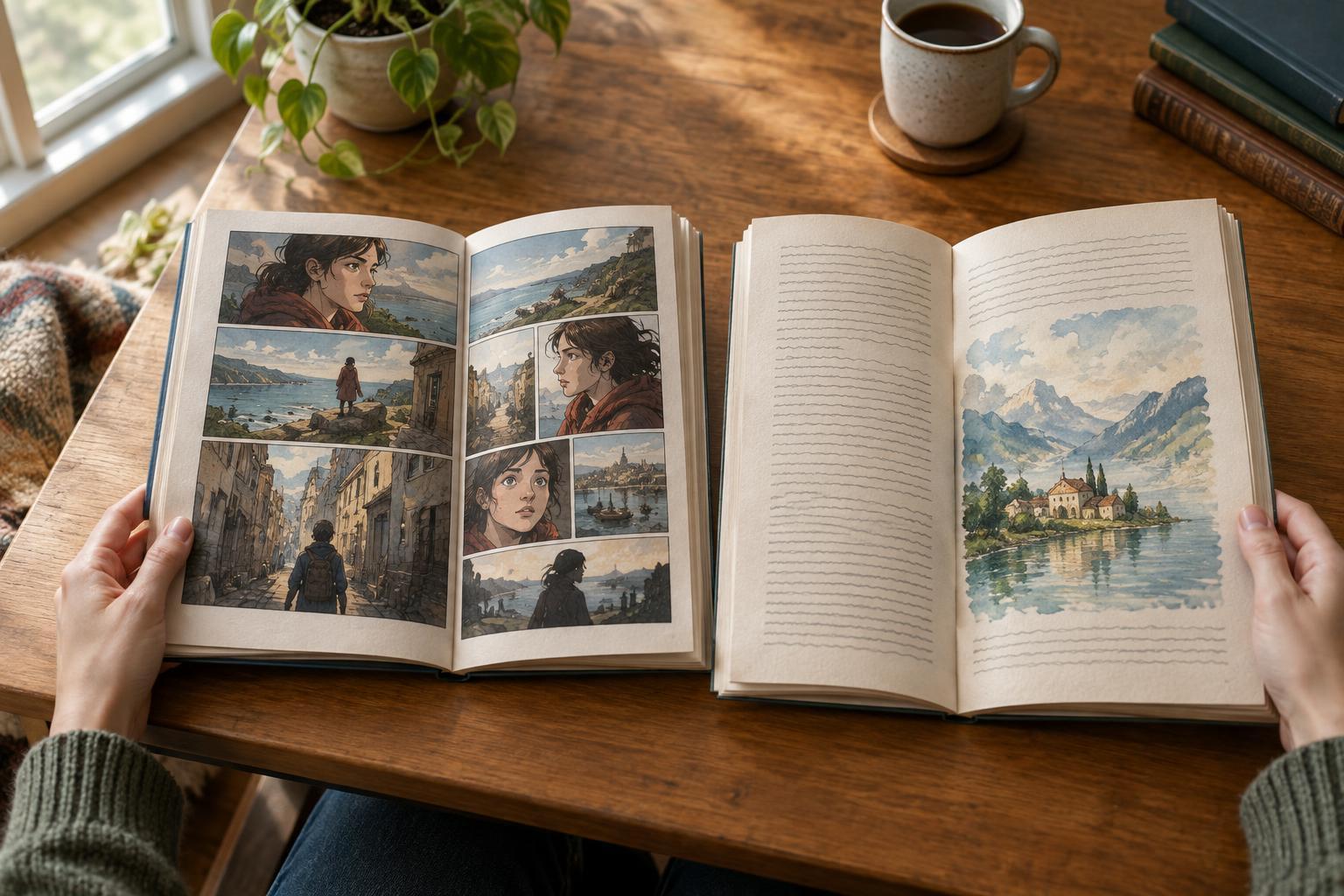
Literary GenresBoth graphic novels and illustrated prose pair words with pictures, but they ask readers to make meaning in different ways. Learn how to notice what images reveal, what text leaves unsaid, and how the two work together.
Read article · 4 min↗
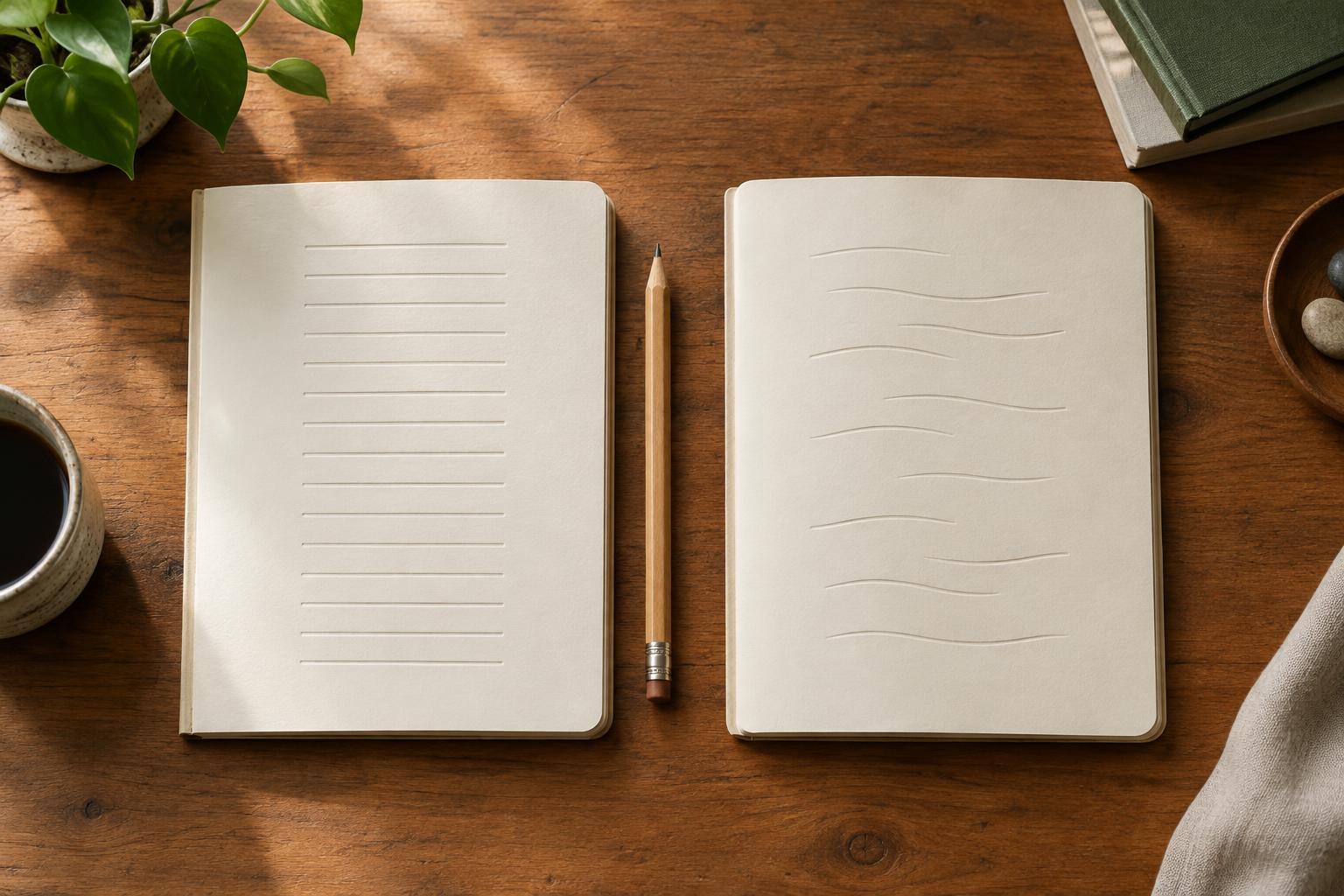
Literary GenresFree verse and formal verse use different kinds of structure, but neither leaves sound or shape to chance. Learn how meter, rhyme, line breaks and repetition work, and try a simple exercise to hear the difference.
Read article · 4 min↗

Literary GenresA short story collection and a linked story cycle can both offer the pleasure of reading one piece at a time. The difference lies in what happens between the pieces: how characters, places, images and unanswered questions return to change the larger picture.
Read article · 3 min↗

Literary GenresBoth forms can explore a subject deeply, but they ask readers to follow different kinds of movement. Learn how structure, voice and pacing shape the experience of an essay collection or a single-argument nonfiction book.
Read article · 4 min↗
Literary GenresNarrative nonfiction draws readers through events, while expository nonfiction organizes information to explain a subject. Learn how each approach works, where they overlap, and what to notice as a reader or writer.
Read article · 4 min↗

Literary GenresMemoir and autobiography both tell true stories from a writer’s life, but they usually make different promises to the reader. Learn how scope, perspective, and structure shape each form—and why the boundary between them is not always firm.
Read article · 4 min↗
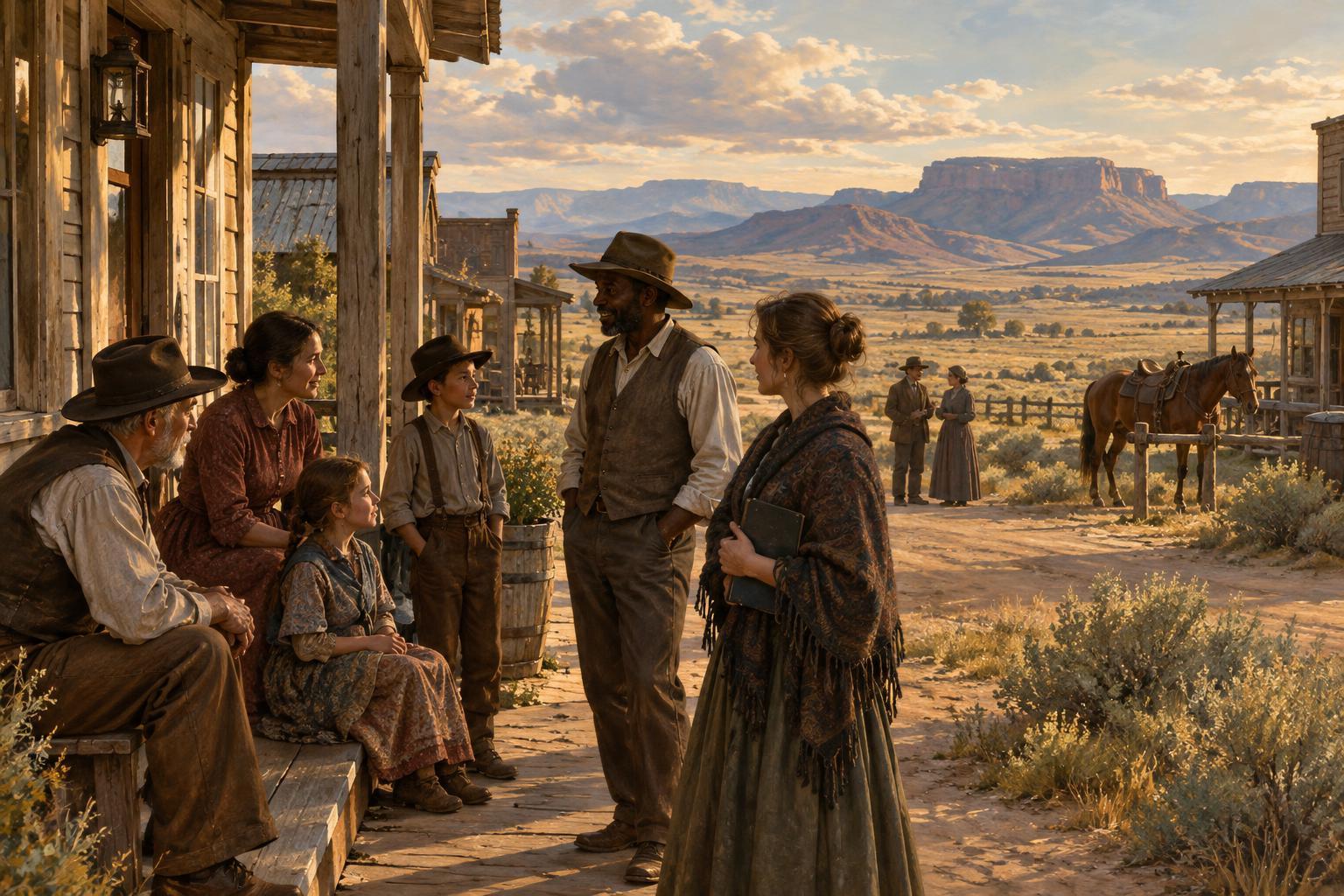
Literary GenresWestern fiction is often reduced to horses, gunfights and lone heroes. Its settings and conflicts can also make room for families, towns, competing ideas of belonging and the consequences of change. Here is a guide to the genre’s familiar conventions, its common misconceptions and a few useful questions to bring to a book discussion.
Read article · 4 min↗

Literary GenresDystopian and post-apocalyptic stories can share ruined streets, scarce supplies and uncertain futures. The difference lies in the pressure at the center of the story: an oppressive social order or life after a devastating rupture. Learn how to recognize each form and where they overlap.
Read article · 4 min↗

Literary GenresA talking river can appear in either magical realism or fantasy. The distinction often lies in how the story treats the impossible, what kind of world it builds, and what it asks readers to notice. Here is a practical way to discuss both forms without turning their labels into rigid rules.
Read article · 4 min↗
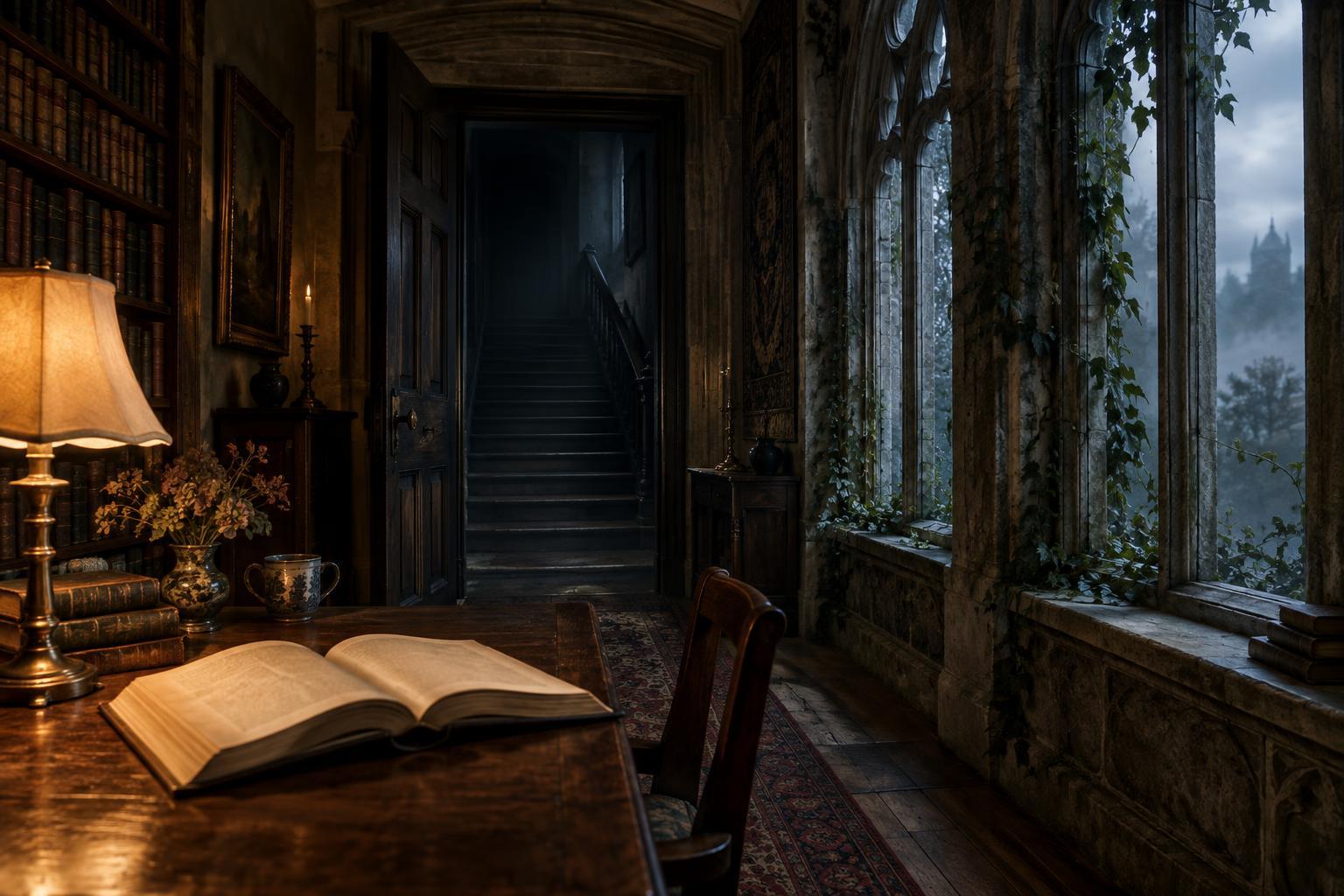
Literary GenresHorror and Gothic fiction can both make a familiar place feel unsafe, but they do not always use fear in the same way. This guide compares their typical approaches to danger, atmosphere, setting, and character, with questions readers can use to explore stories that cross the boundary.
Read article · 4 min↗

Literary GenresA romance novel can be funny, suspenseful, historical, or quiet. What makes it a romance is not a particular setting or level of heat, but the way a central love story shapes the book and leads to an emotionally satisfying, optimistic ending.
Read article · 4 min↗

Literary GenresHistorical fiction and history books may explore the same era, but they make different promises to readers. Learn how to spot invention, evaluate historical claims and enjoy both forms on their own terms.
Read article · 4 min↗

Literary GenresEpic fantasy and urban fantasy both invite readers into worlds shaped by magic, but they often build those worlds from different starting points. Learn how setting, scale, character, and everyday detail shape each reading experience—and why the boundary between the genres is flexible.
Read article · 4 min↗
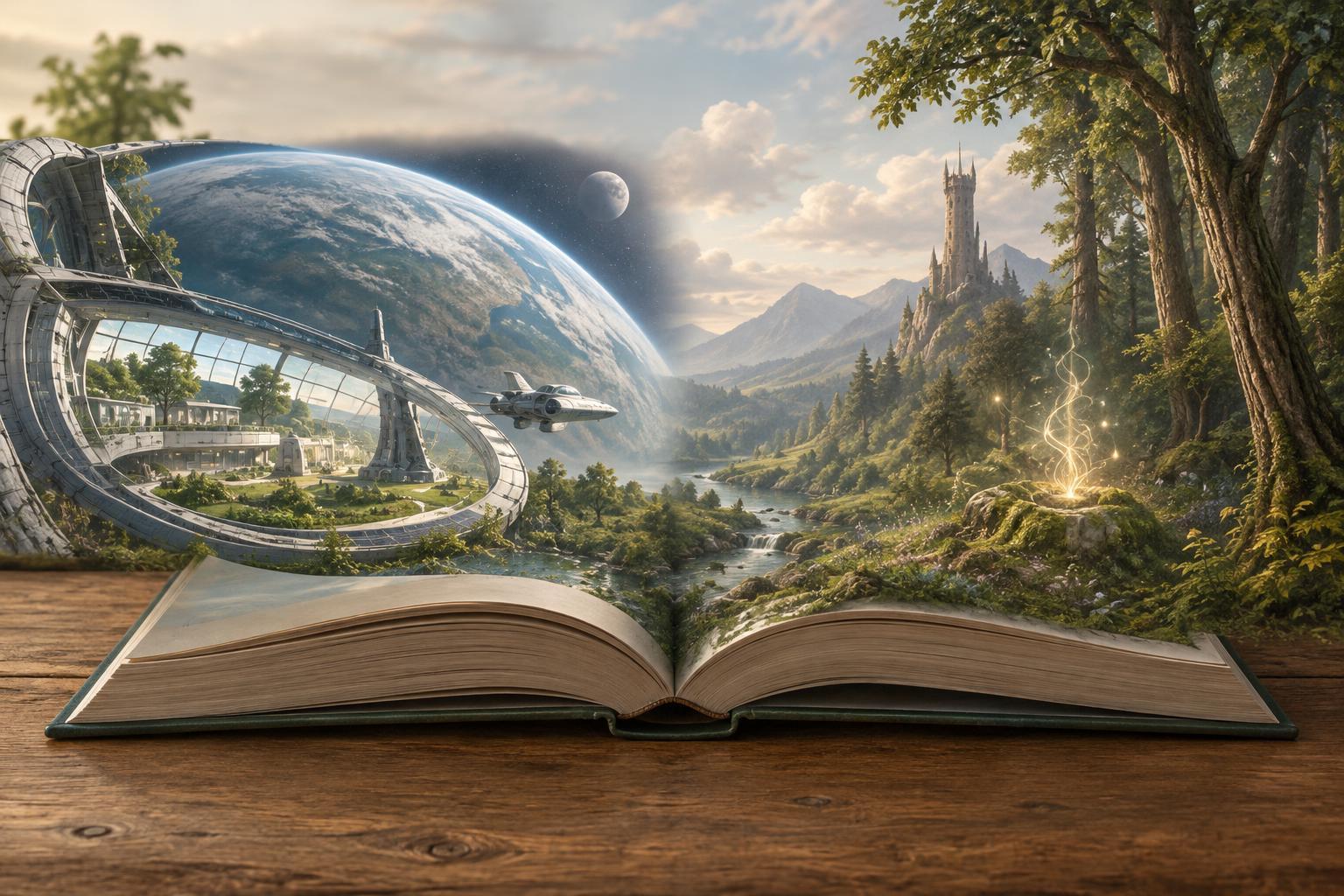
Literary GenresSpaceships and dragons are easy clues, but they do not tell the whole story. A more useful way to distinguish science fiction from fantasy is to ask what makes the story’s world possible, what its characters take for granted, and which questions the imagined setting invites readers to explore.
Read article · 4 min↗
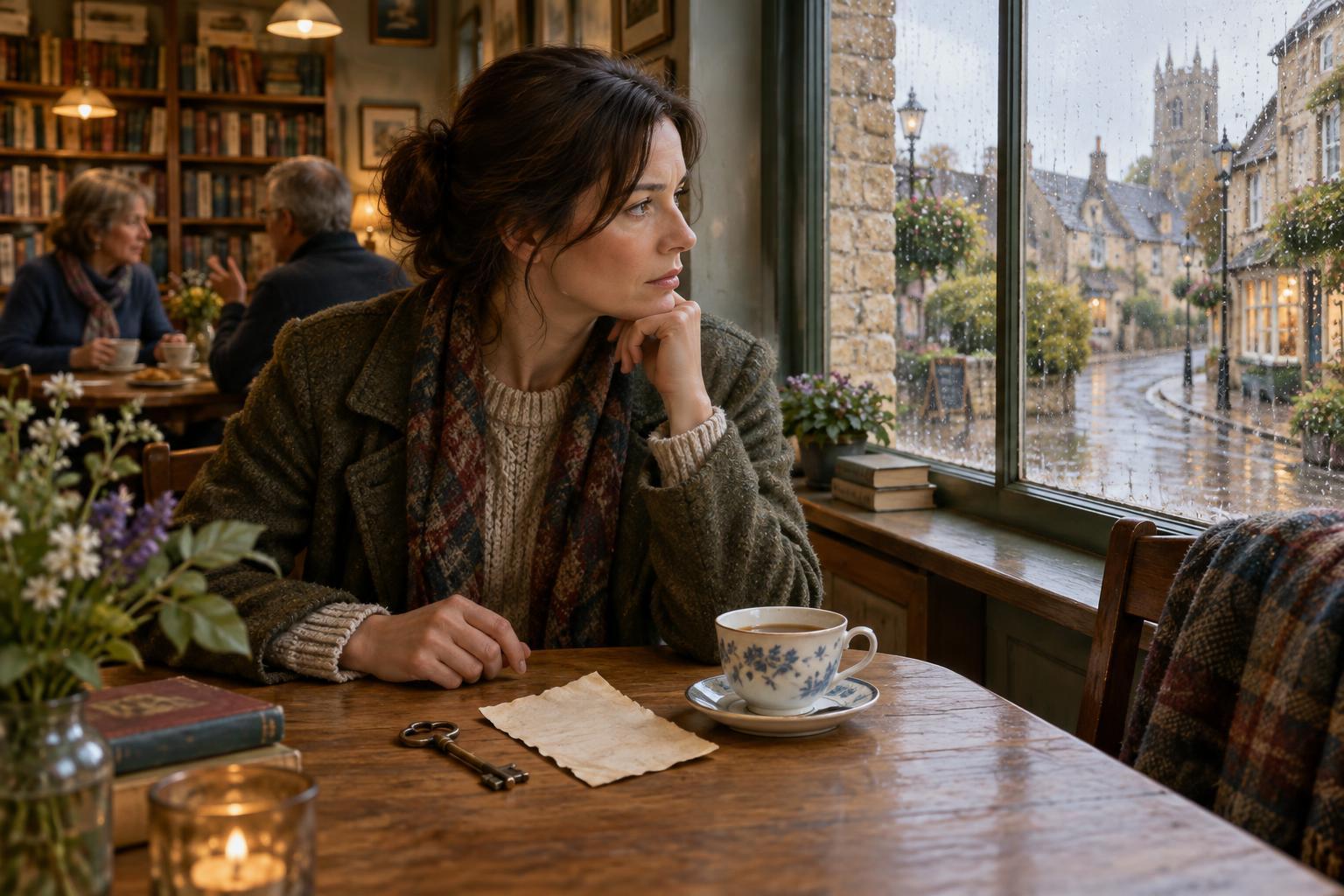
Literary GenresCozy mysteries can contain serious crimes, but they tend to keep the reader’s attention on clues, relationships and a close-knit setting rather than graphic violence. Here is how to recognize the genre, where its boundaries blur and what to look for when choosing your next read.
Read article · 4 min↗
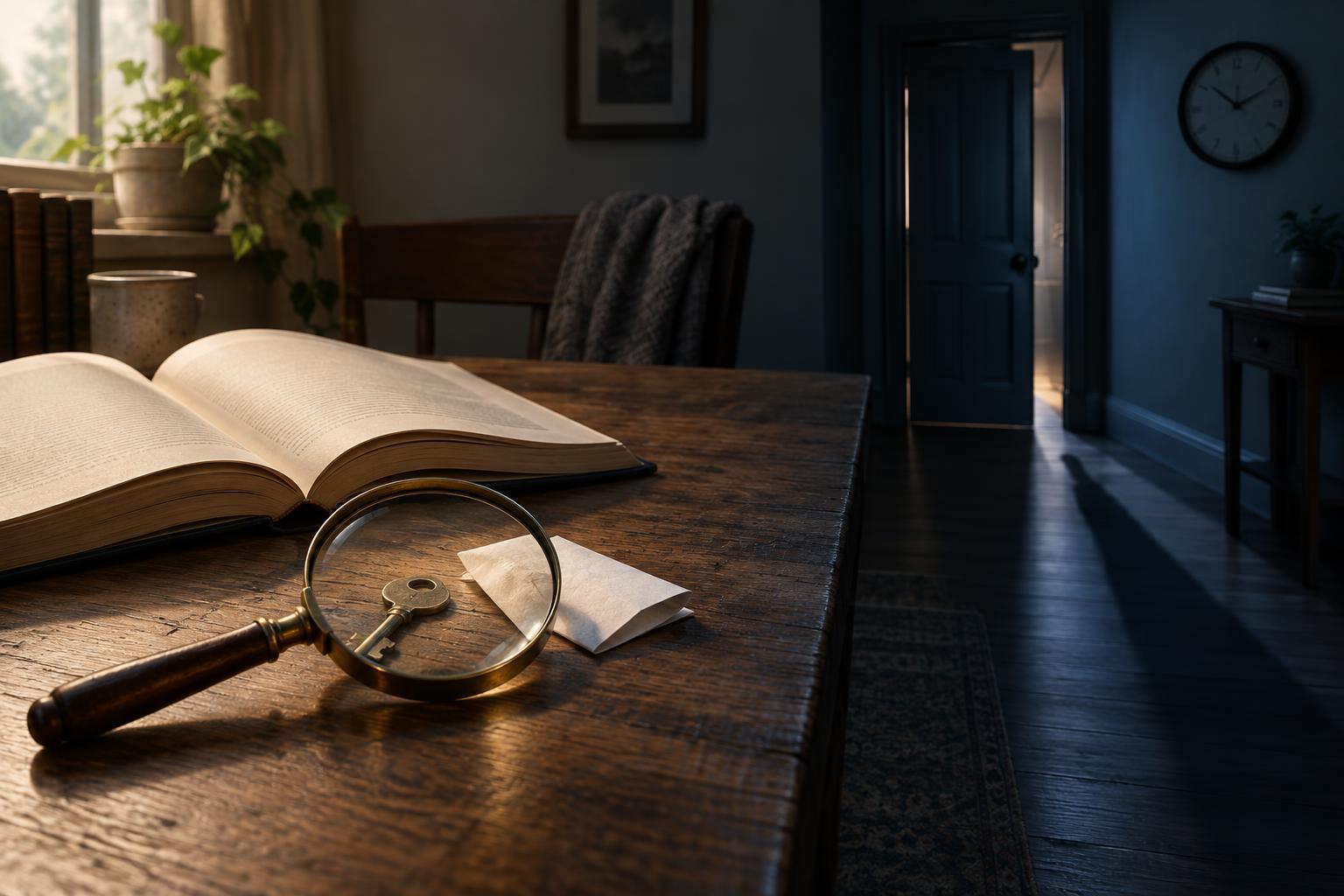
Literary GenresMysteries and thrillers can both keep readers turning pages, but they often create suspense through different questions. Explore how clues, threats, pacing and reader knowledge shape each kind of story.
Read article · 4 min↗

Literary GenresLiterary fiction and genre fiction are often presented as opposites, but the labels describe different reading expectations more than different levels of quality. Here is a practical way to use them when choosing, discussing, and enjoying books.
Read article · 4 min↗

Literary GenresA book can be a mystery, a novel, and a work written for teens at the same time. Those labels answer different questions. Learn how genre, form, and audience can help you choose and discuss books without treating any label as the whole story.
Read article · 4 min↗
Creative WritingA good title gives readers a useful first impression without trying to tell the whole story. Learn how to find possibilities in your draft, choose the right level of specificity, and test a title against the work it introduces.
Read article · 4 min↗
Creative WritingThe middle of a draft can feel like a long stretch between a promising beginning and an ending you cannot quite see. Instead of forcing the next perfect sentence, try identifying what has changed, choosing a smaller writing task, and leaving yourself a clear path back into the work.
Read article · 4 min↗

Creative WritingCreative nonfiction draws strength from lived experience, but a true story can affect people who never chose to tell it. Learn how to examine your purpose, protect private details, handle uncertain memories and invite input without surrendering your own perspective.
Read article · 4 min↗

Creative WritingA personal essay needs more than a sequence of events. Learn how to find a question, choose revealing scenes, and shape reflection without forcing a tidy lesson.
Read article · 4 min↗

Creative WritingA photograph, a familiar room or a brief moment outdoors can give a poem its starting point. Learn how to choose a detail, turn observation into lines and revise without losing what first caught your attention.
Read article · 4 min↗
Creative WritingFlash fiction and short stories both make room for memorable characters and change, but they ask writers to make different choices about scope, pacing and detail. Learn how to shape an idea for each form and revise with its particular strengths in mind.
Read article · 4 min↗

Creative WritingThoughtful feedback can help a writer see what is reaching the reader and what needs another pass. Learn how to ask for useful responses, comment with care, and turn notes into a revision plan without losing your own voice.
Read article · 4 min↗
Creative WritingA first draft may contain sentences worth keeping, but polishing them too early can distract from larger questions. This guide offers a practical sequence for revising a draft’s purpose, structure, scenes, and gaps before turning to word-level edits.
Read article · 4 min↗

Creative WritingExposition gives readers the context they need, but too much at once can stall a story. Learn how to spot common problems with backstory, explanation, dialogue, and withheld information—and revise each one without losing clarity.
Read article · 4 min↗
Creative WritingA satisfying ending does not have to be happy or surprising. It needs to grow from the choices, questions, and details the story has already given the reader. Here is a practical way to draft and revise one.
Read article · 4 min↗

Creative WritingA strong opening gives readers enough to care about the next moment without handing them the whole backstory. Learn how to choose a useful starting point, ground the scene, and reveal context as it becomes relevant.
Read article · 4 min↗

Creative WritingA memorable setting does more than name a place. It gives readers a few well-chosen details to notice, connects those details to a character’s experience, and lets the surroundings change as the scene unfolds.
Read article · 4 min↗
Creative WritingConvincing dialogue is not a transcript of real speech. Learn how to give each exchange a purpose, let characters speak from their own concerns, use pauses and actions, and revise conversations that stall.
Read article · 4 min↗

Creative WritingA story does not need to show every moment at the same pace. Learn how to use scenes for meaningful change, summary for necessary transitions, and a blend of both to keep readers oriented and engaged.
Read article · 4 min↗
Creative WritingA story’s tense affects more than the verbs on the page. Past and present tense can change how close readers feel to an event, what they expect the narrator to know, and how smoothly a story moves through time. Here is a practical way to choose between them and revise with intention.
Read article · 4 min↗

Creative WritingPoint of view shapes what readers know, whose voice they hear, and how close they feel to a character. Learn when first person, third-person limited, or third-person omniscient might serve your story—and try a short exercise before you commit.
Read article · 4 min↗
Creative WritingA short story does not need an elaborate outline. Give a character a specific want, place something in the way, and follow the choices that lead to an ending. This practical guide shows how to build that shape without making the story feel predictable.
Read article · 4 min↗

Creative WritingA character becomes easier to follow when readers understand what they are trying to do and why it is difficult. Learn how to shape a specific want, choose an obstacle that creates meaningful choices, and test both through scenes.
Read article · 4 min↗

Creative WritingA writing prompt can give you a starting point, but it does not have to dictate the whole story. Learn how to choose a small idea, give it a character and a question, write a first scene, and make a simple plan for what comes next.
Read article · 4 min↗

Creative WritingA writing practice does not require an empty afternoon. Learn how to choose a small, repeatable session, find ideas in ordinary life, and keep going without turning every draft into a test.
Read article · 4 min↗

Book Club IdeasWhen a book club feels predictable, it may need a small change rather than a complete restart. Try a candid check-in, a lighter reading plan, fresh discussion questions, and a few experiments the group can evaluate together.
Read article · 4 min↗

Book Club IdeasA book club schedule should make it easier to gather, not harder to keep up. Learn how to set a workable meeting rhythm, choose dates fairly, communicate details clearly, and make room for members who cannot attend every time.
Read article · 4 min↗
Book Club IdeasA book club can share the work without asking every member to do the same job. Learn how rotating hosts and rotating facilitators differ, when each approach works well, and how to set expectations that keep meetings welcoming.
Read article · 4 min↗
Book Club IdeasA memoir can invite lively conversation about voice, memory and change, but its personal subject matter calls for care. Plan a meeting that gives readers room to discuss the writing without asking anyone to share private experiences.
Read article · 4 min↗

Book Club IdeasA book club can keep its conversations going even when schedules rarely align. Short stories give members a complete work to discuss between meetings, while a few simple choices make participation flexible and worthwhile.
Read article · 4 min↗

Book Club IdeasA poetry discussion does not require expert interpretation. With a few short poems, time to reread, and questions grounded in what is on the page, a book club can make room for curiosity, disagreement, and discovery.
Read article · 3 min↗

Book Club IdeasA nonfiction book club can do more than decide whether members agree with an author. By distinguishing the book’s central claim from the examples, accounts and reasoning used to support it, readers can have a more curious and productive conversation.
Read article · 4 min↗

Book Club IdeasA book club needs enough shared memory to begin, but not a scene-by-scene retelling. Use a brief recap, specific passages, open questions and a few gentle facilitation habits to make more room for interpretation.
Read article · 4 min↗

Book Club IdeasA book club’s meeting format shapes who can attend, how conversation flows, and how much planning each gathering requires. Compare in-person, online, and hybrid options, then try a simple test to find what works for your group.
Read article · 4 min↗

Book Club IdeasA book club does not need a shared favorite genre to have a good discussion. A few clear selection rules, room for different kinds of books, and a willingness to separate reading pleasure from discussion value can help a varied group choose its next read.
Read article · 4 min↗

Book Club IdeasA good book club choice is one members can reasonably get and finish. Use a simple availability check, allow enough time for holds, and make room for members who borrow, buy used, read digitally, or listen.
Read article · 3 min↗

Book Club IdeasAn unfinished book does not have to mean a cancelled meeting. A few ground rules can help a book club welcome readers at different stopping points while still making room for a satisfying conversation about the whole book.
Read article · 4 min↗

Book Club IdeasA lively book club does not need everyone to admire the same characters or agree on the ending. The key is to keep attention on the text, make room for different reading experiences, and know when to pause a conversation that has become personal.
Read article · 4 min↗

Book Club IdeasA book club does not need everyone to read at the same speed. Clear stopping points, predictable discussion rules and a welcoming way to pass on a question can help members talk freely without revealing more than others want to know.
Read article · 4 min↗

Book Club IdeasA welcoming book discussion leaves room for different ways of participating. Try gentler opening questions, brief pauses, optional ways to contribute, and a few simple habits that keep lively conversation from crowding anyone out.
Read article · 3 min↗

Book Club IdeasA facilitator can give a book club conversation direction, while a round-robin can make room for every voice. Learn how each format works, where it can fall short, and how to choose or combine them for your next meeting.
Read article · 4 min↗

Book Club IdeasThe best book club questions invite readers to explain what they noticed, test different interpretations, and connect details across a book. Learn how to turn a broad reaction into a focused question that gives everyone room to contribute.
Read article · 4 min↗

Book Club IdeasA book club meeting does not need a rigid script, but a few time markers can help everyone take part. This 90-minute agenda makes room for first impressions, deeper discussion, a closer look at the writing, and an unhurried finish.
Read article · 4 min↗

Book Club IdeasChoosing a book should give a club something to anticipate, not consume the whole meeting. A simple nomination window, shared criteria and a clear decision rule can keep the process fair while leaving more time to talk about reading.
Read article · 4 min↗
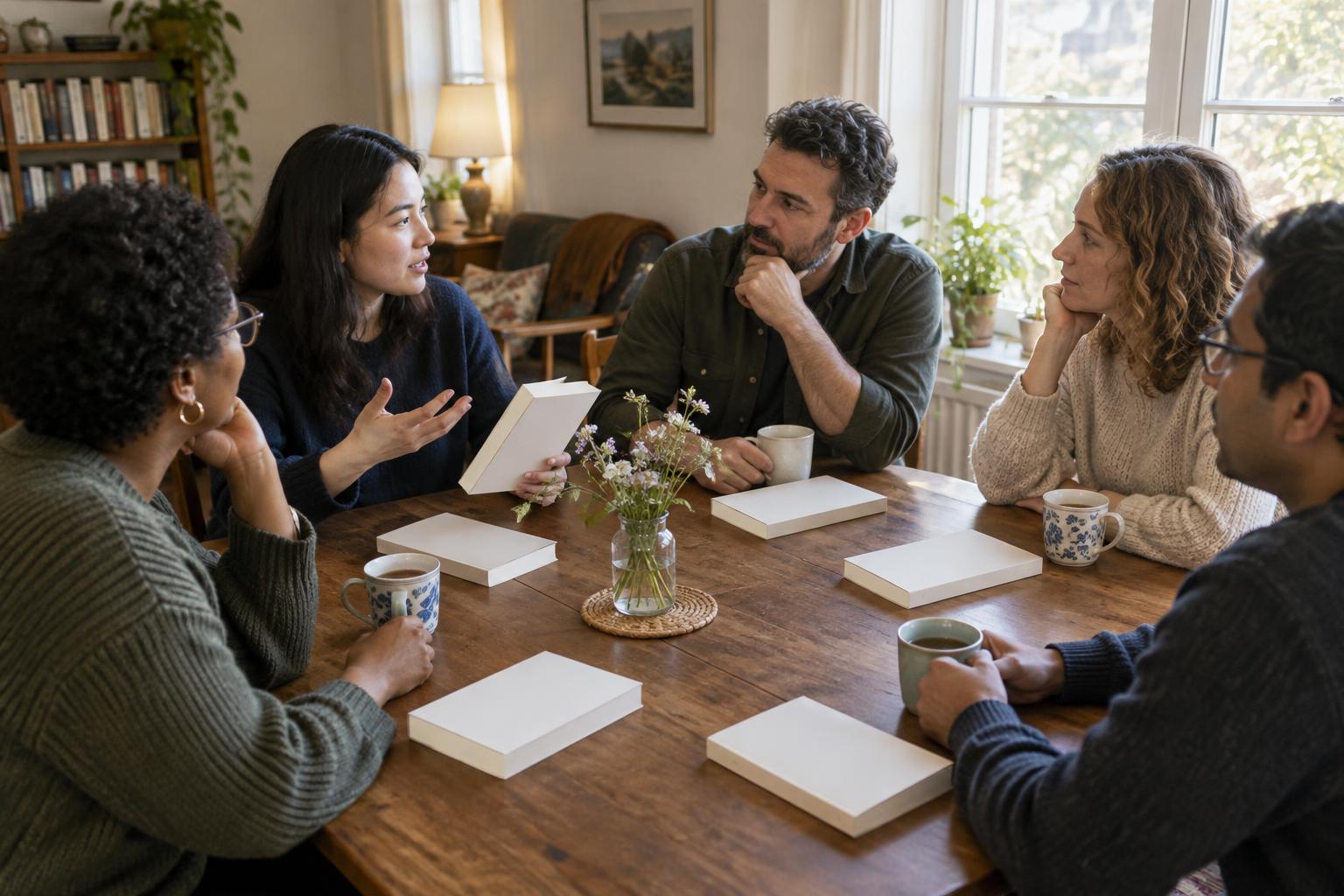
Book Club IdeasA book club works best when its members share a clear idea of what they want from it. Learn how to invite a manageable group, agree on a purpose, choose a first book, and plan a welcoming first discussion.
Read article · 4 min↗