
Regional StorytellingMeals in regional stories can reveal relationships, routines and change. Learn to read food scenes closely without treating a dish as a shortcut to understanding a whole community.
Read article · 3 min↗
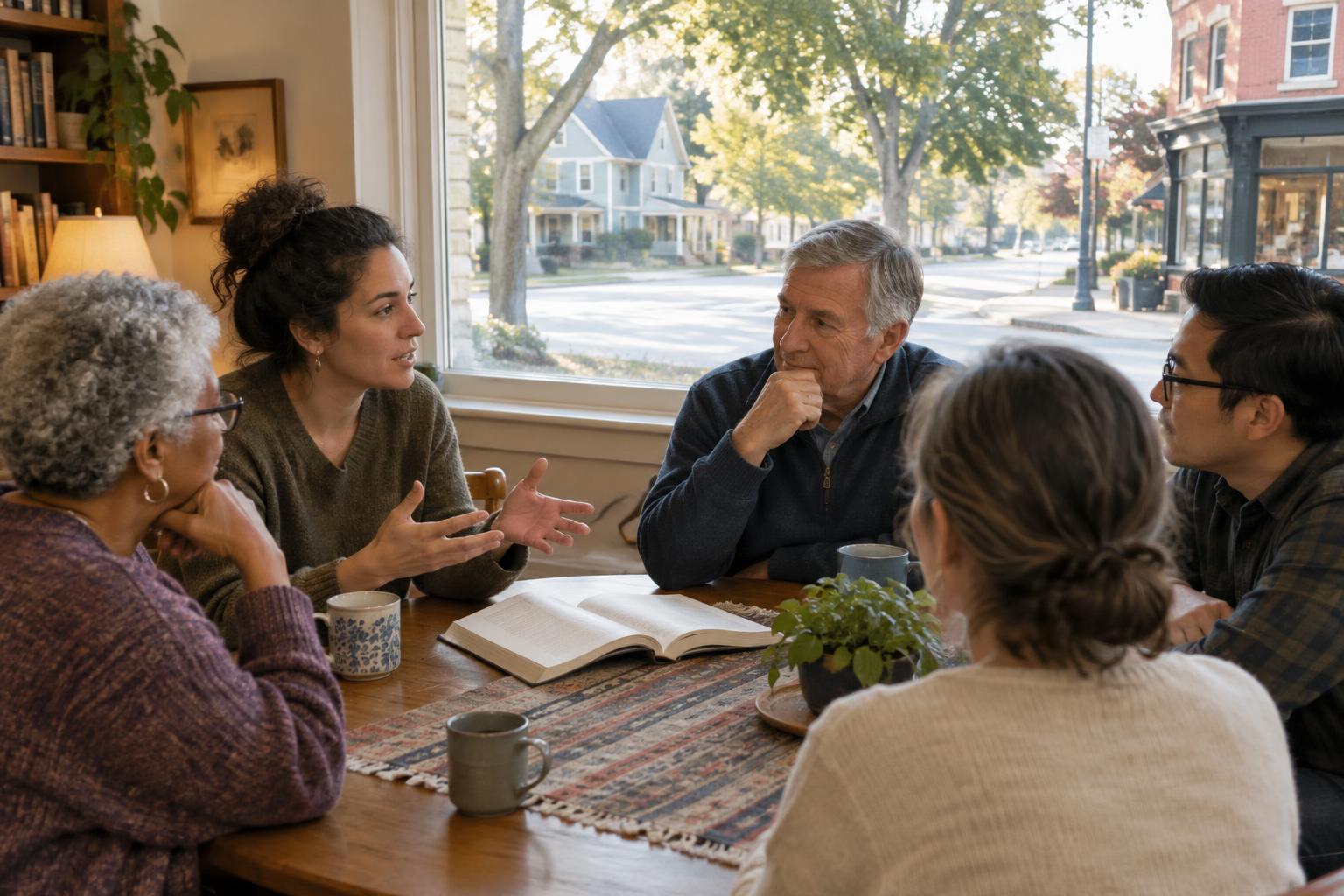
Regional StorytellingA regional story can bring a familiar place into focus while revealing how differently people know it. These approaches can help a reading group discuss the story, make room for contrasting memories, and avoid treating any one account as the whole history.
Read article · 4 min↗
Regional StorytellingA familiar setting can make a story feel personal, but recognition can also narrow a reader’s view. Learn how to notice local details without treating your memories as the final word on a fictional place.
Read article · 4 min↗
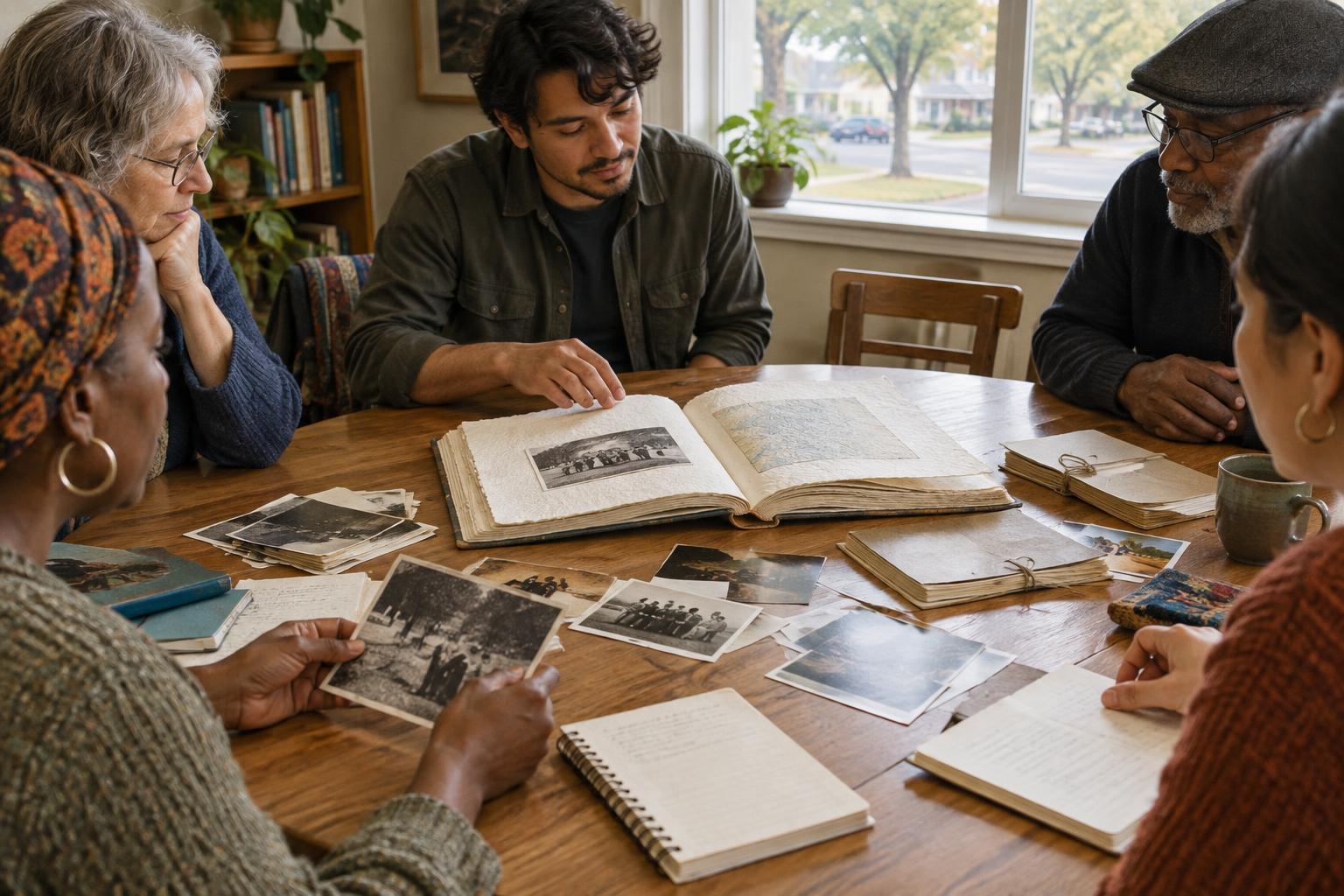
Regional StorytellingCommunity story collections bring together memories, interviews, essays and other accounts of a place or shared experience. Learn how to read them with attention to voice, context and the choices behind each collection.
Read article · 4 min↗
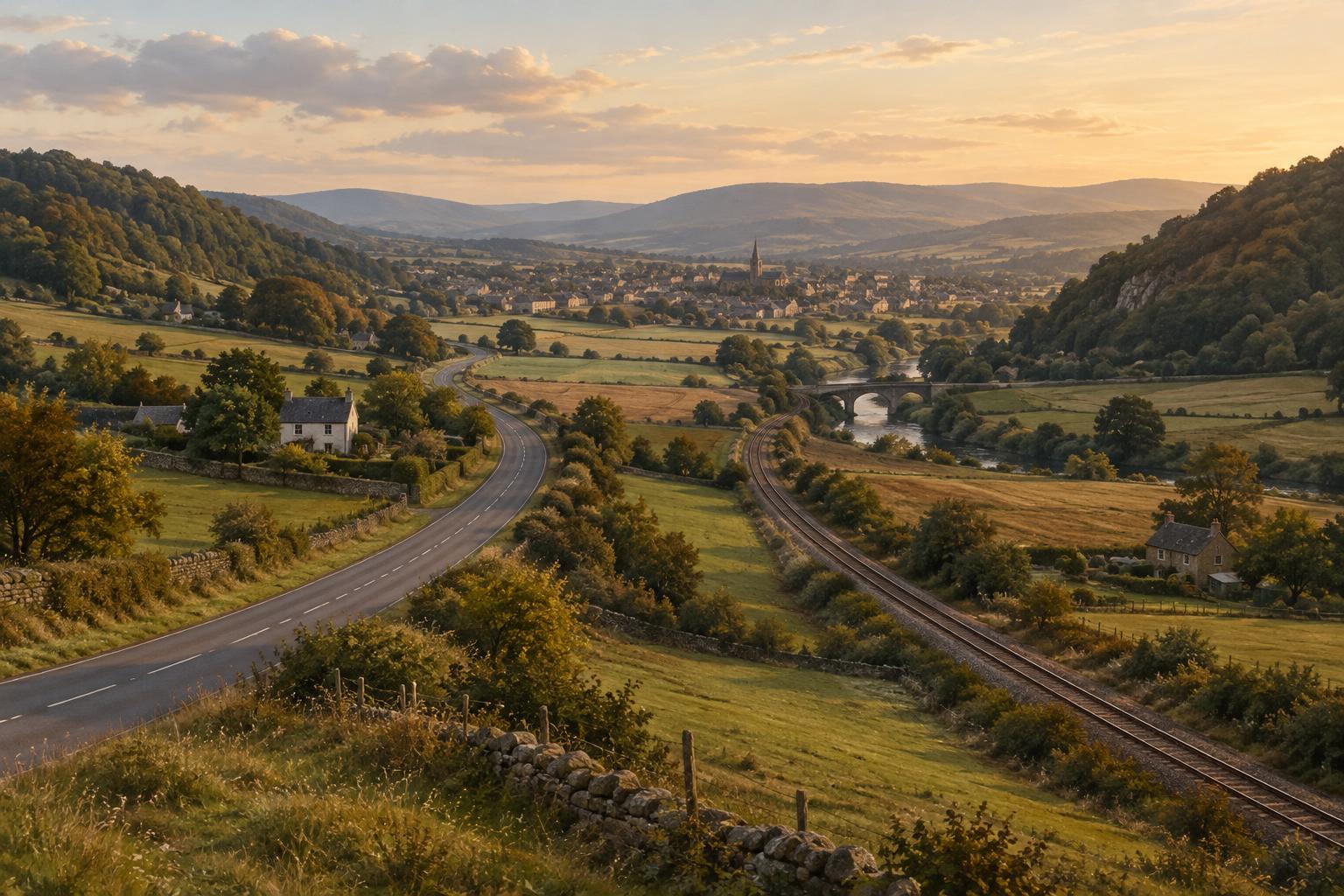
Regional StorytellingA road or railway does more than move characters from one place to another. In regional narratives, routes can reveal who belongs, who leaves, what a community remembers, and which places remain hard to reach.
Read article · 4 min↗
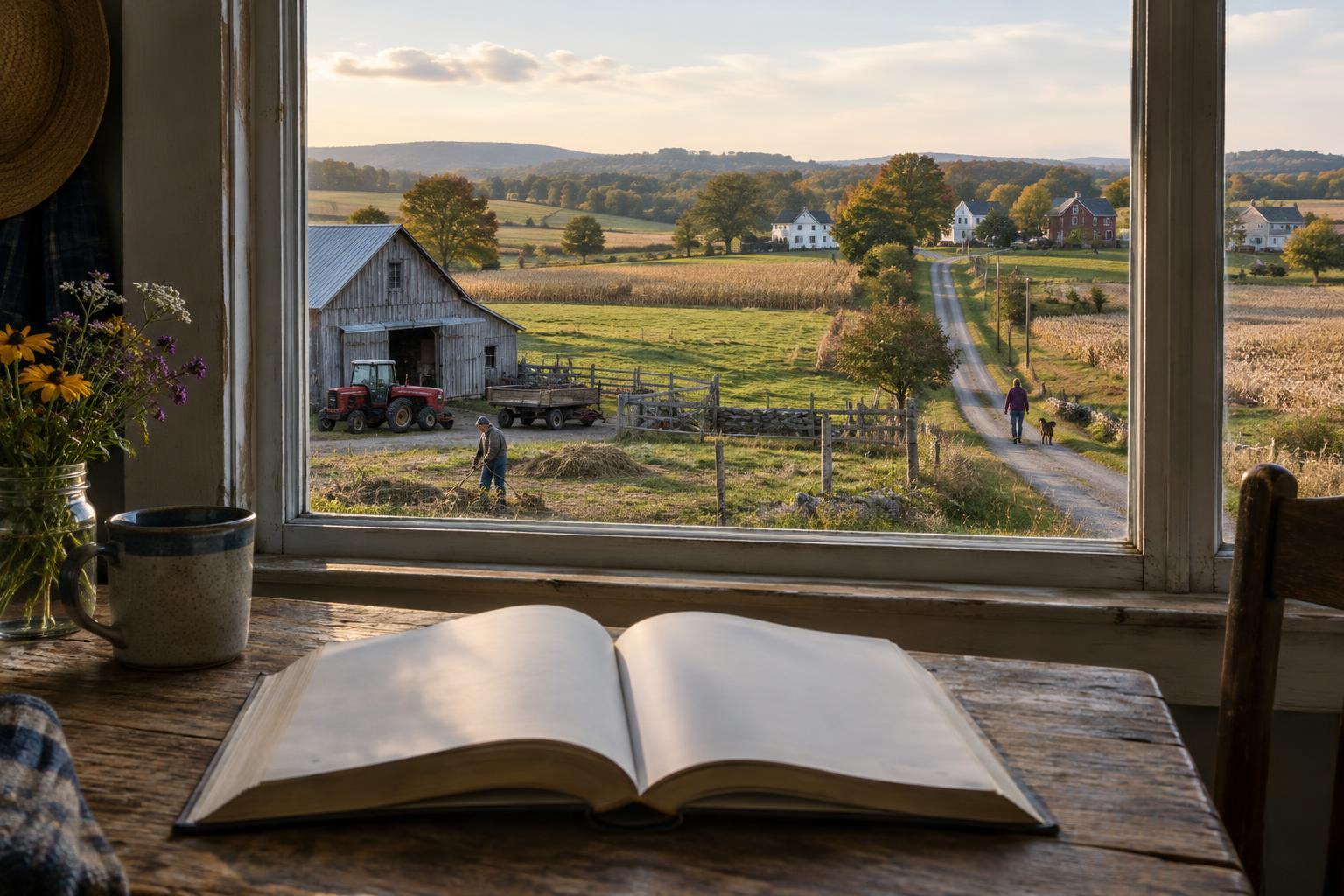
Regional StorytellingFarming stories can make a landscape feel familiar, but no single account can stand for every rural household or community. A more attentive reading asks who tells the story, what kind of work it portrays, and whose experiences remain outside the frame.
Read article · 4 min↗
Regional StorytellingStories of place can invite readers to pay closer attention to land, language, memory and community. A thoughtful approach begins by treating Indigenous writers as authors with distinct perspectives, not as guides to a region’s atmosphere.
Read article · 4 min↗
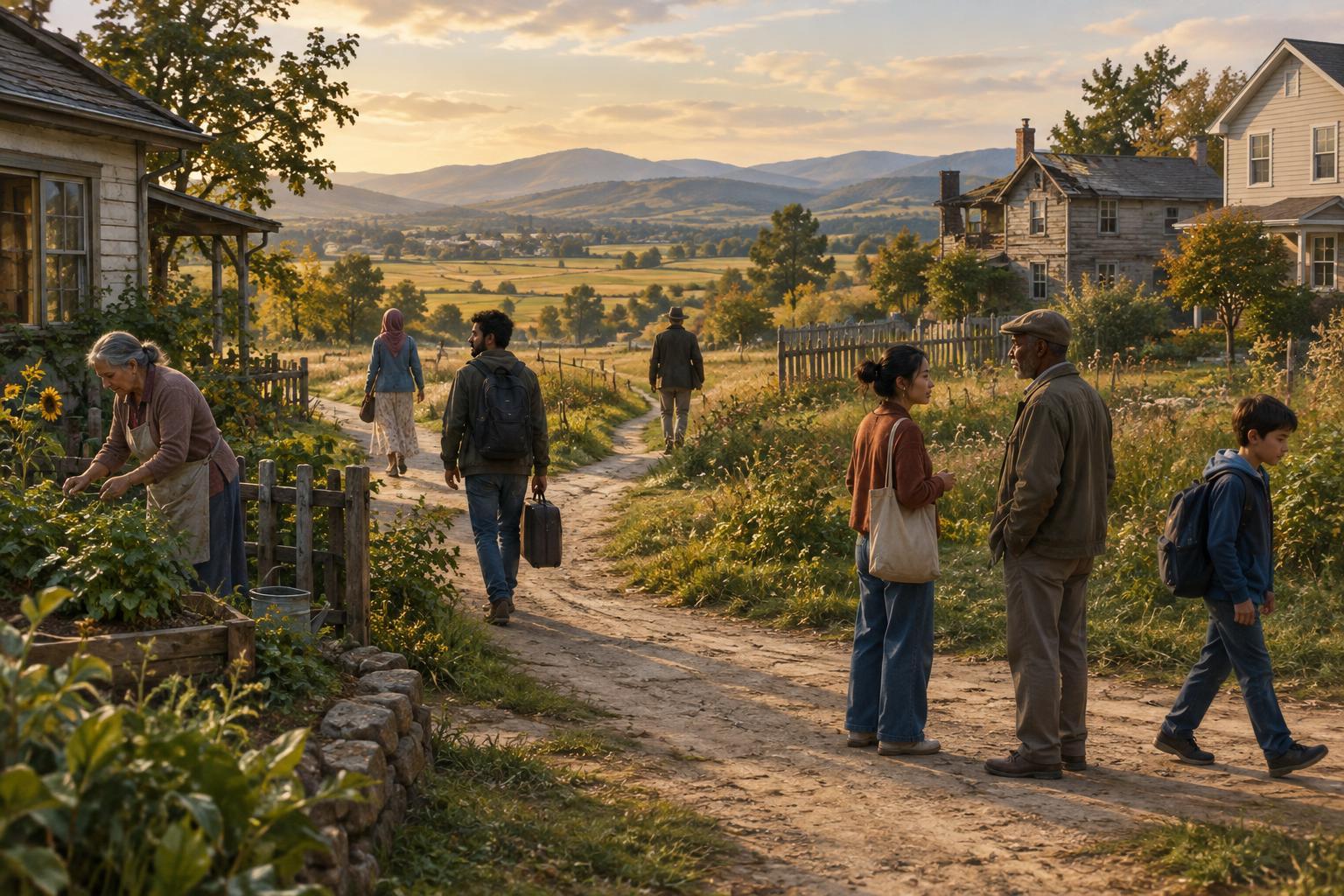
Regional StorytellingA region may be known for its landscape or familiar traditions, but the stories people tell about it rarely fit one definition of belonging. Migration narratives reveal how place is shaped by arrivals, departures, memories, and the people who were already there.
Read article · 4 min↗
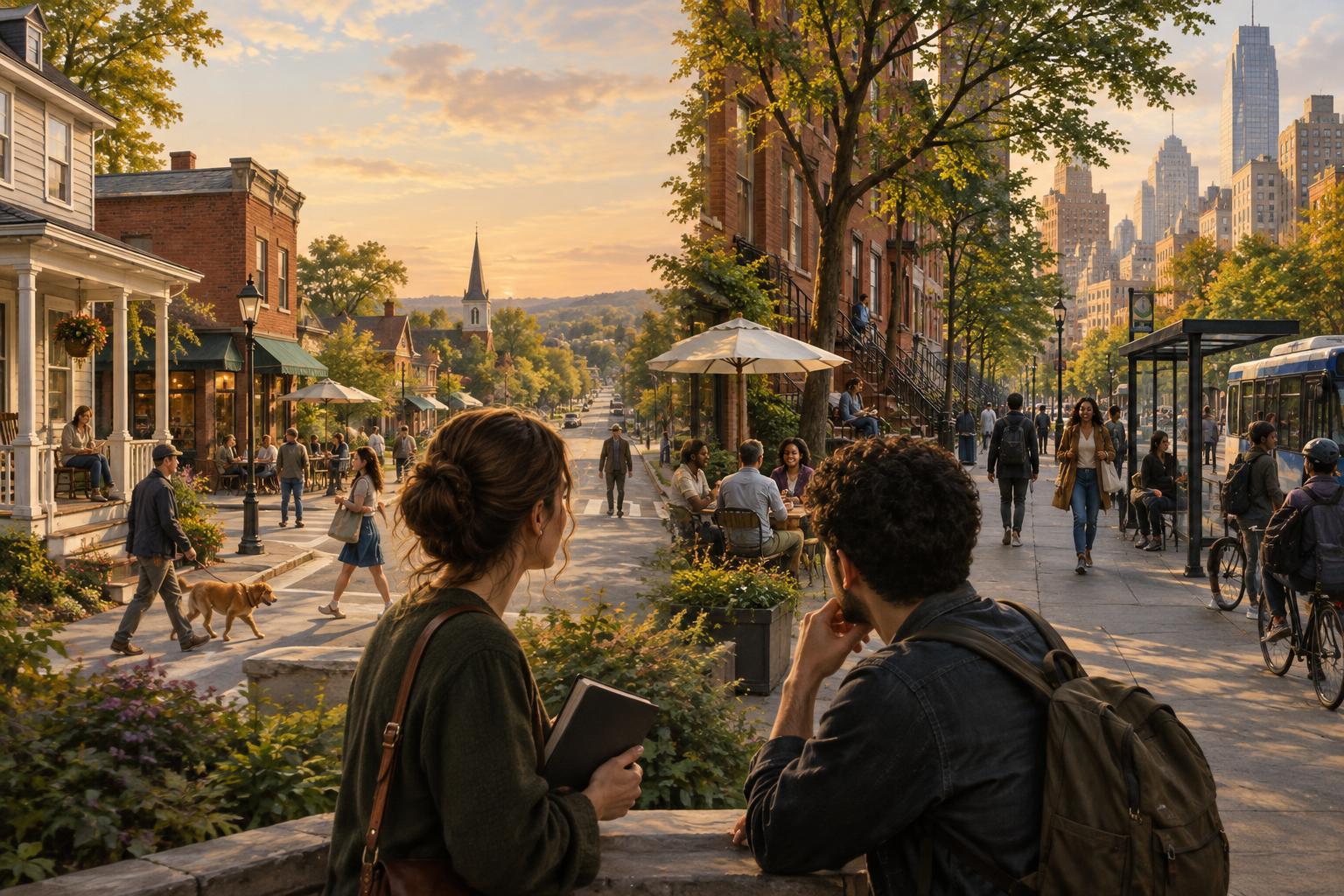
Regional StorytellingA story’s setting does more than provide scenery. The size and structure of a community can change what characters know, whom they encounter, and which choices feel possible. Here’s a way to compare small-town and city stories without reducing either place to a stereotype.
Read article · 4 min↗
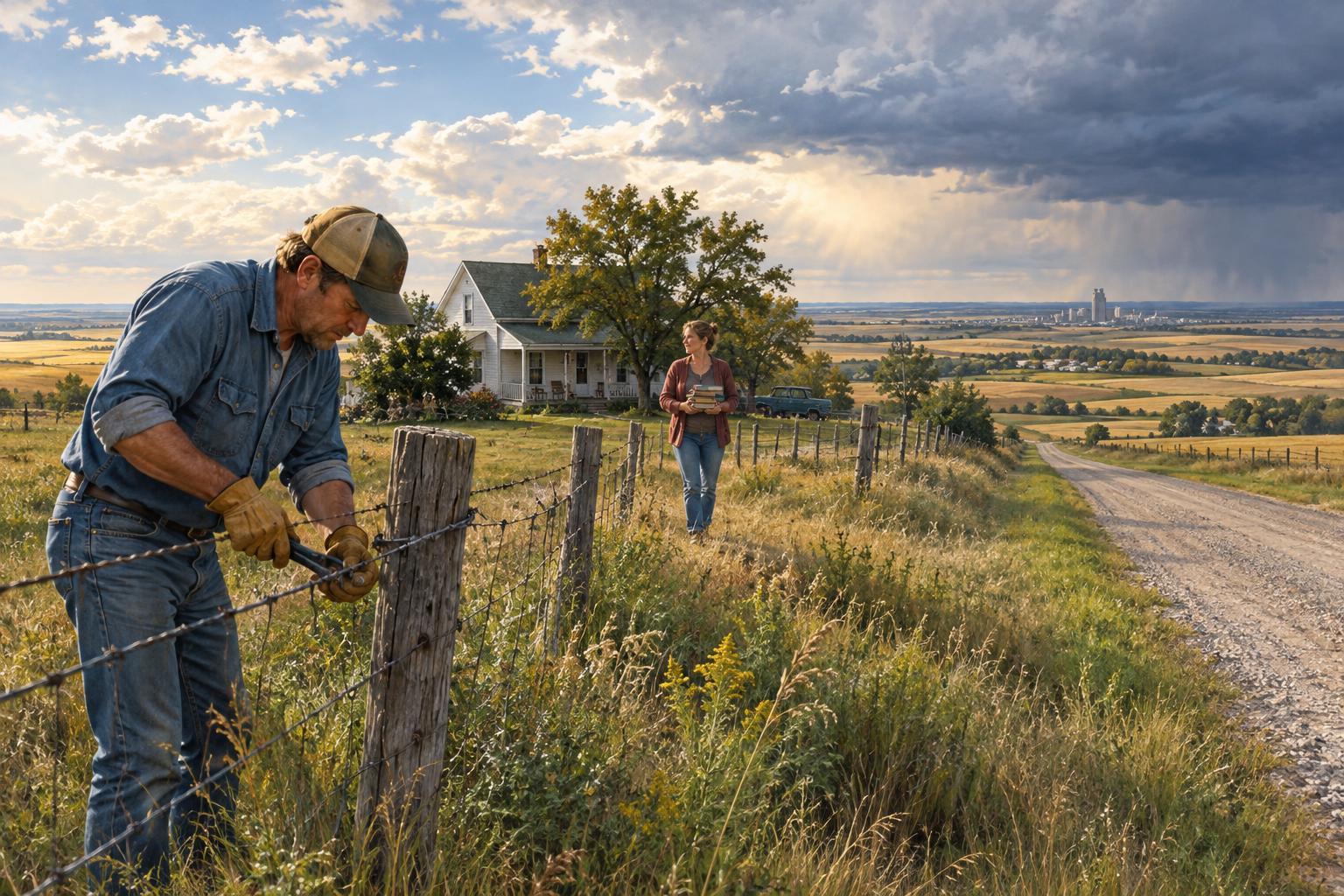
Regional StorytellingIn Great Plains stories, a road, a changing sky, or an ordinary task can reveal how characters understand home and one another. Here is a practical way to read those details without reducing a varied region to a single landscape or way of life.
Read article · 4 min↗
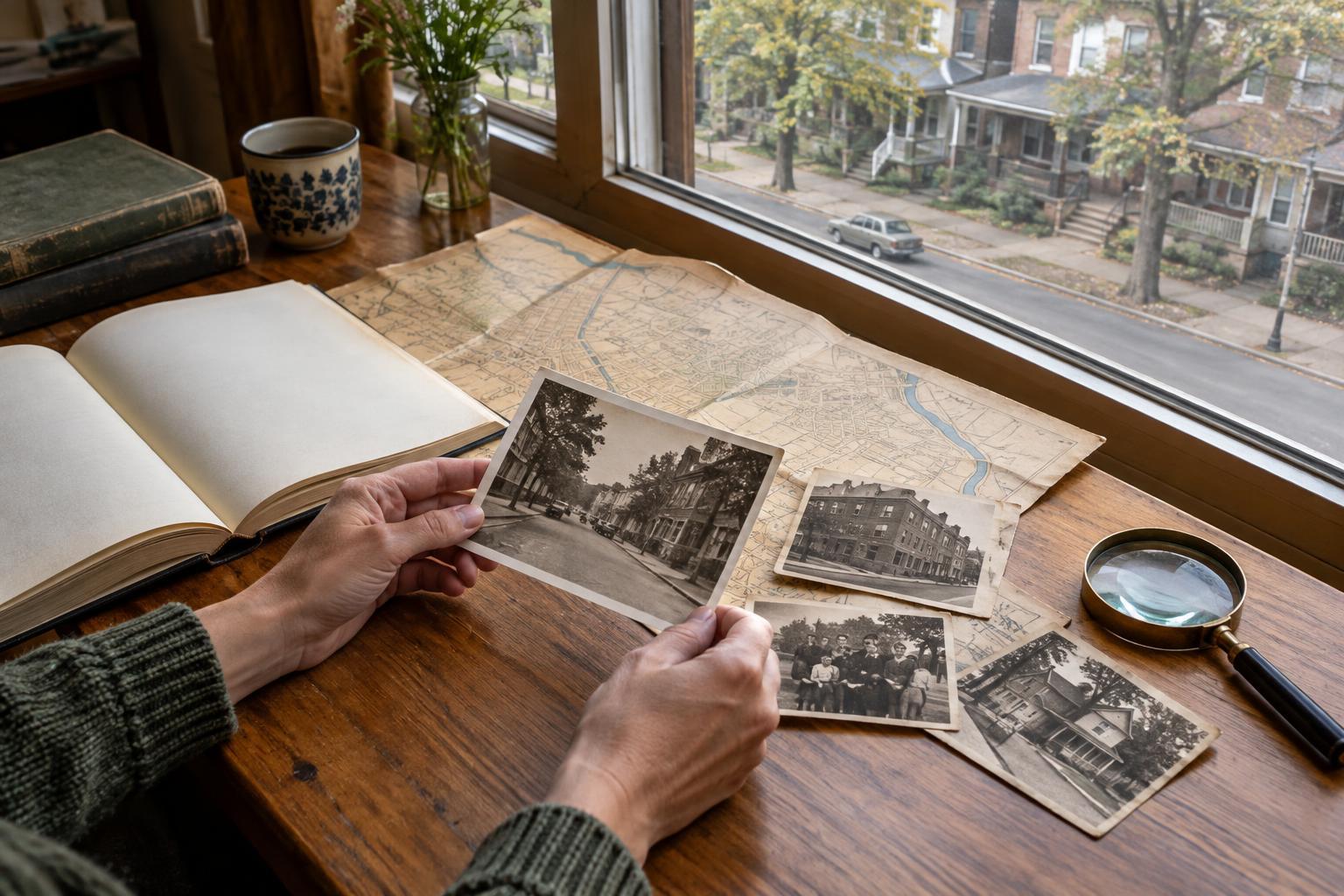
Regional StorytellingA story set close to home can make familiar streets, buildings and family memories feel different. Learn how to trace its historical setting through maps, newspapers, photographs and oral histories while keeping fiction and evidence distinct.
Read article · 4 min↗
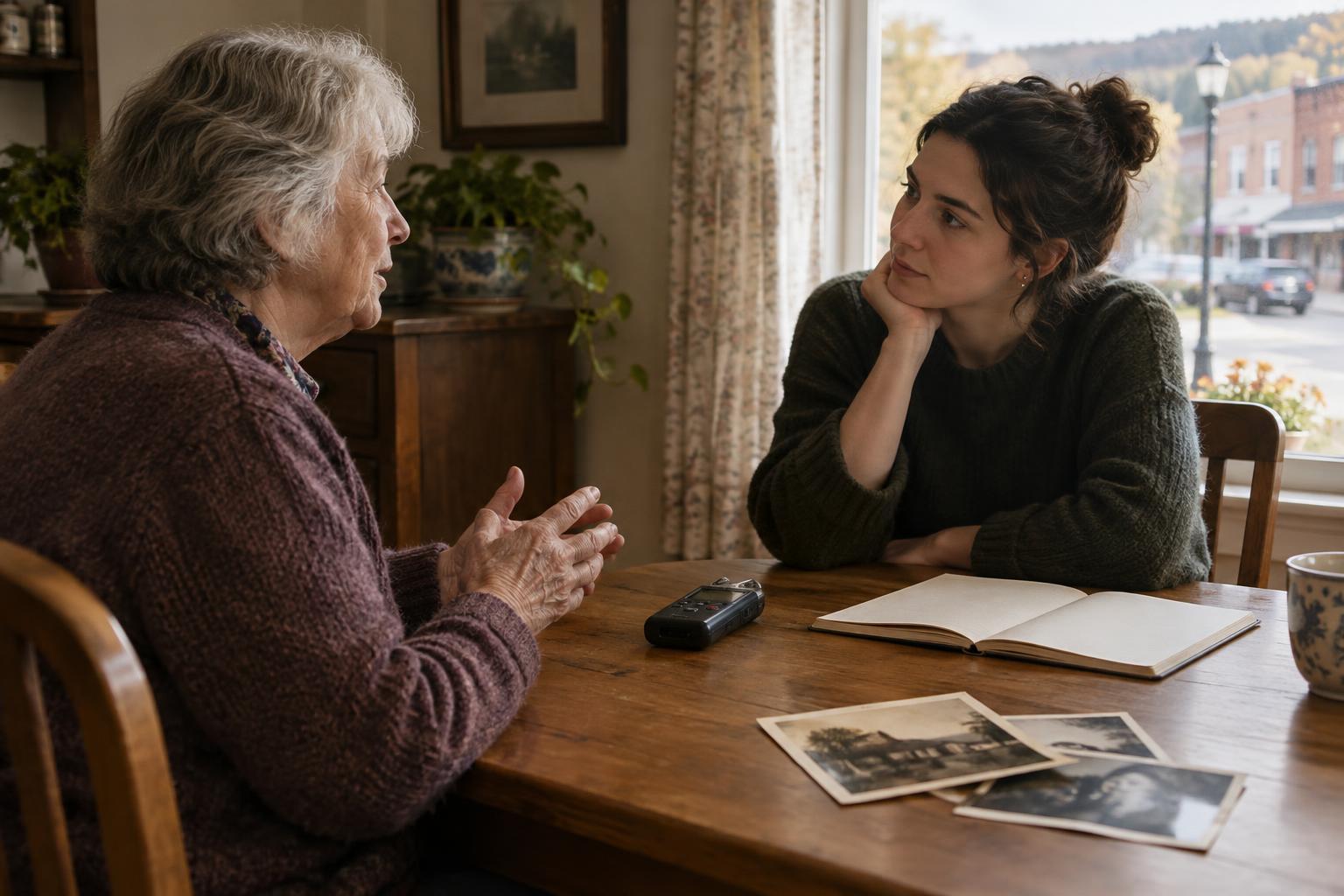
Regional StorytellingAn oral history interview offers a vivid account of how one person remembers a place or experience. Reading it well means listening for voice and detail while also noticing the questions, editing choices and gaps that shape the story.
Read article · 4 min↗
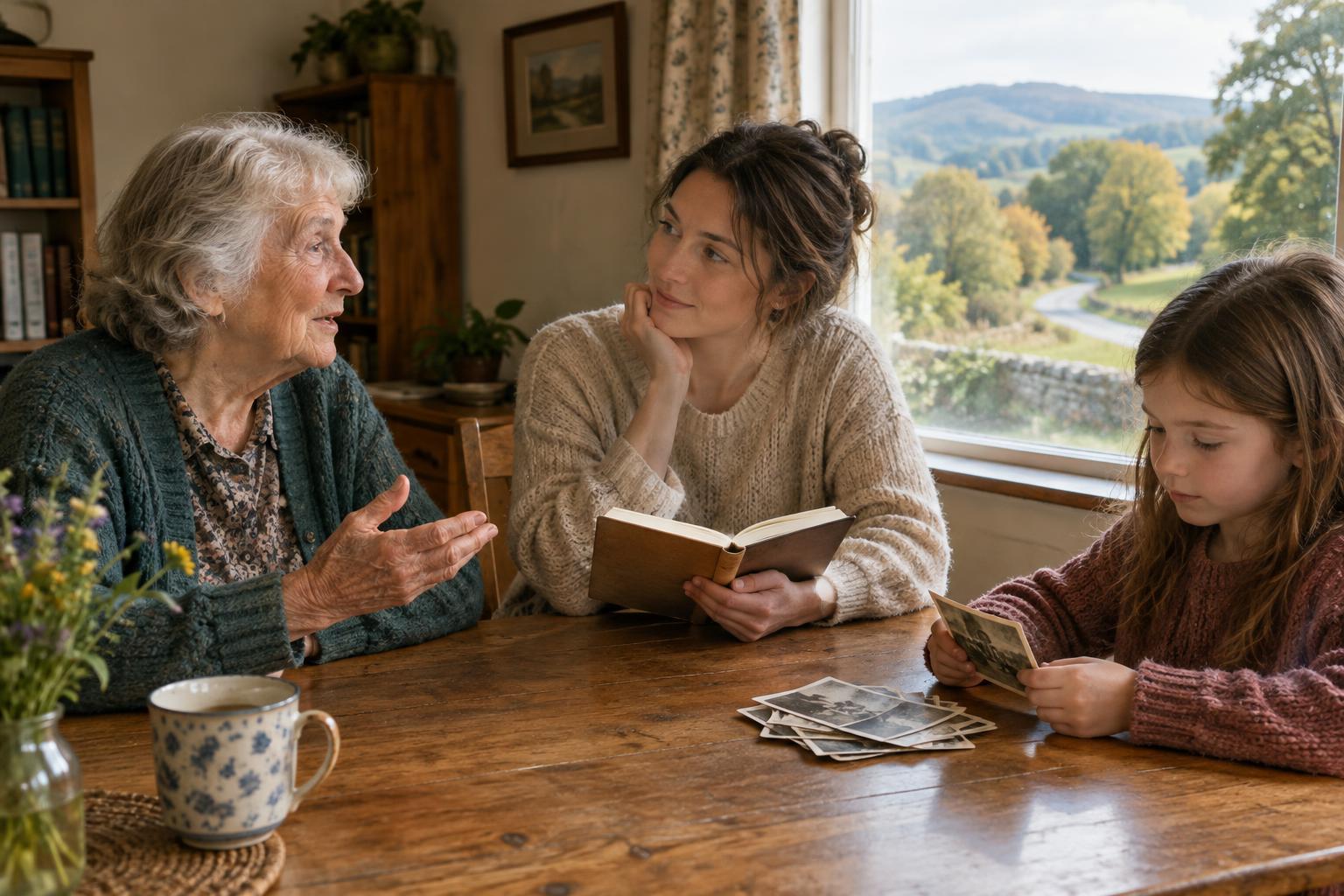
Regional StorytellingA family story can shift each time it is told. Those changes may reveal what different generations remember, value, or feel ready to discuss. Here are ways to listen closely, preserve multiple versions, and write about the places that shaped them.
Read article · 4 min↗
Regional StorytellingA Kansas story is never a view from everywhere at once. Learn to notice who is telling it, which places and people come into focus, and how to discuss what remains outside the frame without asking one work to speak for an entire region.
Read article · 4 min↗

Regional StorytellingRegional voice can shape a story through rhythm, vocabulary, and what characters choose to leave unsaid. Learn how to read dialect attentively without treating an accent as a shortcut to a person’s identity.
Read article · 4 min↗
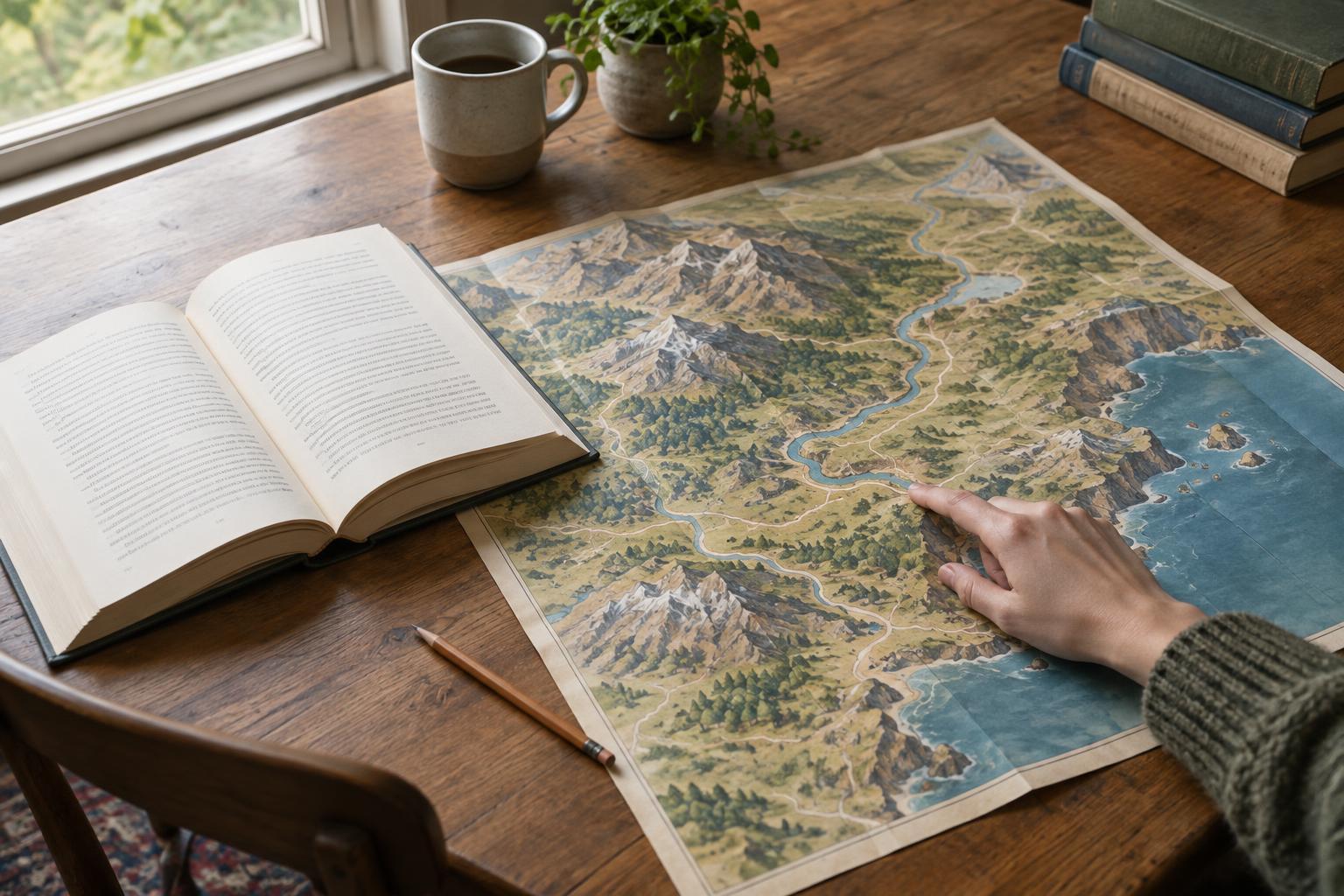
Regional StorytellingA map can make an unfamiliar setting easier to picture without turning a novel into a geography lesson. Learn how to trace a character’s route, notice the role of distance and terrain, and leave room for the places a writer has imagined.
Read article · 4 min↗
Regional StorytellingA regional legend can reveal how a community remembers a place, even when its details are hard to verify. Learn how to separate a tale’s versions from the historical record without dismissing either one.
Read article · 4 min↗
Regional StorytellingA place name can orient a reader, carry a character’s memories, or suggest a community’s history. It can also flatten a complicated place into a single label. Here are ways to read and write place names with greater attention to perspective, belonging, and what remains unnamed.
Read article · 4 min↗
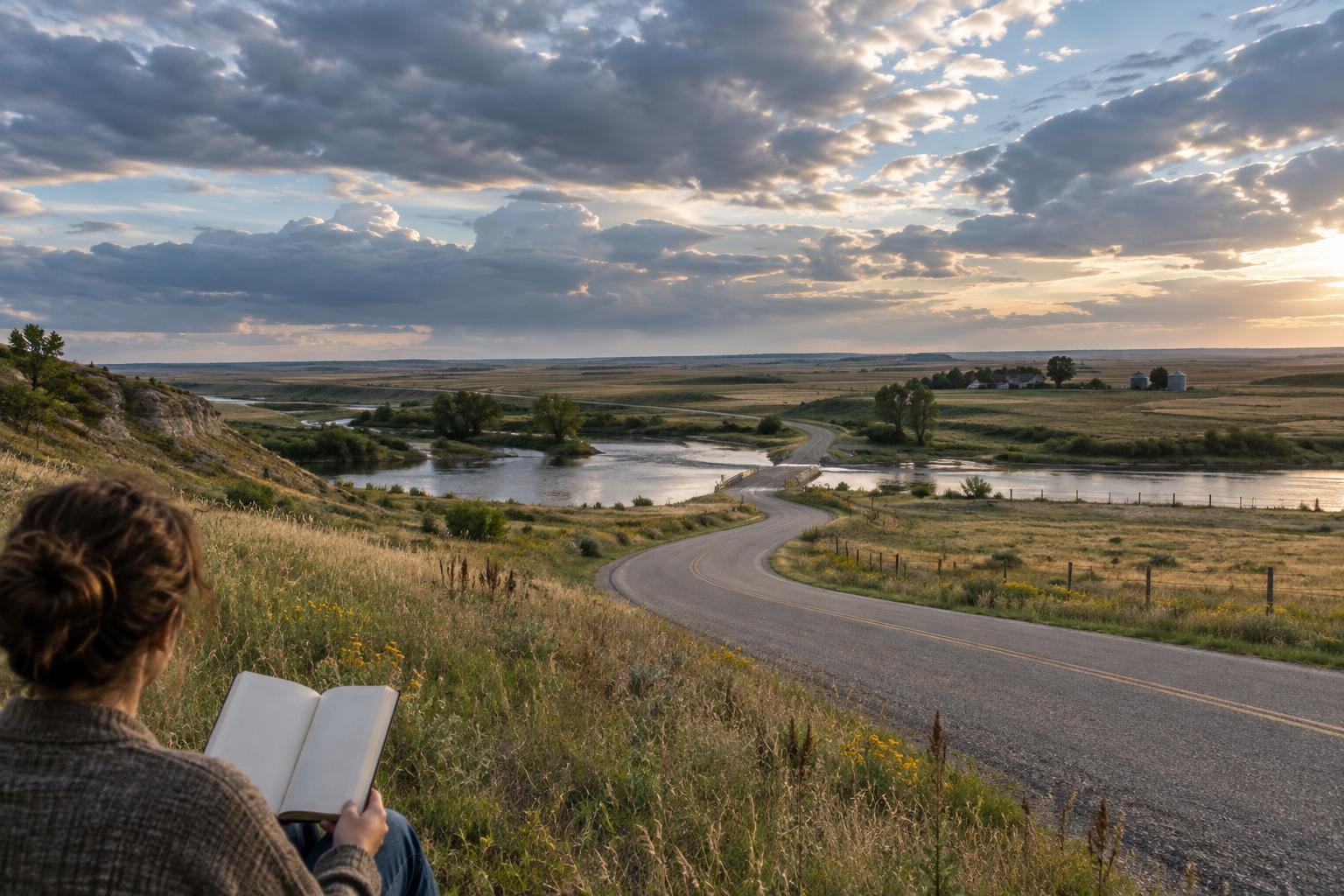
Regional StorytellingIn a Great Plains story, a road, river, field, or stretch of sky may do more than establish a setting. Learn to notice how place shapes movement, relationships, memory, and the choices characters can make—without assuming every story about the region means the same thing.
Read article · 4 min↗
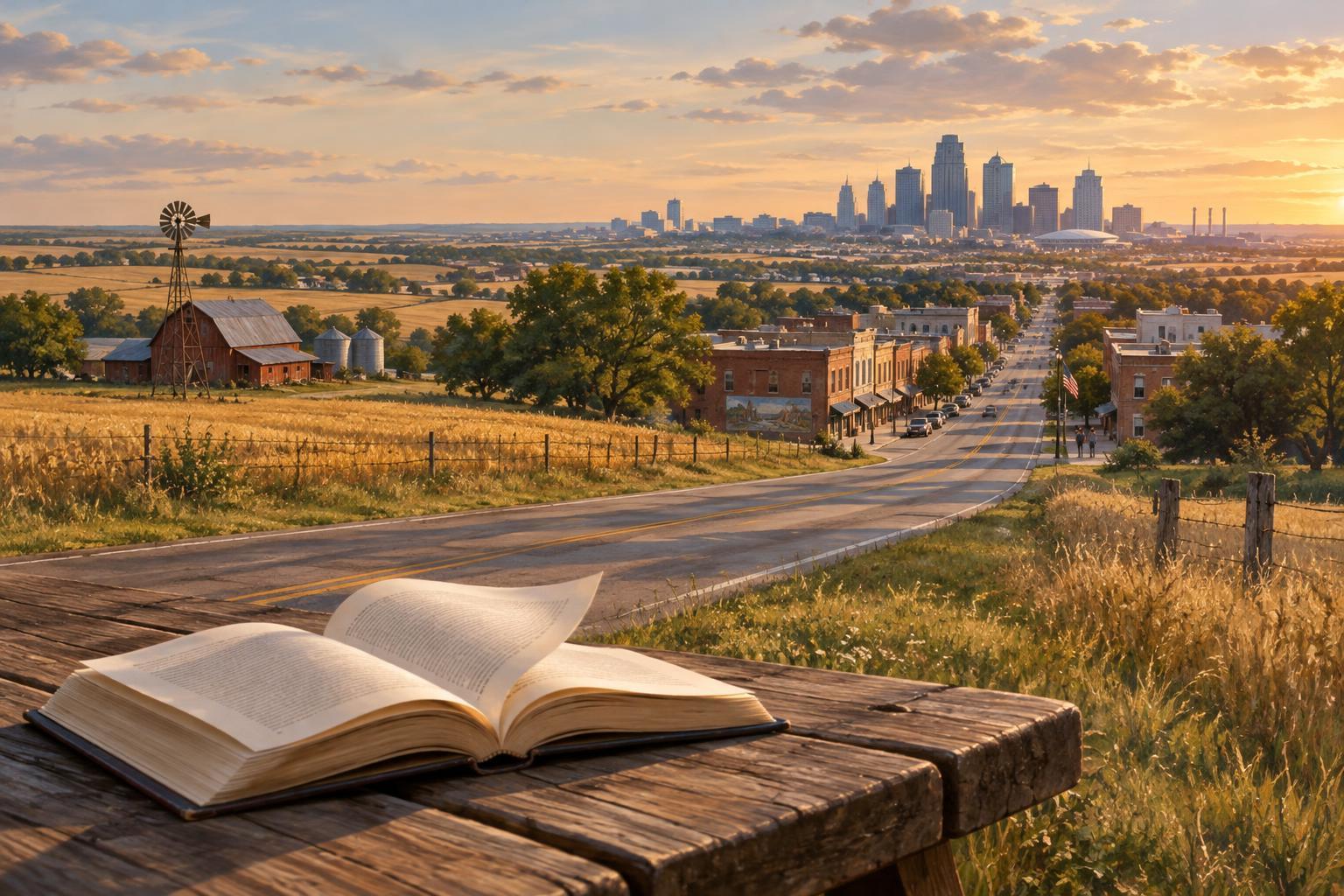
Regional StorytellingKansas stories unfold on city blocks, small-town main streets, farms, and the roads between them. A reading approach that looks beyond a simple urban–rural divide can make room for the many ways place shapes character, community, and belonging.
Read article · 4 min↗
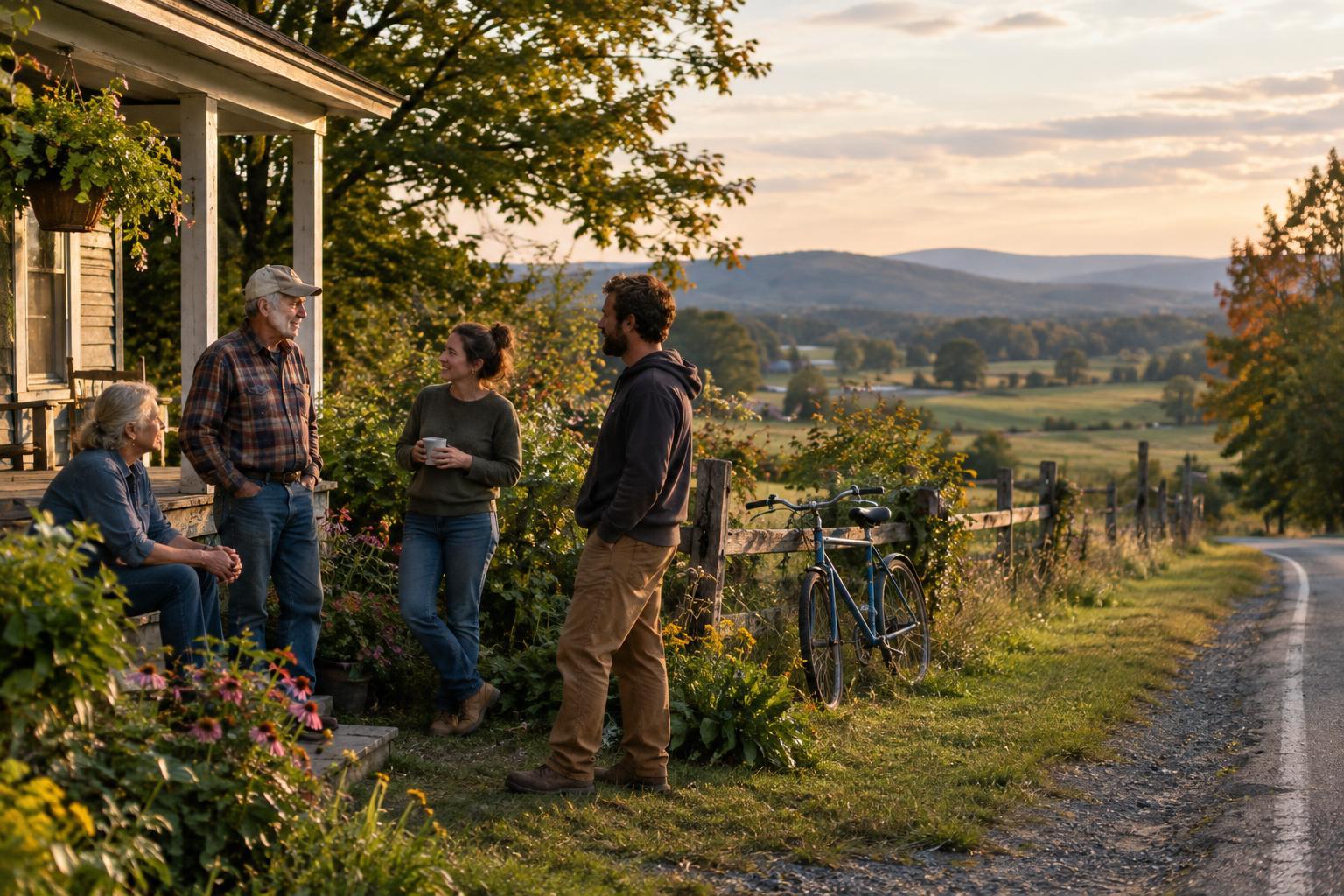
Regional StorytellingA regional story is more than a story set in a named location. Explore how landscape, daily life, community relationships, and a character’s perspective can make place matter on the page.
Read article · 4 min↗