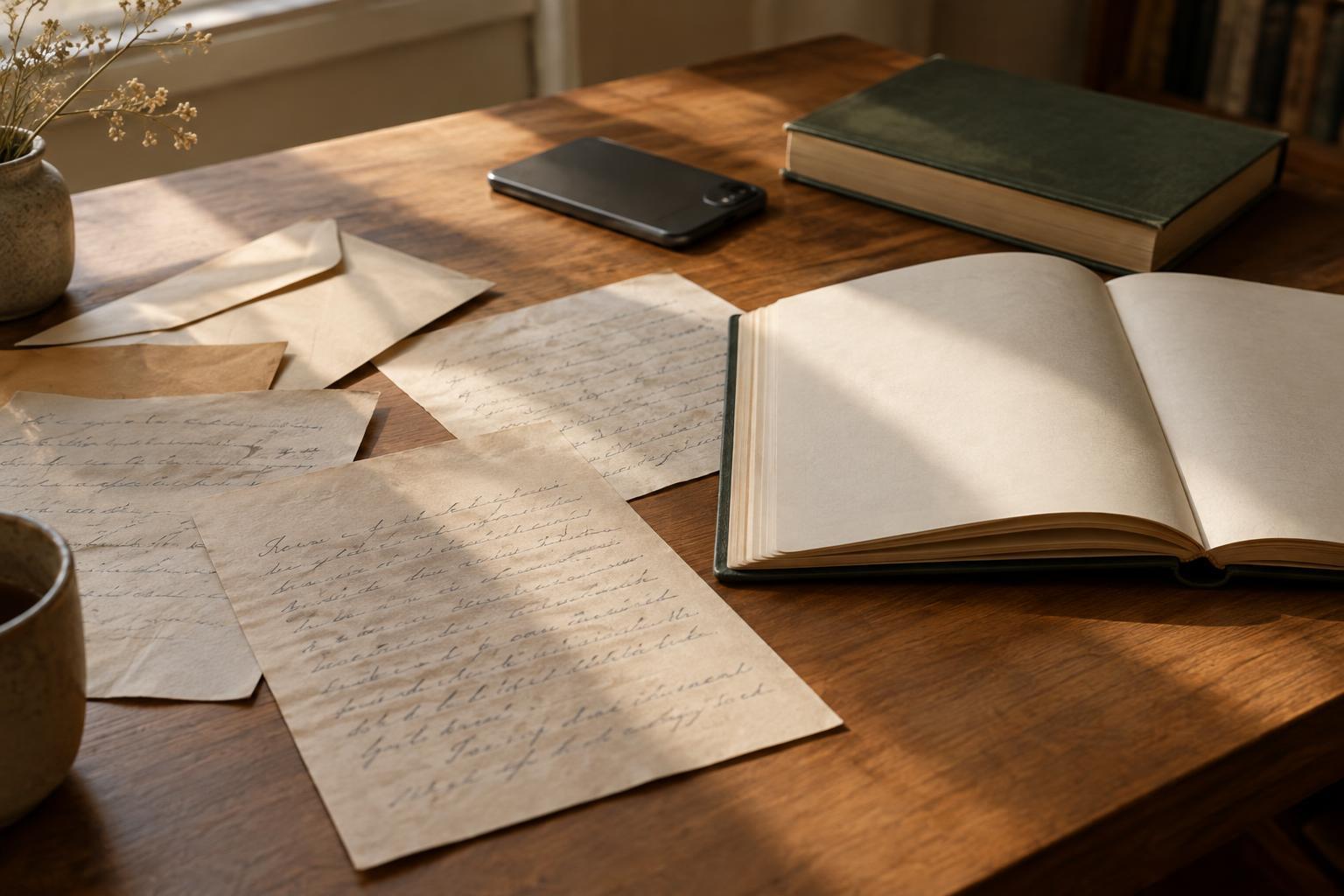
Literary GenresIn epistolary fiction, readers piece together a story from letters, messages, journals, or other documents. Learn what this form makes possible and how to read the gaps between its voices.
Read article · 3 min↗

Literary GenresCampus novels use schools and universities as more than backdrops. Learn how shared spaces, competing ambitions, and the pressures of belonging shape this flexible kind of fiction.
Read article · 3 min↗
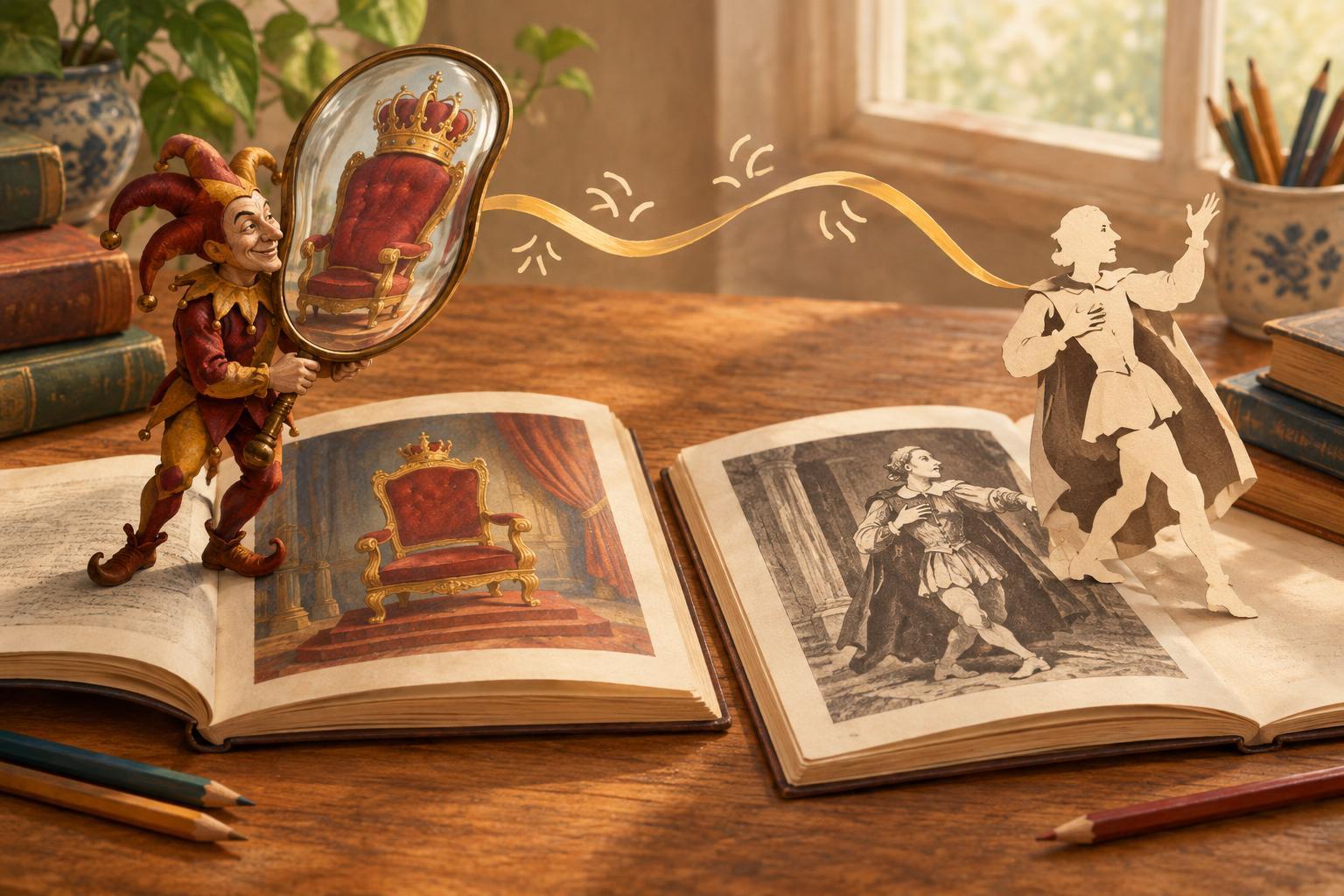
Literary GenresSatire and parody can both be funny, exaggerated and critical, but they aim their humor differently. Learn how to tell them apart, where they overlap and what to notice when discussing a humorous work.
Read article · 3 min↗
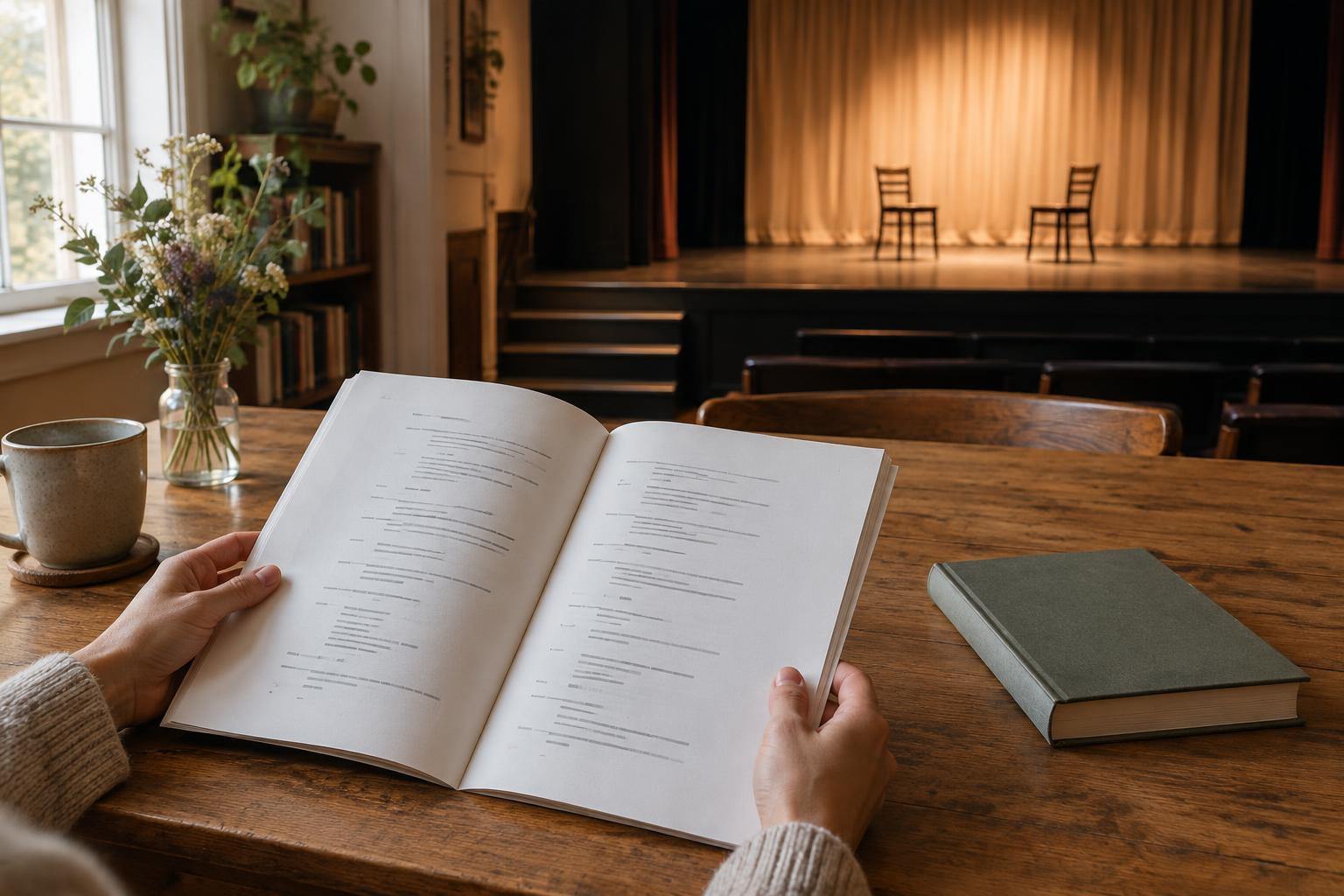
Literary GenresA play asks readers to build a story from dialogue, action, and what remains unsaid. Learn how to keep track of characters and scenes, read stage directions without getting stuck, and imagine a performance while leaving room for interpretation.
Read article · 4 min↗
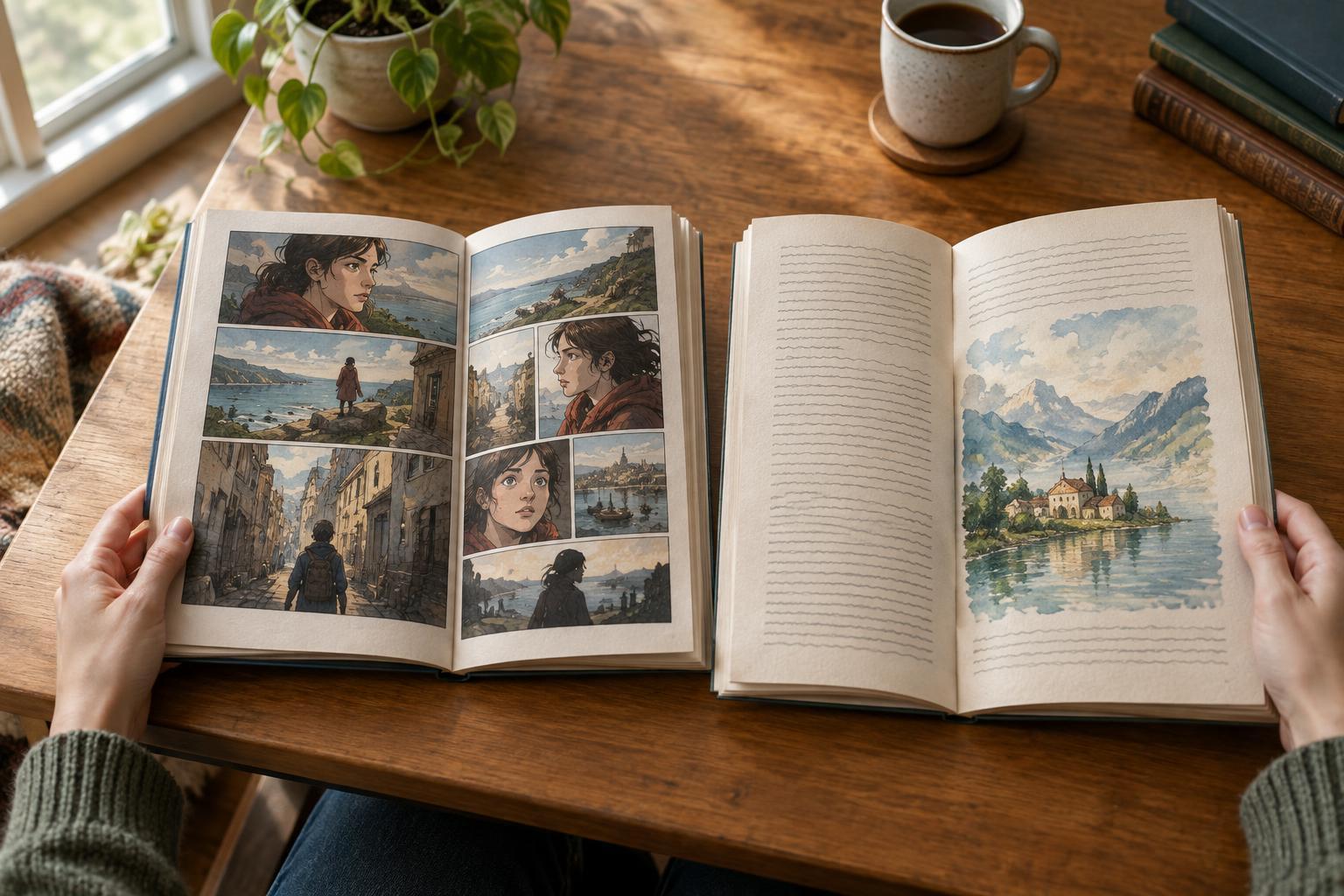
Literary GenresBoth graphic novels and illustrated prose pair words with pictures, but they ask readers to make meaning in different ways. Learn how to notice what images reveal, what text leaves unsaid, and how the two work together.
Read article · 4 min↗
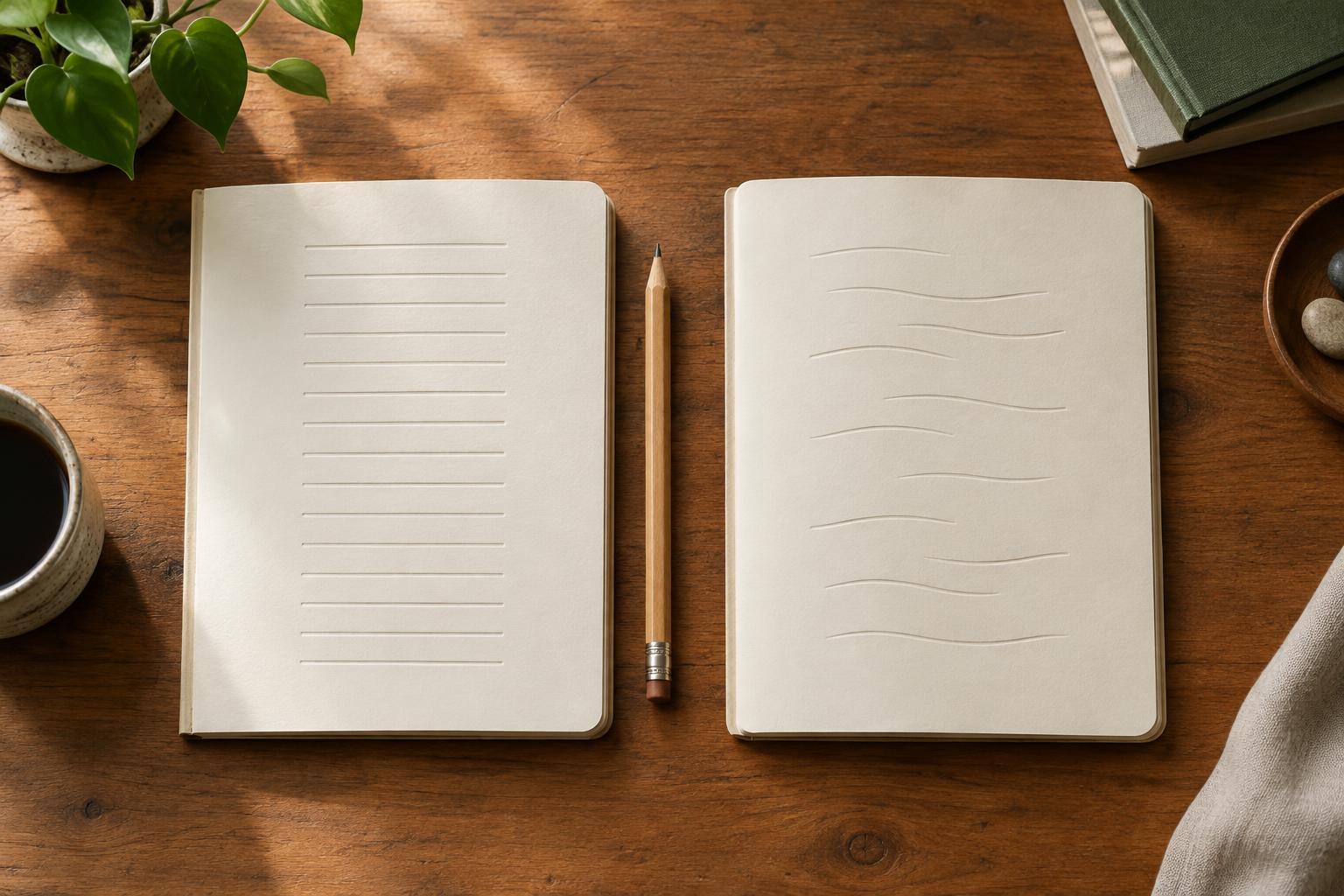
Literary GenresFree verse and formal verse use different kinds of structure, but neither leaves sound or shape to chance. Learn how meter, rhyme, line breaks and repetition work, and try a simple exercise to hear the difference.
Read article · 4 min↗
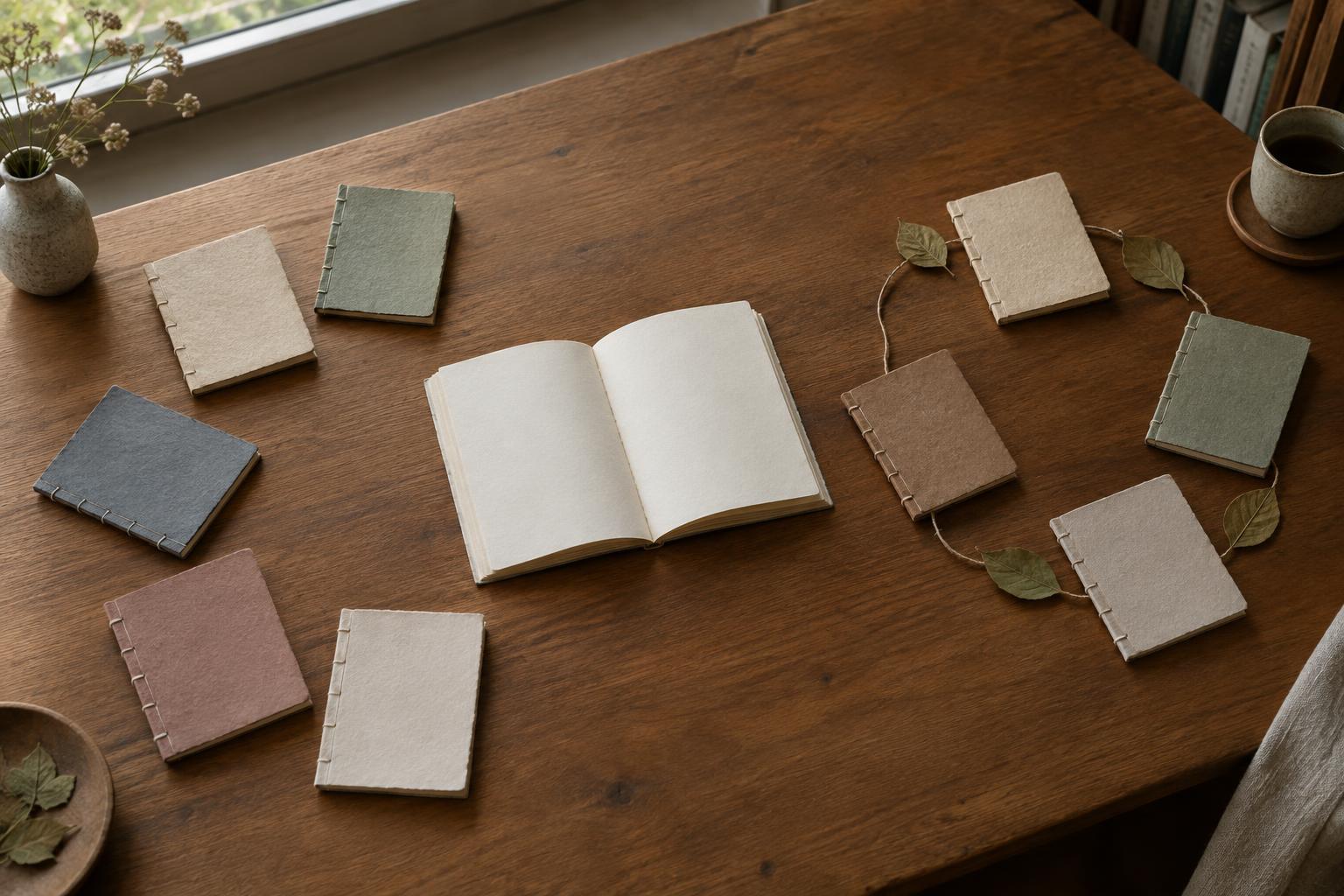
Literary GenresA short story collection and a linked story cycle can both offer the pleasure of reading one piece at a time. The difference lies in what happens between the pieces: how characters, places, images and unanswered questions return to change the larger picture.
Read article · 3 min↗

Literary GenresBoth forms can explore a subject deeply, but they ask readers to follow different kinds of movement. Learn how structure, voice and pacing shape the experience of an essay collection or a single-argument nonfiction book.
Read article · 4 min↗
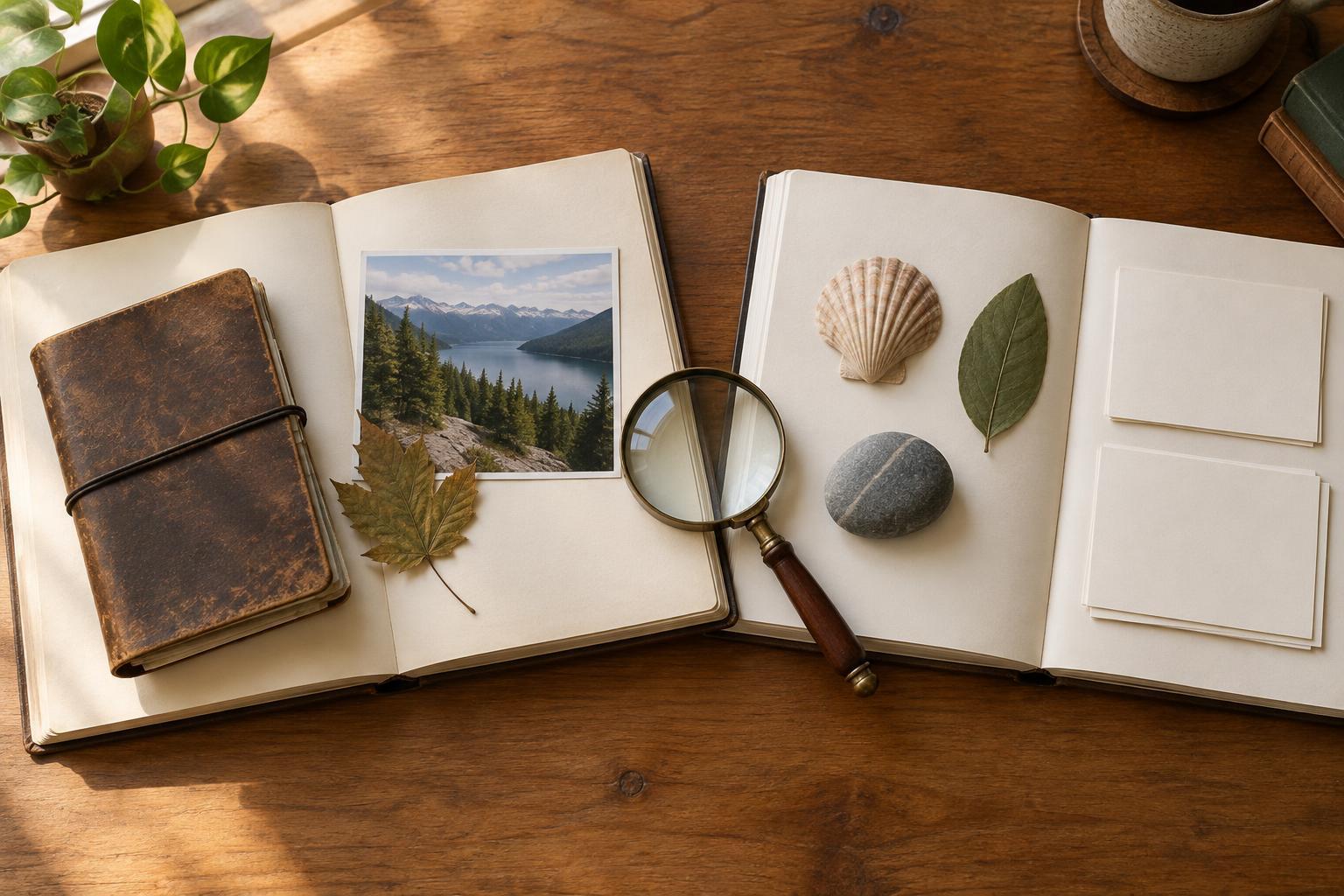
Literary GenresNarrative nonfiction draws readers through events, while expository nonfiction organizes information to explain a subject. Learn how each approach works, where they overlap, and what to notice as a reader or writer.
Read article · 4 min↗
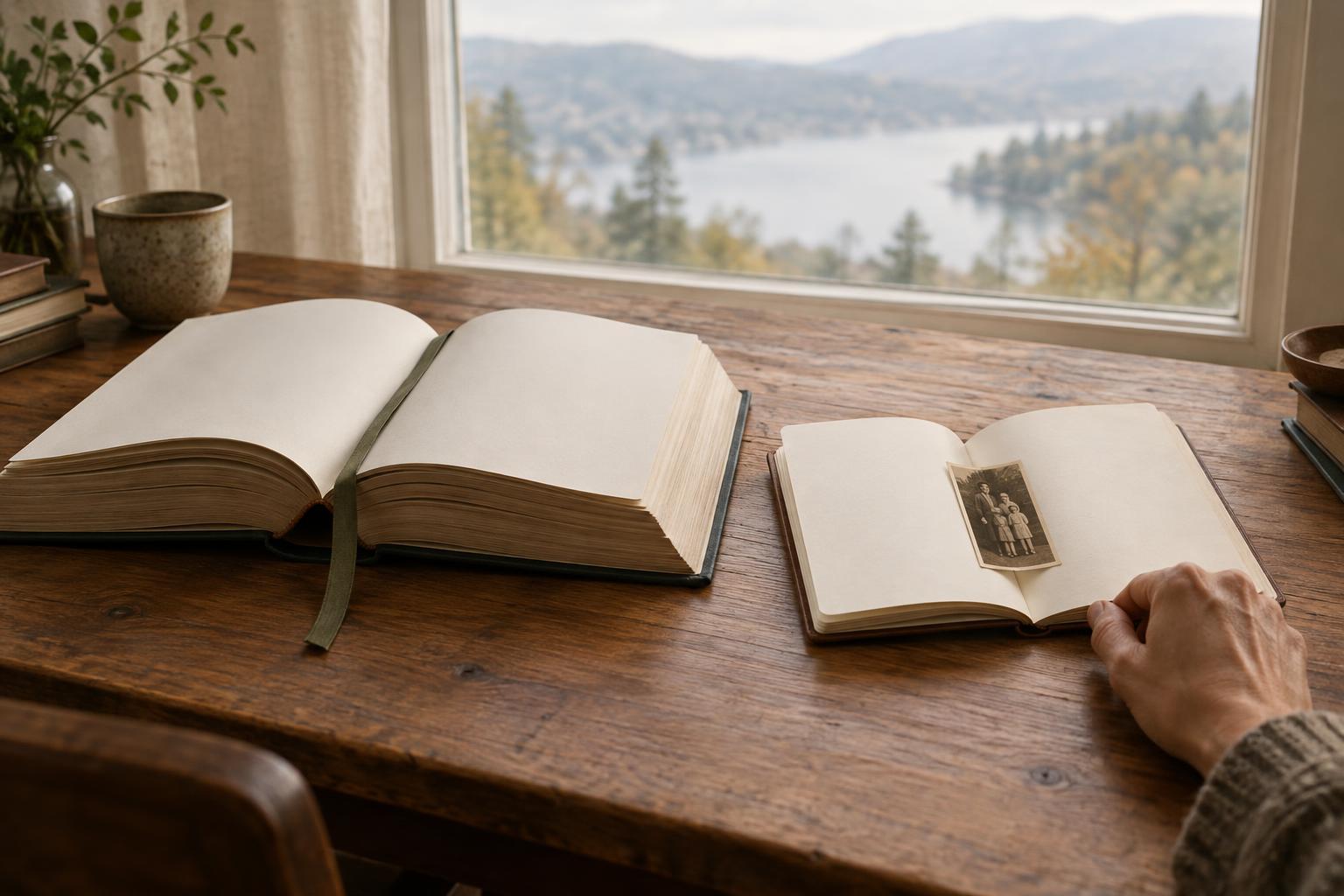
Literary GenresMemoir and autobiography both tell true stories from a writer’s life, but they usually make different promises to the reader. Learn how scope, perspective, and structure shape each form—and why the boundary between them is not always firm.
Read article · 4 min↗
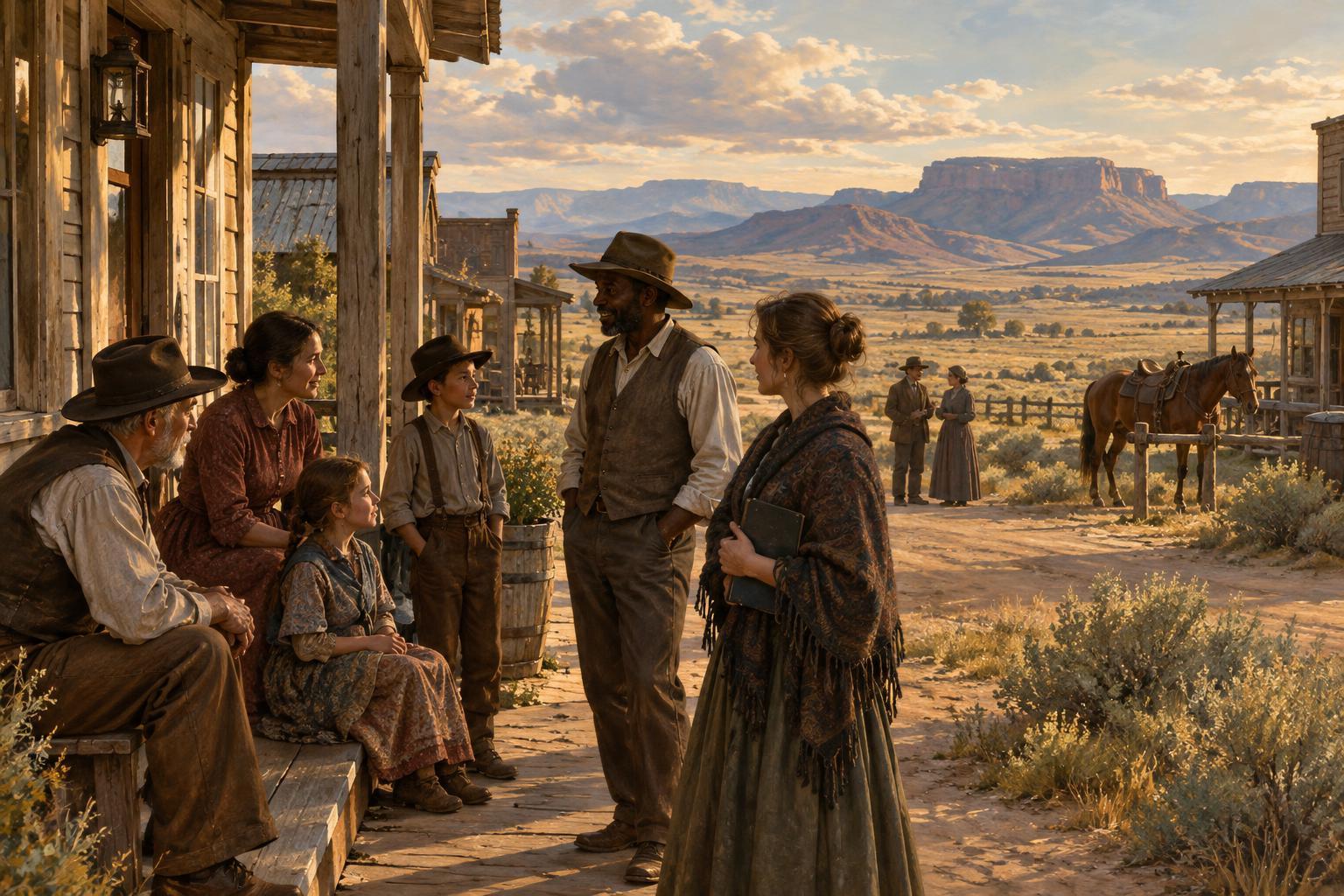
Literary GenresWestern fiction is often reduced to horses, gunfights and lone heroes. Its settings and conflicts can also make room for families, towns, competing ideas of belonging and the consequences of change. Here is a guide to the genre’s familiar conventions, its common misconceptions and a few useful questions to bring to a book discussion.
Read article · 4 min↗
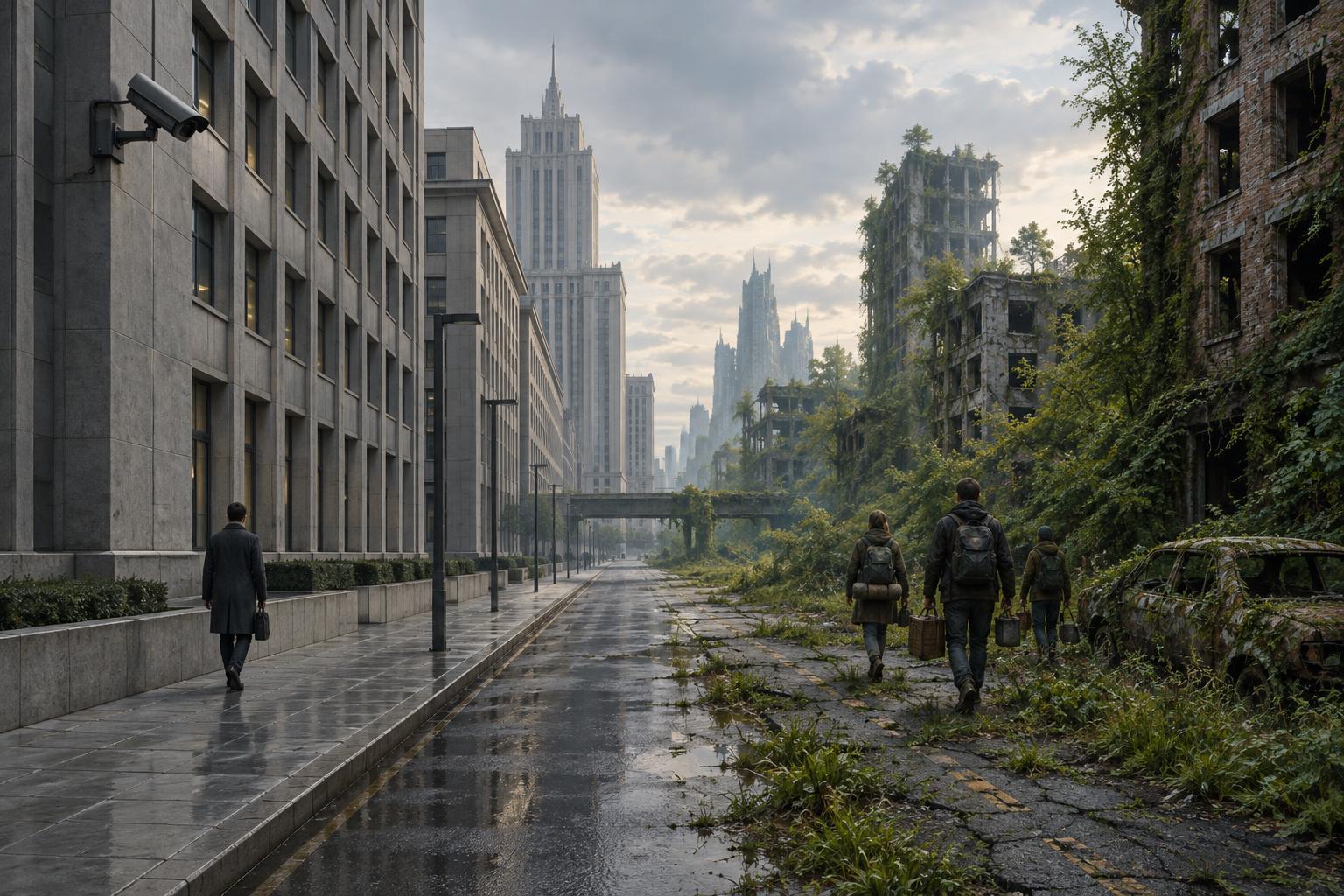
Literary GenresDystopian and post-apocalyptic stories can share ruined streets, scarce supplies and uncertain futures. The difference lies in the pressure at the center of the story: an oppressive social order or life after a devastating rupture. Learn how to recognize each form and where they overlap.
Read article · 4 min↗
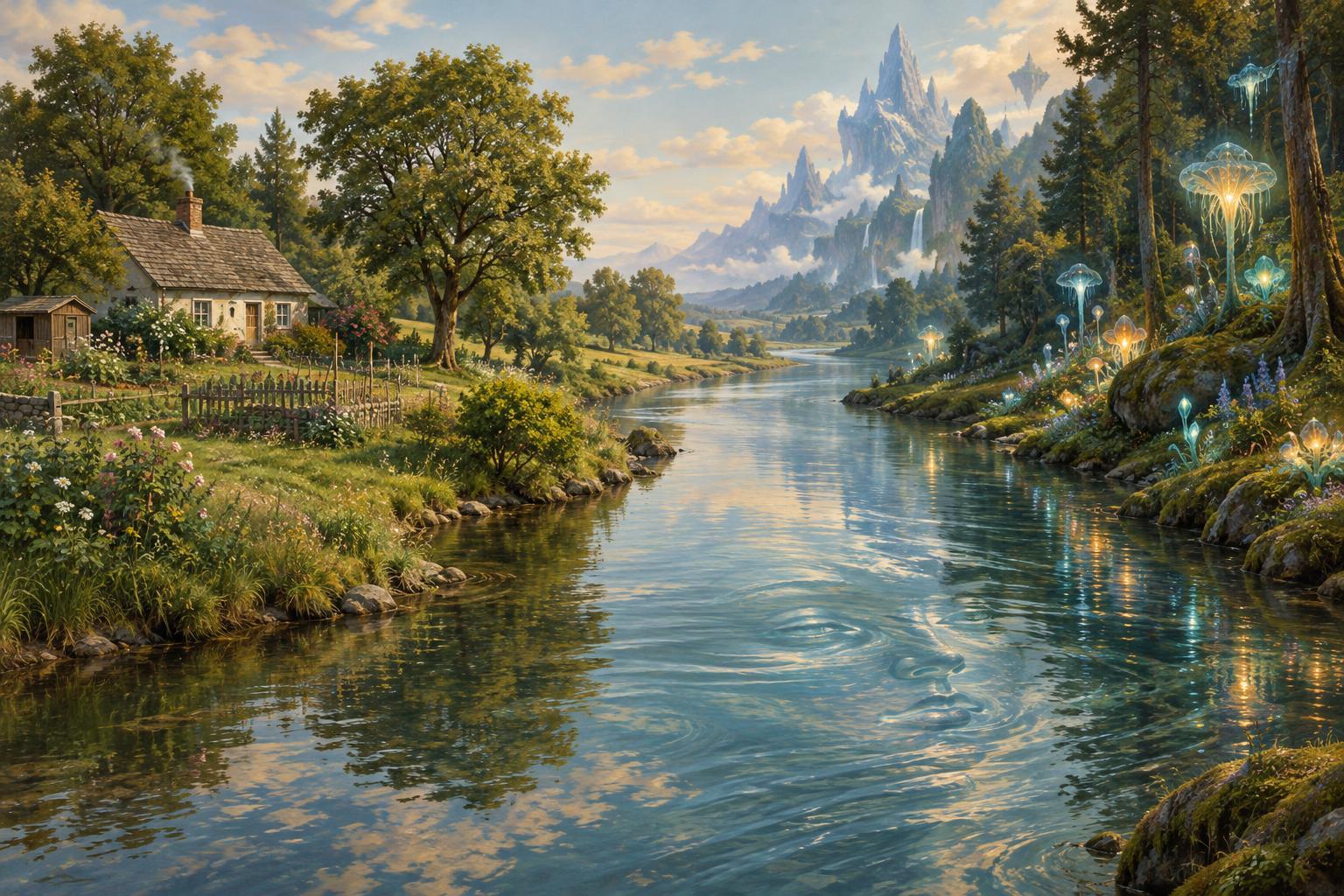
Literary GenresA talking river can appear in either magical realism or fantasy. The distinction often lies in how the story treats the impossible, what kind of world it builds, and what it asks readers to notice. Here is a practical way to discuss both forms without turning their labels into rigid rules.
Read article · 4 min↗
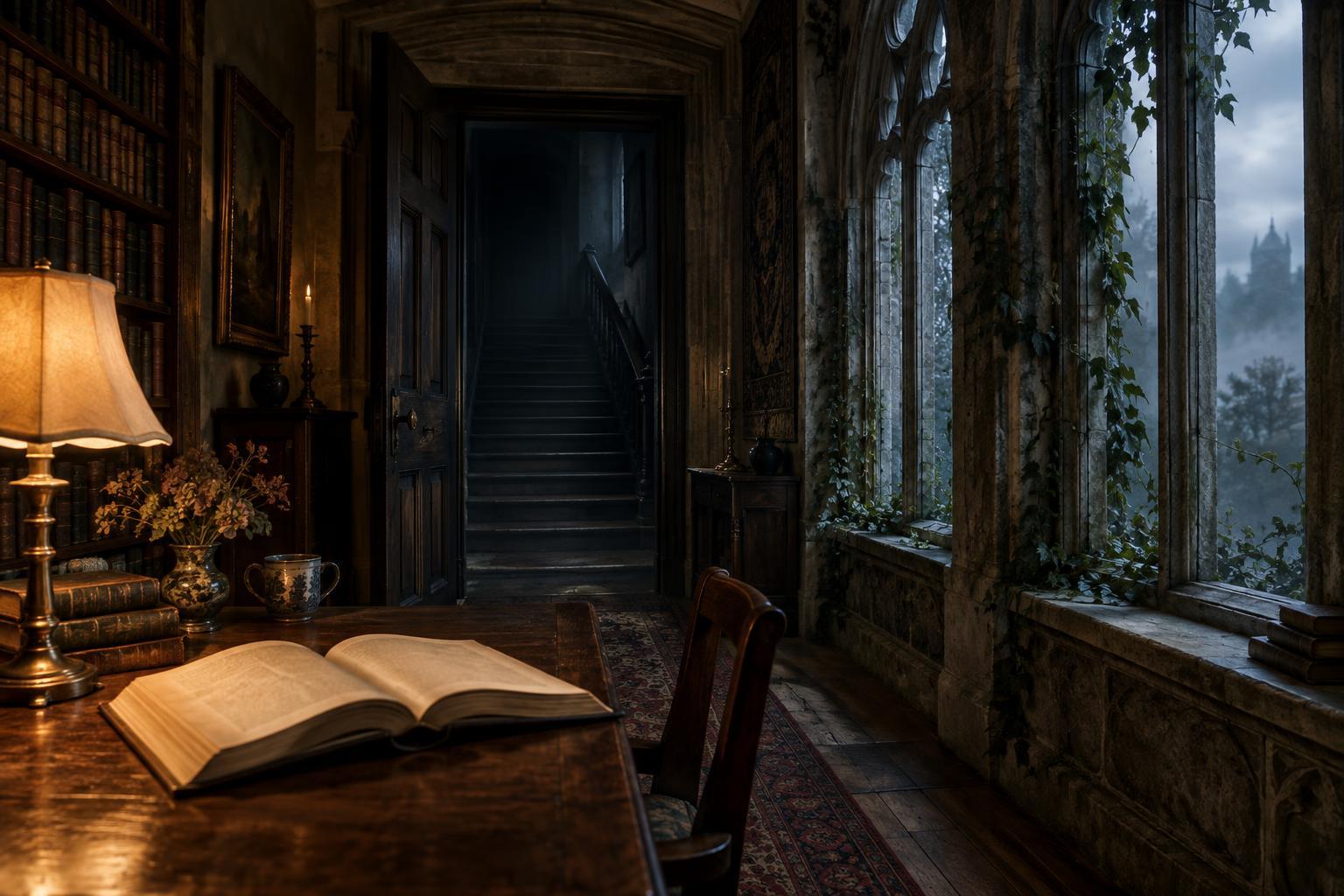
Literary GenresHorror and Gothic fiction can both make a familiar place feel unsafe, but they do not always use fear in the same way. This guide compares their typical approaches to danger, atmosphere, setting, and character, with questions readers can use to explore stories that cross the boundary.
Read article · 4 min↗
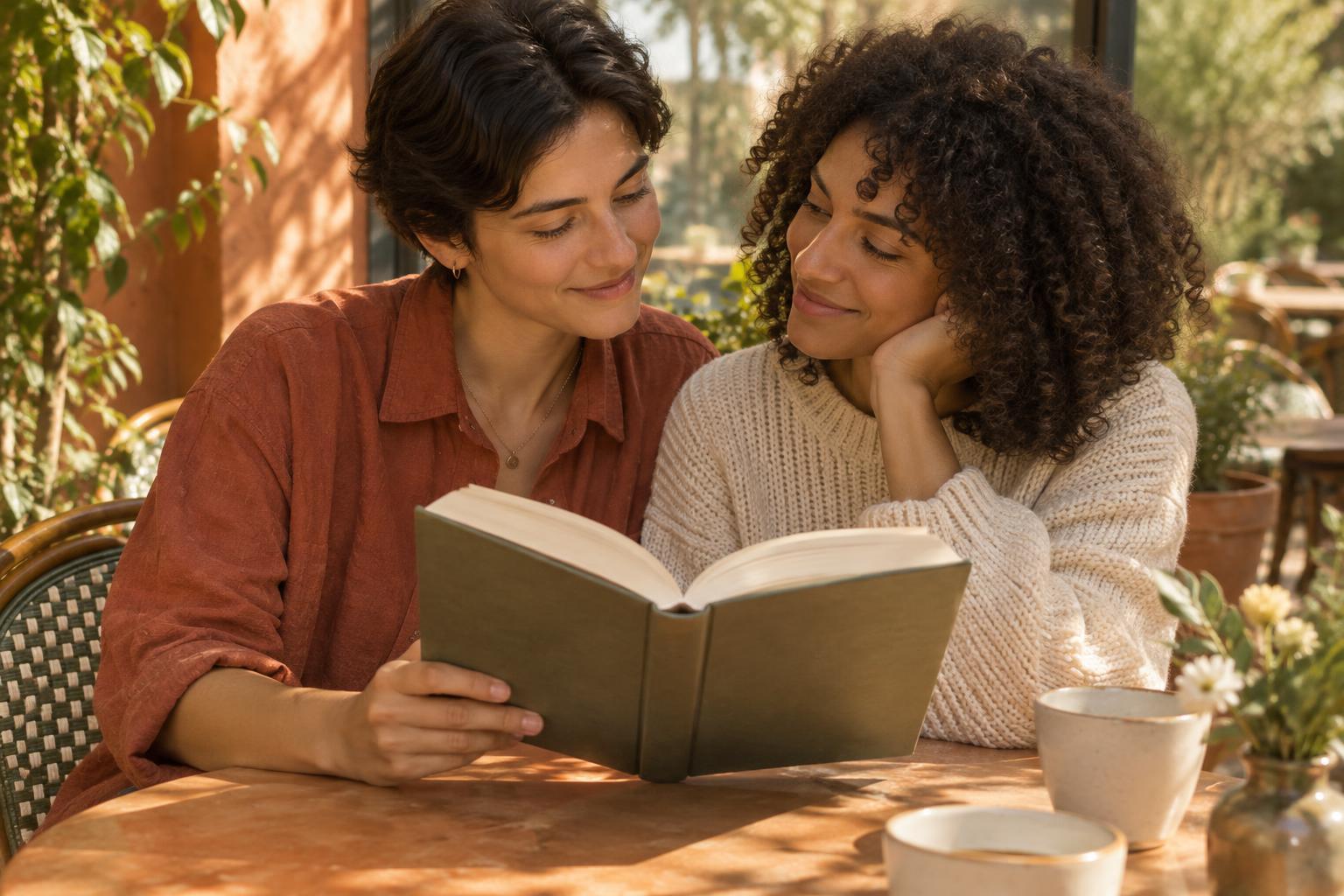
Literary GenresA romance novel can be funny, suspenseful, historical, or quiet. What makes it a romance is not a particular setting or level of heat, but the way a central love story shapes the book and leads to an emotionally satisfying, optimistic ending.
Read article · 4 min↗

Literary GenresHistorical fiction and history books may explore the same era, but they make different promises to readers. Learn how to spot invention, evaluate historical claims and enjoy both forms on their own terms.
Read article · 4 min↗
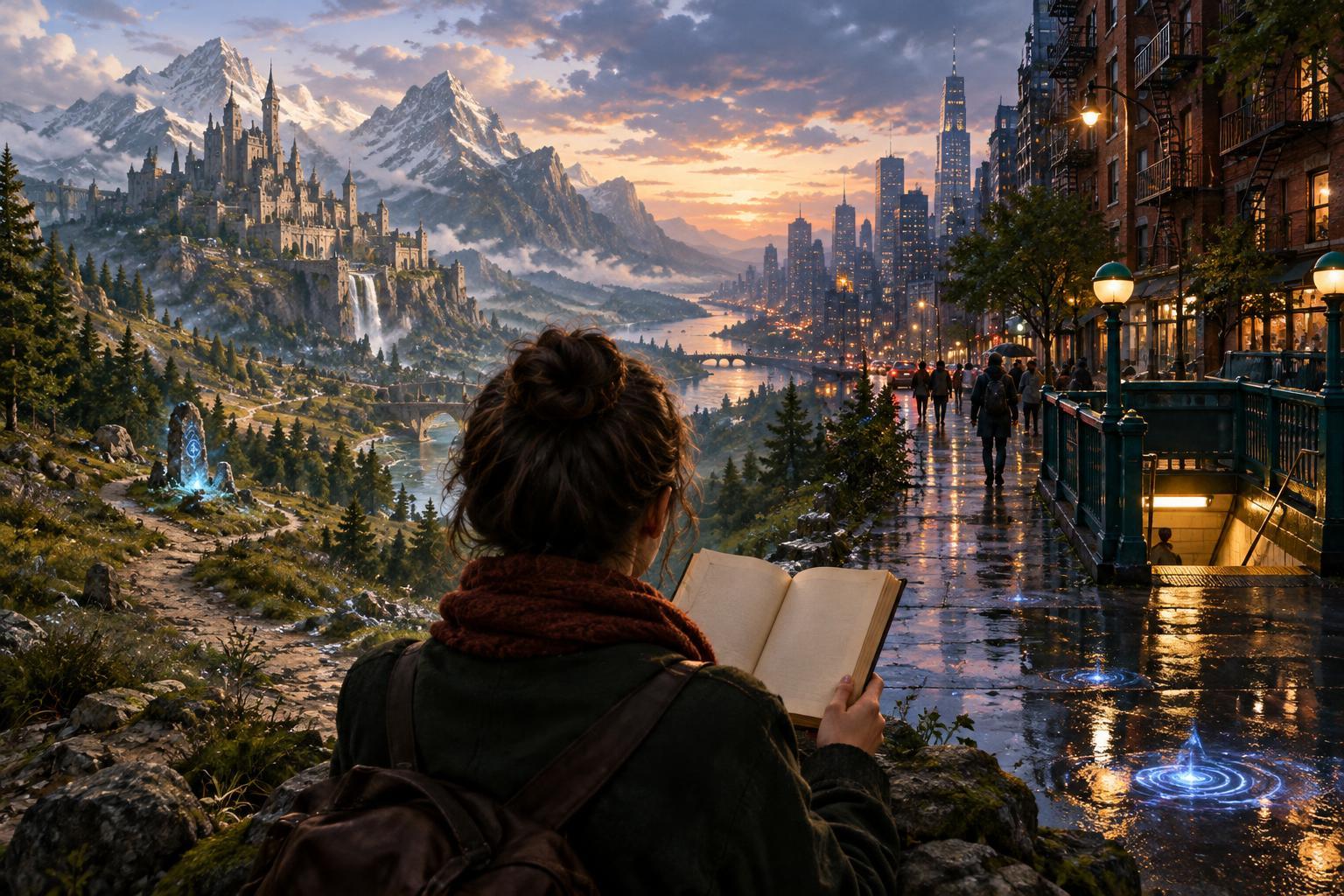
Literary GenresEpic fantasy and urban fantasy both invite readers into worlds shaped by magic, but they often build those worlds from different starting points. Learn how setting, scale, character, and everyday detail shape each reading experience—and why the boundary between the genres is flexible.
Read article · 4 min↗
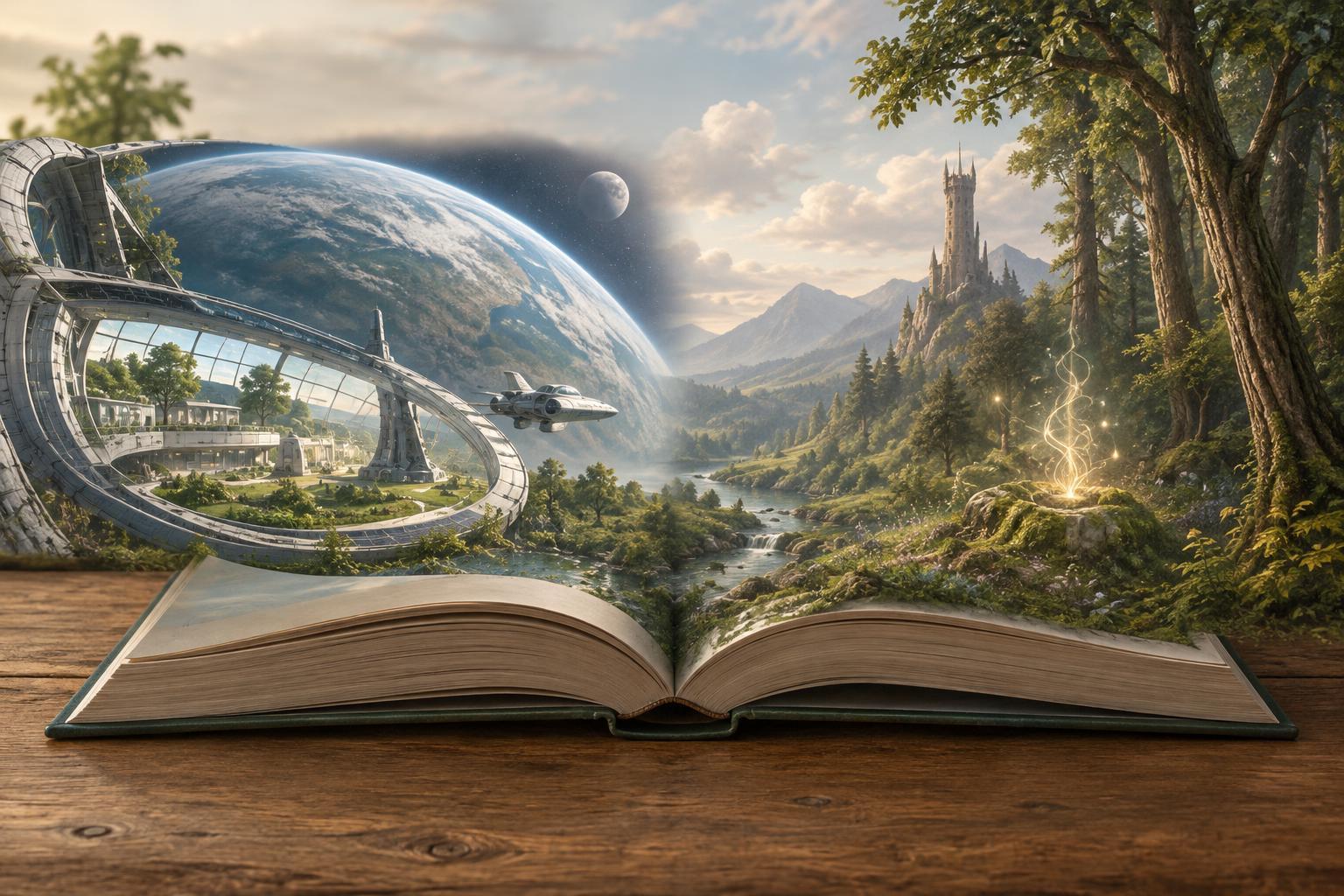
Literary GenresSpaceships and dragons are easy clues, but they do not tell the whole story. A more useful way to distinguish science fiction from fantasy is to ask what makes the story’s world possible, what its characters take for granted, and which questions the imagined setting invites readers to explore.
Read article · 4 min↗
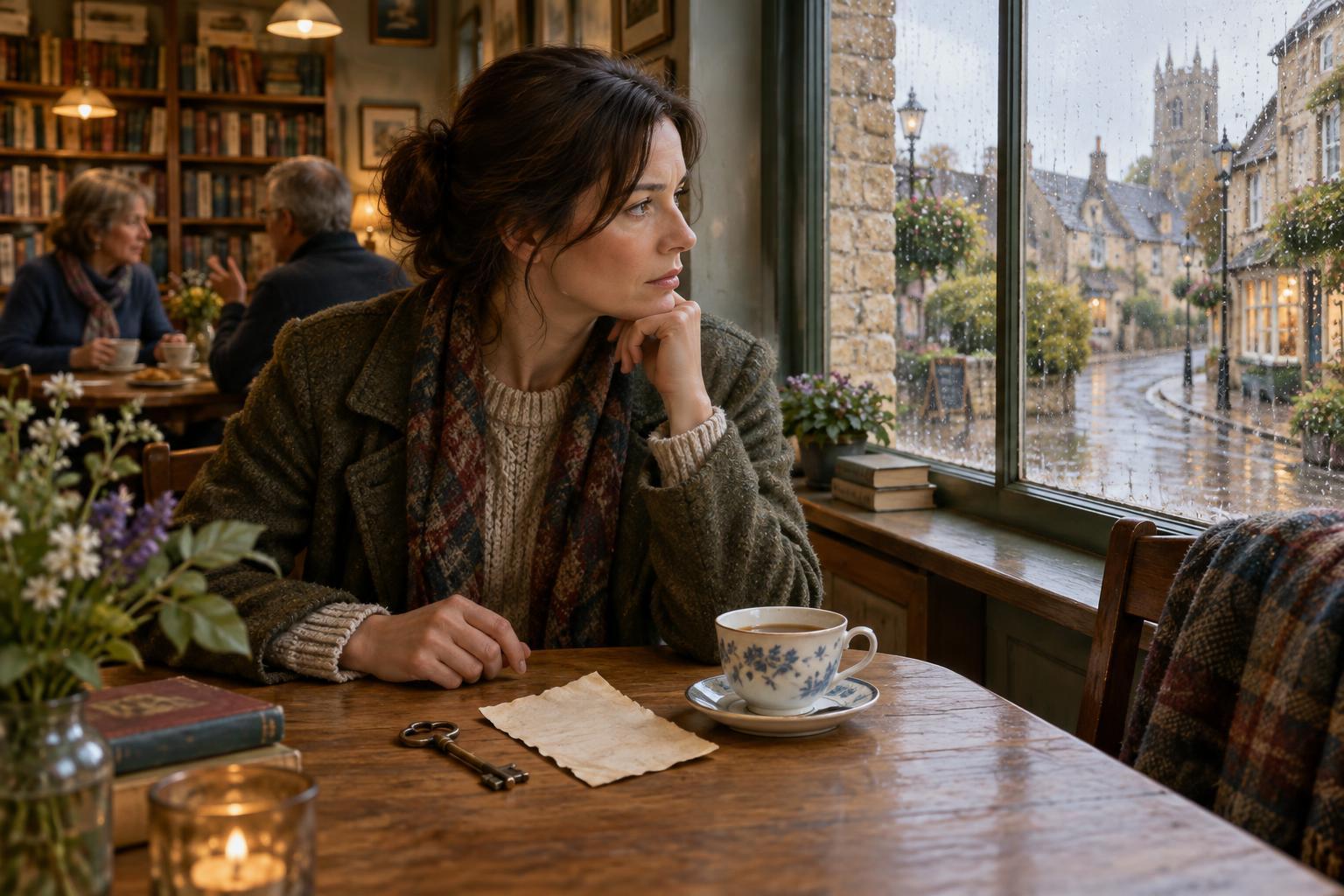
Literary GenresCozy mysteries can contain serious crimes, but they tend to keep the reader’s attention on clues, relationships and a close-knit setting rather than graphic violence. Here is how to recognize the genre, where its boundaries blur and what to look for when choosing your next read.
Read article · 4 min↗
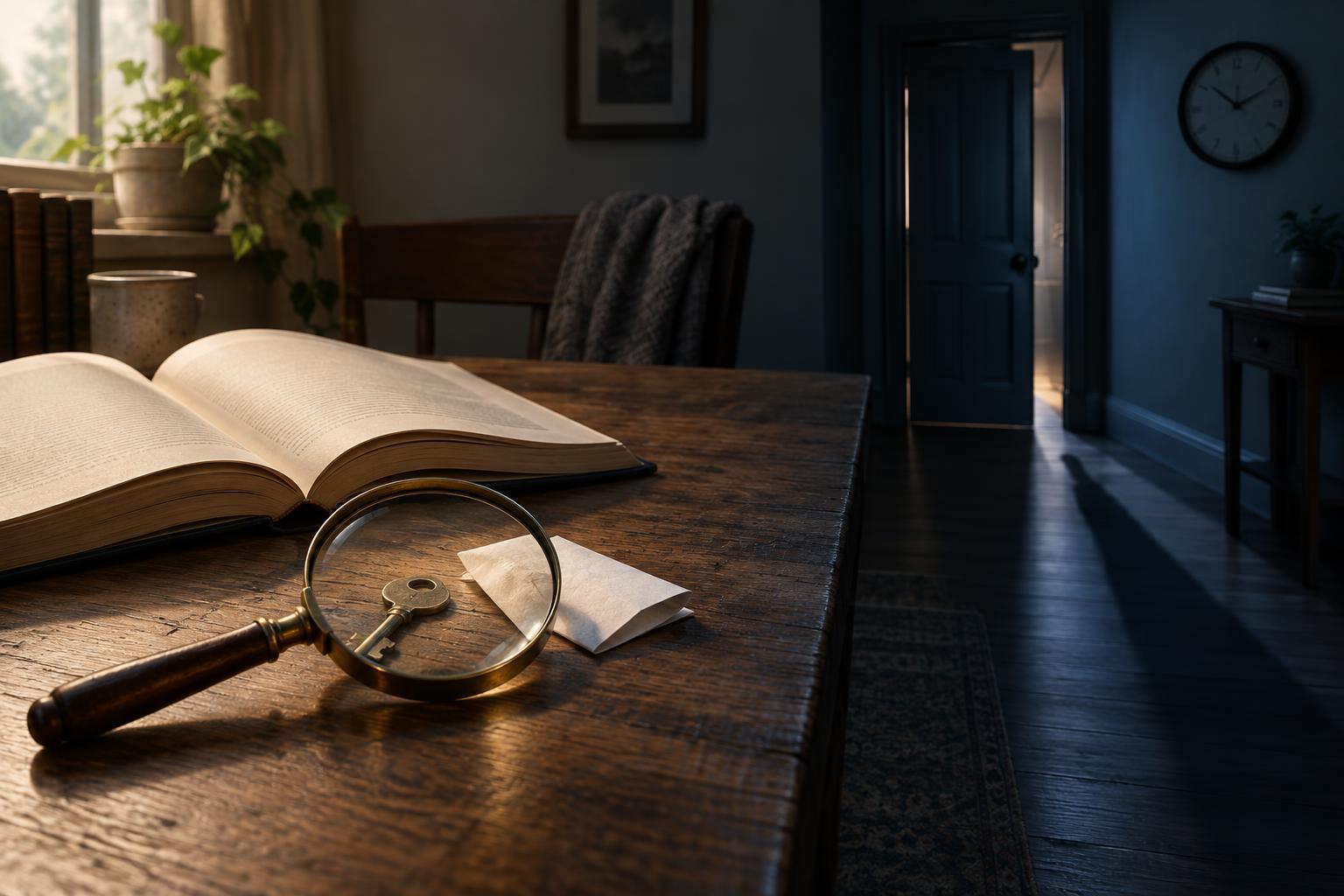
Literary GenresMysteries and thrillers can both keep readers turning pages, but they often create suspense through different questions. Explore how clues, threats, pacing and reader knowledge shape each kind of story.
Read article · 4 min↗

Literary GenresLiterary fiction and genre fiction are often presented as opposites, but the labels describe different reading expectations more than different levels of quality. Here is a practical way to use them when choosing, discussing, and enjoying books.
Read article · 4 min↗
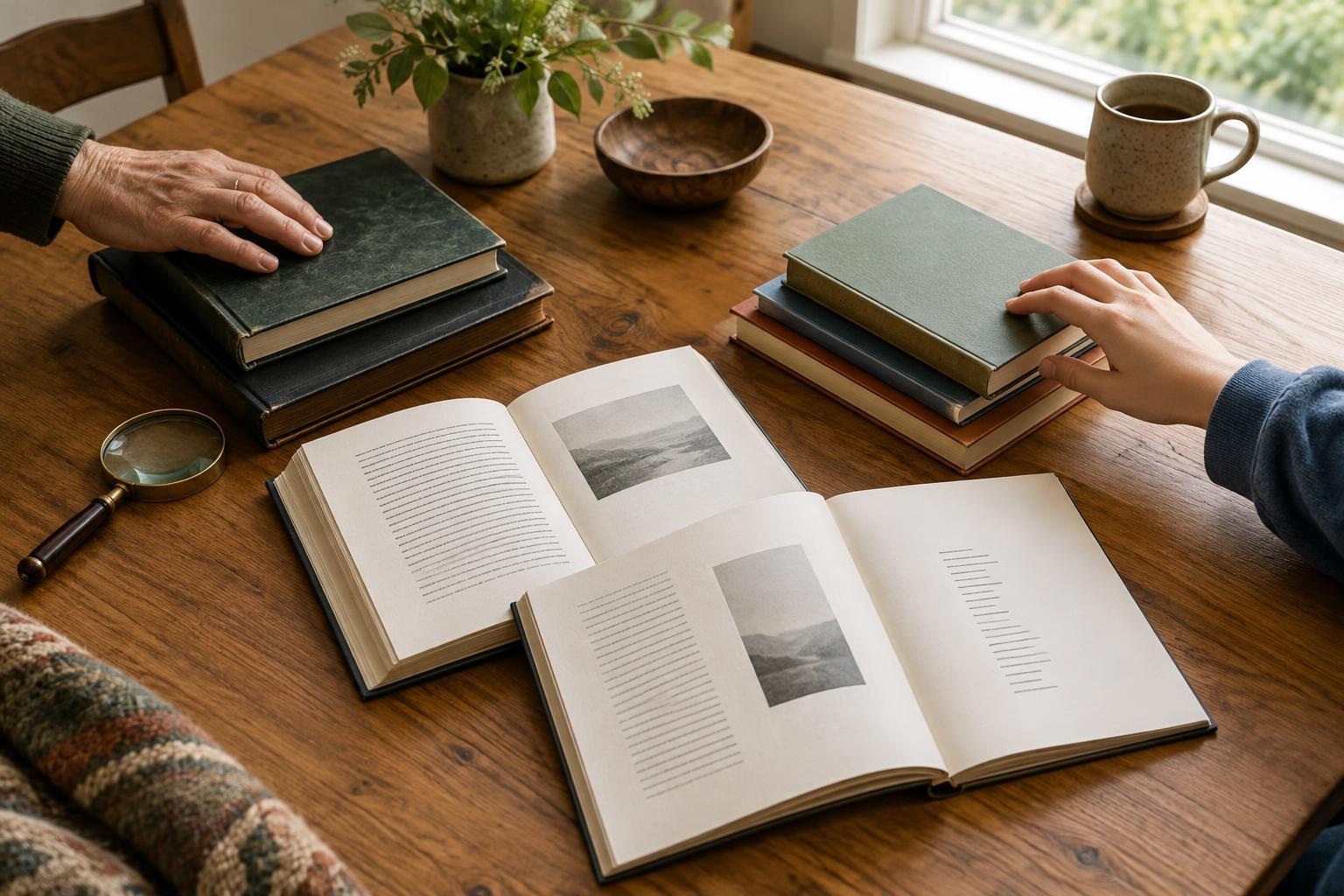
Literary GenresA book can be a mystery, a novel, and a work written for teens at the same time. Those labels answer different questions. Learn how genre, form, and audience can help you choose and discuss books without treating any label as the whole story.
Read article · 4 min↗