The difference is in the storytelling work
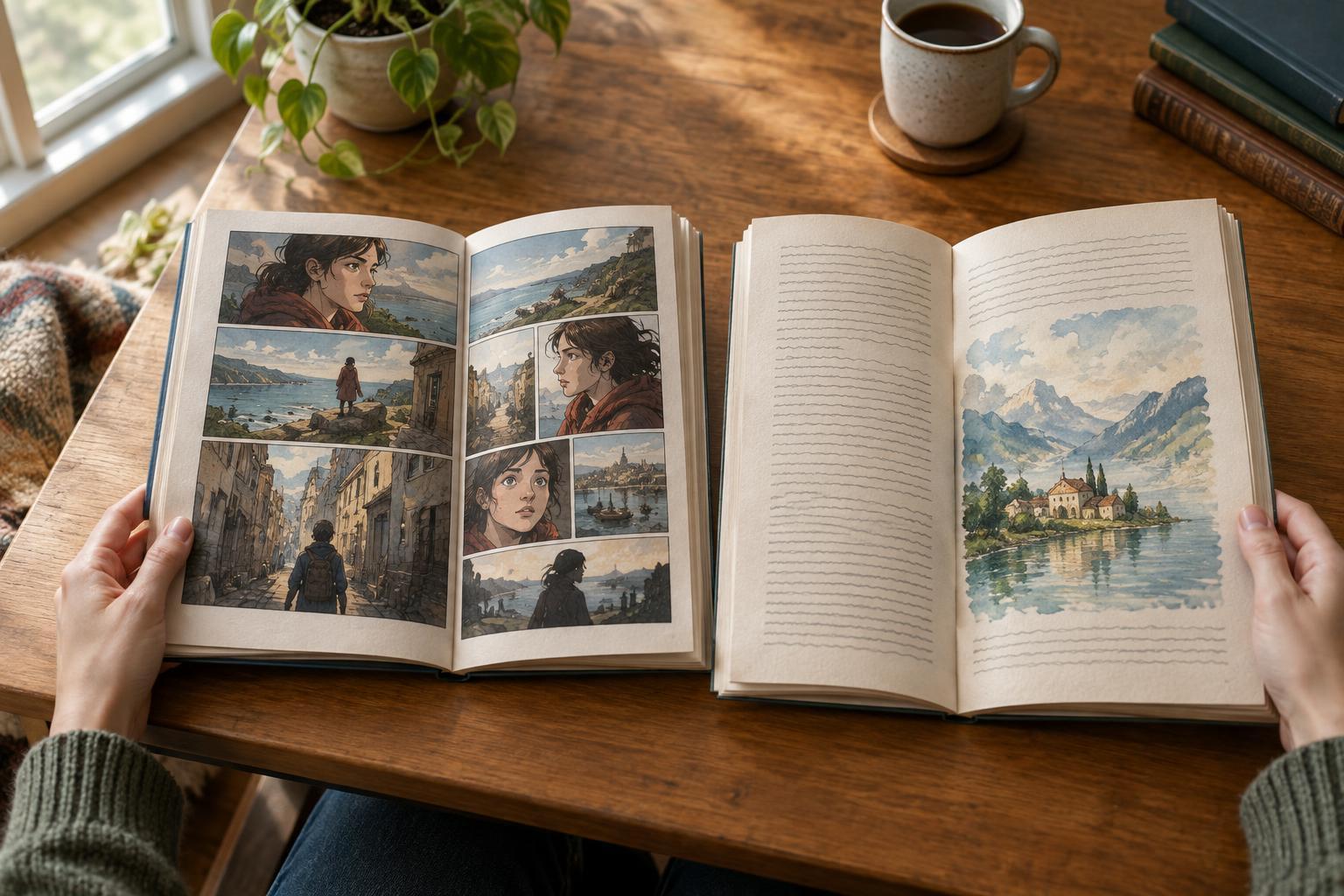
A graphic novel and an illustrated prose book may both contain striking artwork. The useful distinction is not how many pictures appear, or whether the book is intended for children or adults. It is what a reader needs the pictures to do. In a graphic novel, images usually carry essential action, setting, expression, or pacing. Remove them, and much of the story disappears. In illustrated prose, the sentences generally provide the main narrative path, while pictures add atmosphere, emphasis, interpretation, or a moment of surprise.
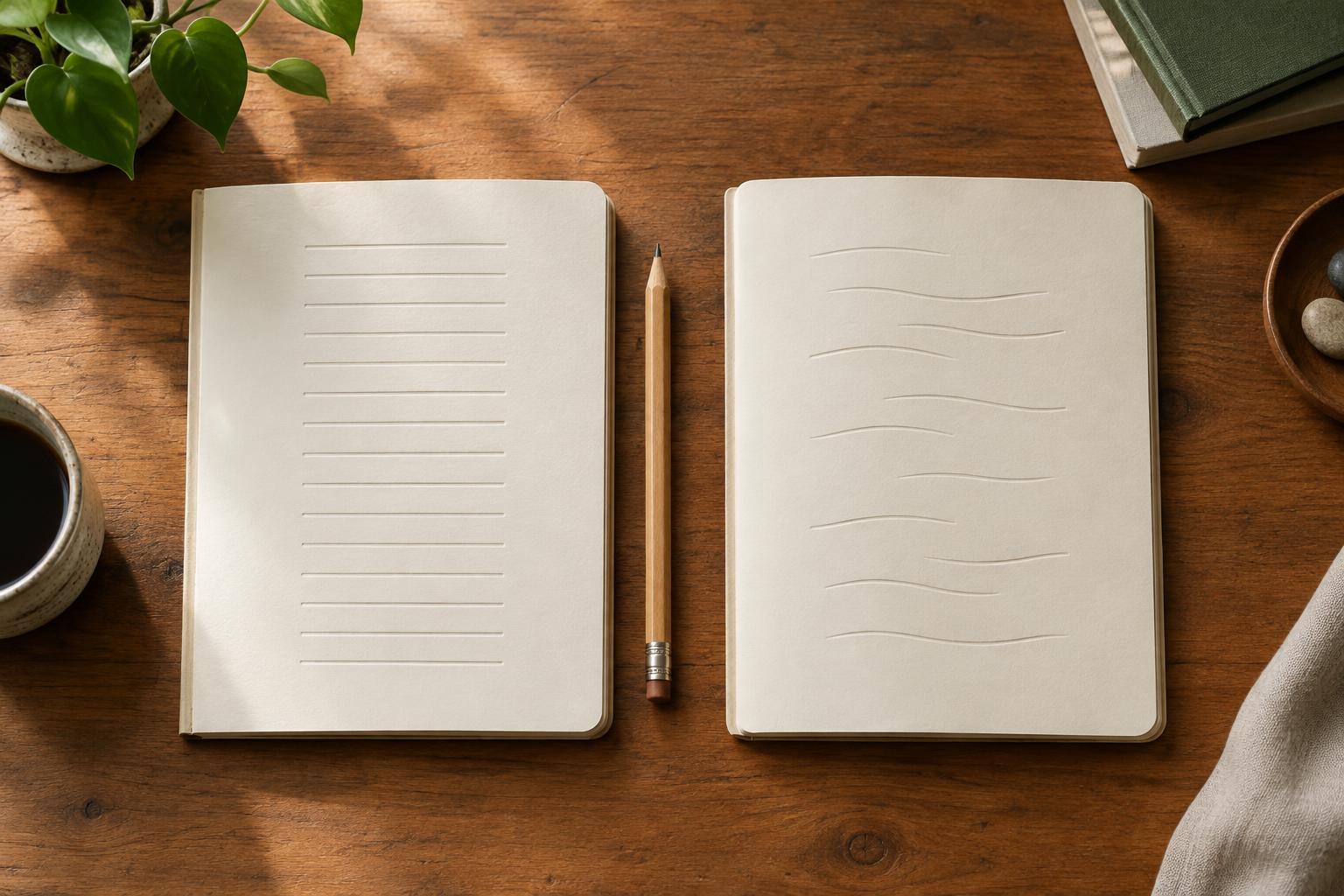
The boundary is flexible. A page of illustrated prose might depend on one image for a crucial reveal; a graphic novel might pause for a long passage of text. “Graphic novel” is also a broad publishing label, used for fiction and nonfiction alike. Rather than treating either term as a strict test, try asking: If I covered the image, what would I miss? Then cover the words and ask the same question. The answers show how a particular book shares its storytelling between the two.
How a graphic novel moves between panels
In many graphic novels, meaning happens across a sequence of panels. One panel shows a hand reaching for a door; the next shows a character frozen in the doorway. The reader supplies the motion and the pause between them. Panel size, spacing, and arrangement can make a moment feel hurried or prolonged. A wide view might establish where everyone stands, while a close view of a face may reveal that a confident line of dialogue is not the whole truth.
Words and images can cooperate without repeating each other. A caption might describe a cheerful visit while the drawings show tension around the table. A silent page might let readers notice a change before a character does. Even the empty space between panels asks for participation: readers infer what happened during the gap. This is one reason a short stretch of pages can reward a second look. Knowing the outcome makes it easier to spot an early visual clue or a shift in viewpoint.
What an illustration adds to prose
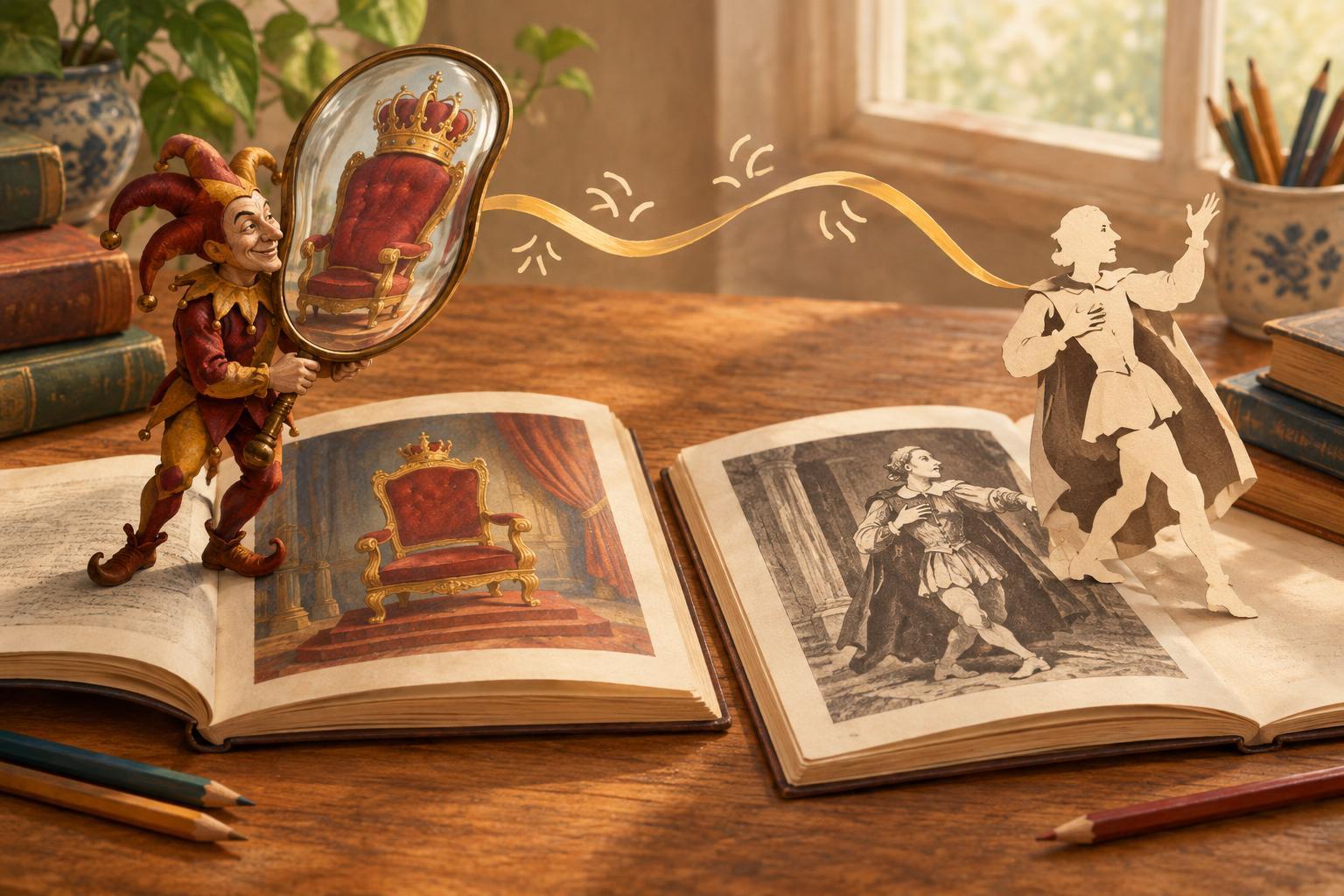
In illustrated prose, the written sentences often set the order of events and give readers access to thoughts, memories, and explanations. An illustration can still change the experience of those sentences. A drawing of a cluttered kitchen may make a family scene feel lived-in; an image placed after a troubling paragraph may leave readers lingering on its mood before they turn the page. Pictures can also offer a perspective the narrator does not mention, inviting readers to compare what is said with what is shown.
Placement matters as much as subject. A small image at the start of a chapter can prepare readers for a place or object that will become important. A full-page illustration can slow the reading rhythm at a turning point. Sometimes the artwork offers no new plot information at all, yet gives a story its visual texture. That contribution is worth noticing without insisting that every picture must hide a clue. Enjoying an illustrated book can mean attending to how an image makes familiar words feel different.
Reading and discussing both forms
When you open an unfamiliar book, scan a spread before reading closely. Where does your eye go first? Is the page arranged to guide you along a clear path, or to make you stop and look around? Then read the words and return to the image. Notice details that gain meaning once you know what a character has said. For a graphic novel, consider what happens between panels. For illustrated prose, consider why an image appears at this particular point rather than a page earlier or later.
These questions also work in a book group, where members may have noticed different things. Choose one scene and ask everyone to describe a detail the words do not state outright. Then ask whether that detail changes anyone’s reading of the scene. There need not be a single correct interpretation: a shadow may feel ominous to one reader and peaceful to another. The discussion becomes more useful when people can point to something on the page and explain their response.
Neither form is a shortcut to the other. Graphic novels ask readers to connect visual and verbal information, while illustrated prose invites them to consider how pictures shape a story told chiefly in sentences. Reading both with curiosity offers a simple pleasure: discovering not just what happened, but how a page helped you feel it happening.