The same event, told from different places
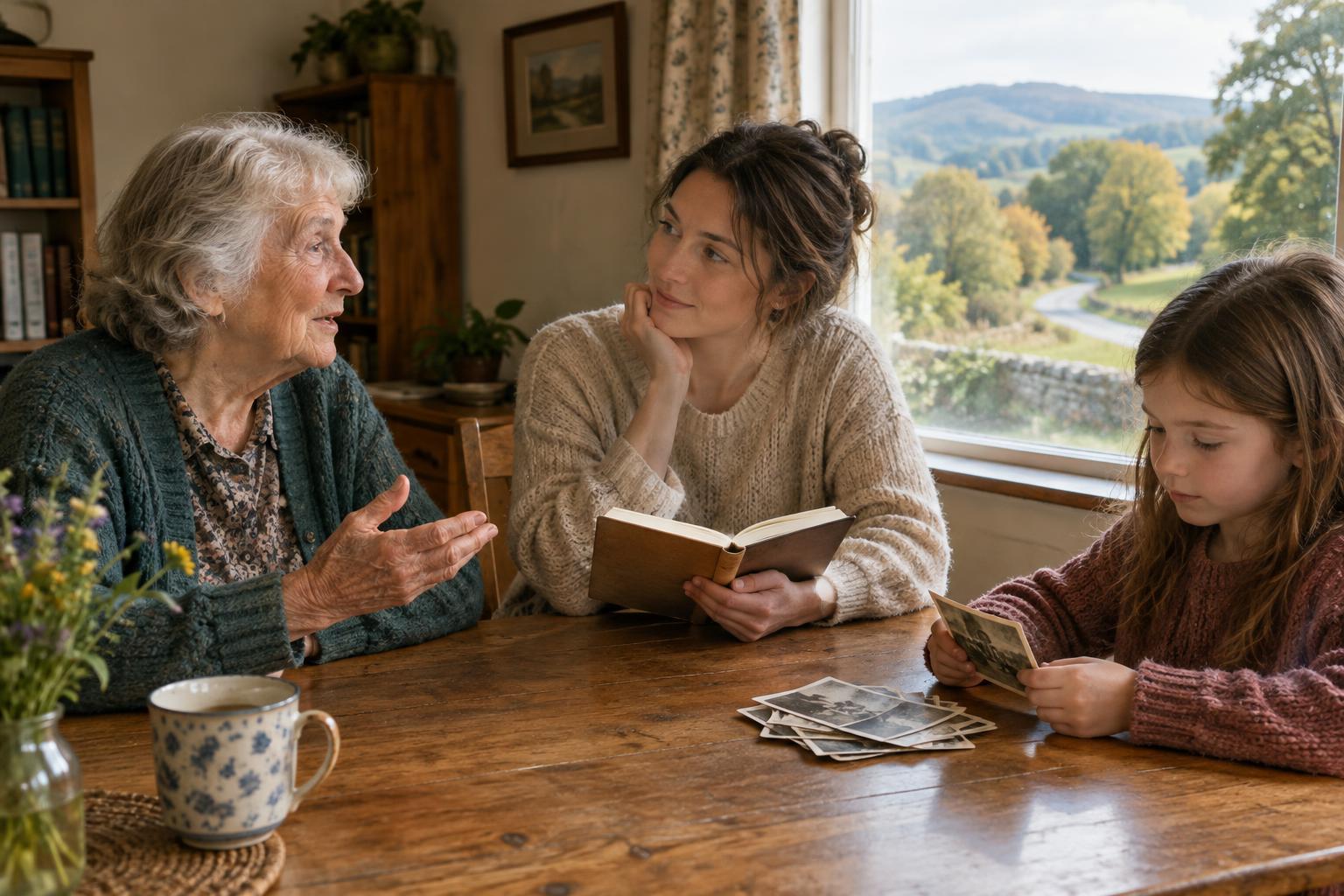
Ask several relatives about one family event, and you may hear several stories. An older relative might recall the work involved in moving house; a child who was there might remember leaving a friend. Someone who arrived later may know the event only through a story repeated at gatherings. These accounts need not cancel one another out. Each person stood at a different distance from what happened and noticed different things.
The telling changes, too. A story shared around a dinner table may become shorter, funnier, or easier to follow than a private account of the same day. Over time, a memorable detail can become the opening line, while quieter details fade. Listening for these shifts helps us understand a family story as both a memory of an event and something people continue to make together.
What a changed detail might tell us
Differences can point toward the concerns of a generation. One person may describe a long trip in terms of roads and weather; another may focus on the decision to leave. A story about a family business might celebrate independence in one telling and emphasize exhausting work in another. The change does not automatically mean someone is hiding the truth. It can show which part of the experience feels most important to the teller.
Other differences deserve more careful attention. A cheerful version may leave out hardship because the speaker wants to protect a child, keep peace at a gathering, or simply avoid a painful subject. Conversely, a later telling may add conflict that earlier versions overlooked. It is useful to ask what each account includes, what it leaves uncertain, and whether the person sharing it wants to say more. A gap is not an invitation to invent an answer.
Place gives a story its shape
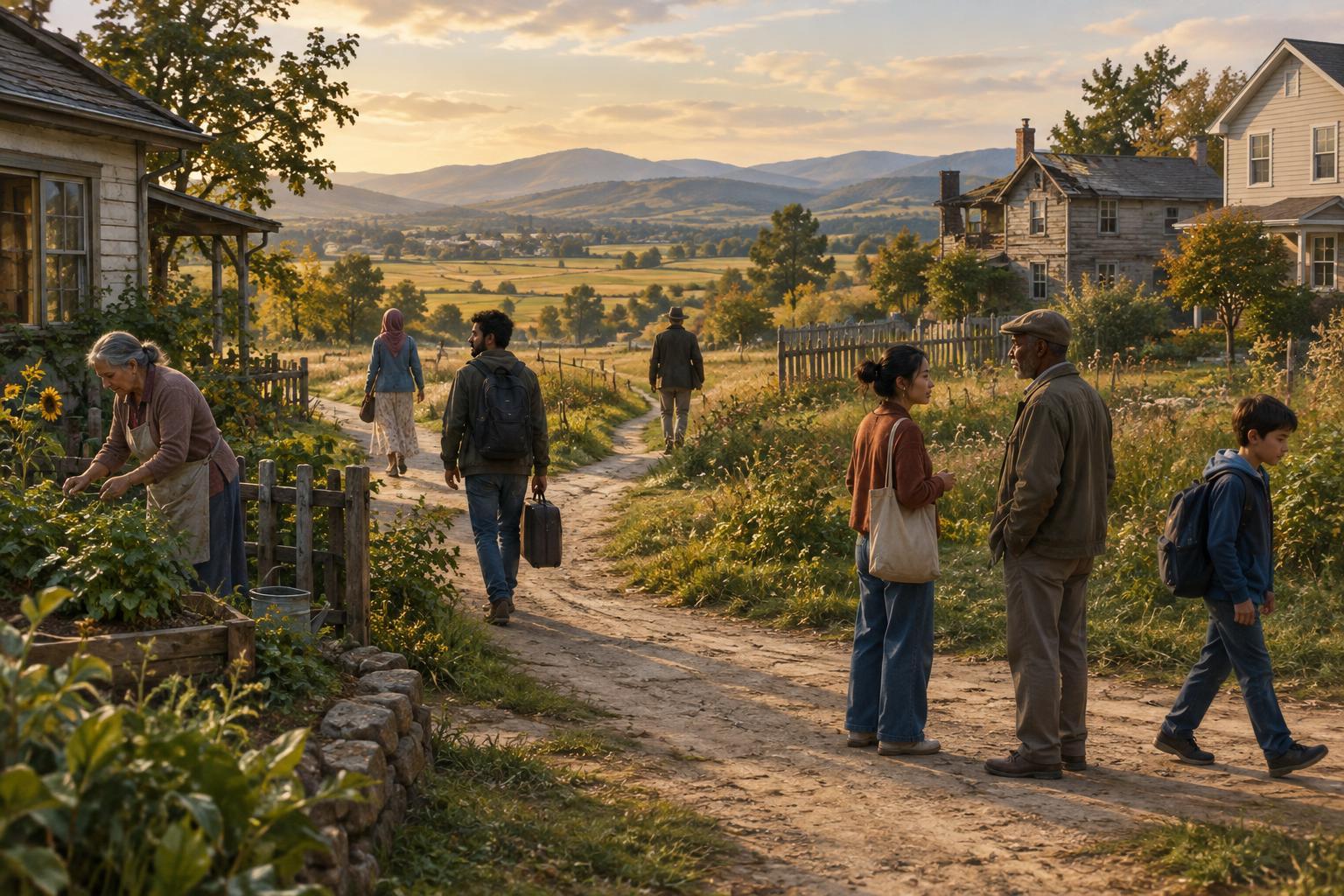
Regional stories often carry a sense of place in ordinary details: the route to a neighbor’s house, the sound of a school gym, a familiar stretch of highway, or the way a household planned around the seasons. Such details can make a story vivid without asking a landscape to stand in for everyone who lives there. Two families in the same town may remember its streets, workplaces, and gathering places very differently.
When collecting a story rooted in Kansas or elsewhere on the Plains, ask about particular places rather than assuming a single regional experience. What did the teller call that part of town? Where did people meet? Which places have changed names or uses? These questions can bring out details a broad prompt like “What was it like back then?” might miss. They also leave room for stories of arrival, departure, belonging, and feeling out of place.
Keep more than one version
If you want to preserve a family story, start by recording who told it, when they told it, and how they know the events they describe. Write down a striking phrase in the speaker’s own words if they are comfortable with that. Then invite another account without treating the conversation as a contest: “What do you remember about that day?” is often more welcoming than “Which version is right?” If you record audio or plan to share the account, ask permission first.
Keep your notes clear about what you heard and what you inferred. “Aunt Mara remembers the move taking two days” is different from “The move took two days.” Label uncertain dates and names rather than smoothing them into certainty. If two people disagree, you can preserve both accounts side by side. That small editorial choice respects the tellers and gives future readers a fuller picture of how the family has understood its past.
Write with curiosity and care
Family stories can inspire an essay, a short piece of fiction, or a discussion with children and book groups. One useful writing exercise is to describe the same event twice: first from the viewpoint of someone who lived through it, then from that of someone who heard about it years later. Notice which details each narrator can know and which they must imagine. If you turn real memories into fiction, be clear with readers about the difference.
Not every story is yours to publish. A relative may happily tell you something they do not want shared beyond the family, and another person named in the story may see it differently. Ask before using sensitive details, especially when others could be recognized. The goal is not to produce one final, polished family legend. It is to make room for attentive listening, honest uncertainty, and the many ways people carry a place and its stories forward.