Begin with what the story actually names
“The Great Plains” can sound like a single setting, but a story takes place somewhere more particular. Notice whether the writer names a town, a river, a road, a neighborhood, or a family property. Then notice what remains unnamed. A character who calls a place “home” may know it through work and memory; a visitor may see only what is visible from the road. Those differences tell you as much about the viewpoint as they do about the location.
Make a small list of concrete details as you read: sounds, weather, buildings, plants, distances, and routes people take. Ask who notices each one and why. A long drive might give one character privacy and leave another dependent on someone else for a ride. Rather than deciding in advance what the landscape symbolizes, let the story show you which details matter to its people.
Watch how place changes what characters can do
Setting becomes active when it affects a decision. A character may leave early because a journey takes time, postpone a conversation until a shared task is finished, or meet someone in a place where both feel at ease. Weather and distance can matter, but so can a kitchen table, a school hallway, or the edge of town. Ask a simple question after an important scene: Would this exchange unfold the same way somewhere else?
Look beyond physical obstacles. Place can create routines and expectations: where people gather, who feels welcome, what work needs doing, and how quickly news travels among characters. The point is not to claim that geography determines anyone’s life. It is to see how a writer gives characters choices within a particular social and physical world. A compelling story can show both the pressure of a place and a person’s ability to resist or reinterpret it.
Read the land alongside its histories
A description of open land may invite a reader to imagine emptiness. Before accepting that impression, ask what the story says about people who live there, lived there before, or are absent from the narrator’s account. A fence, a field, or a street name may carry a history of ownership, labor, belonging, or displacement. The text may explore that history directly, hint at it, or leave a silence worth discussing.
Avoid treating a region’s communities as interchangeable. Indigenous nations have distinct histories and continuing lives; rural residents, city residents, newcomers, and longtime neighbors may relate to a place in different ways. A single work cannot speak for all of them. Pay attention instead to the perspective the work offers. Who tells the story? Whose knowledge of the land is trusted? Who gets to describe it, name it, or imagine its future? These questions help you read carefully without asking one book to stand in for an entire region.
Notice when familiar images are being challenged
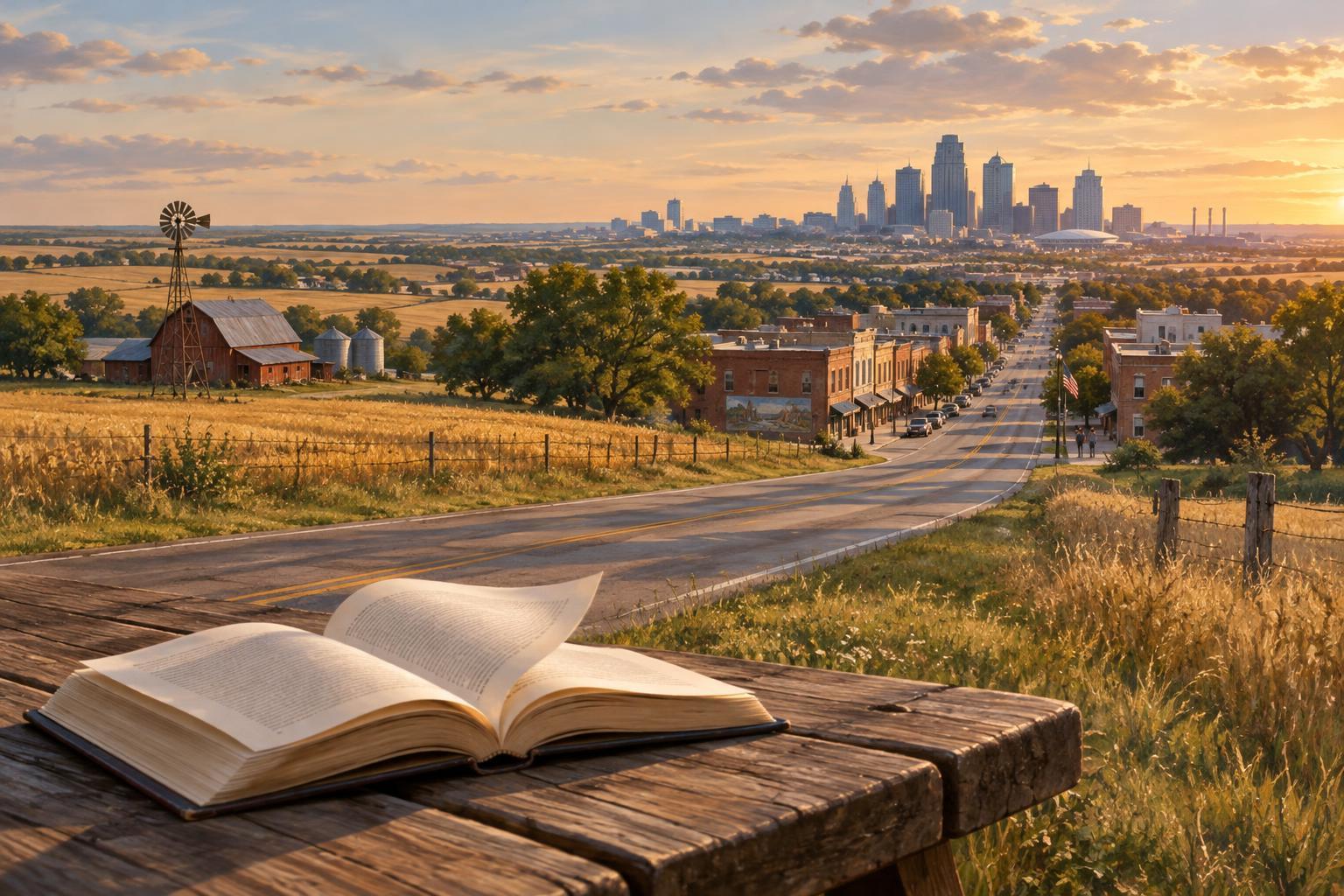
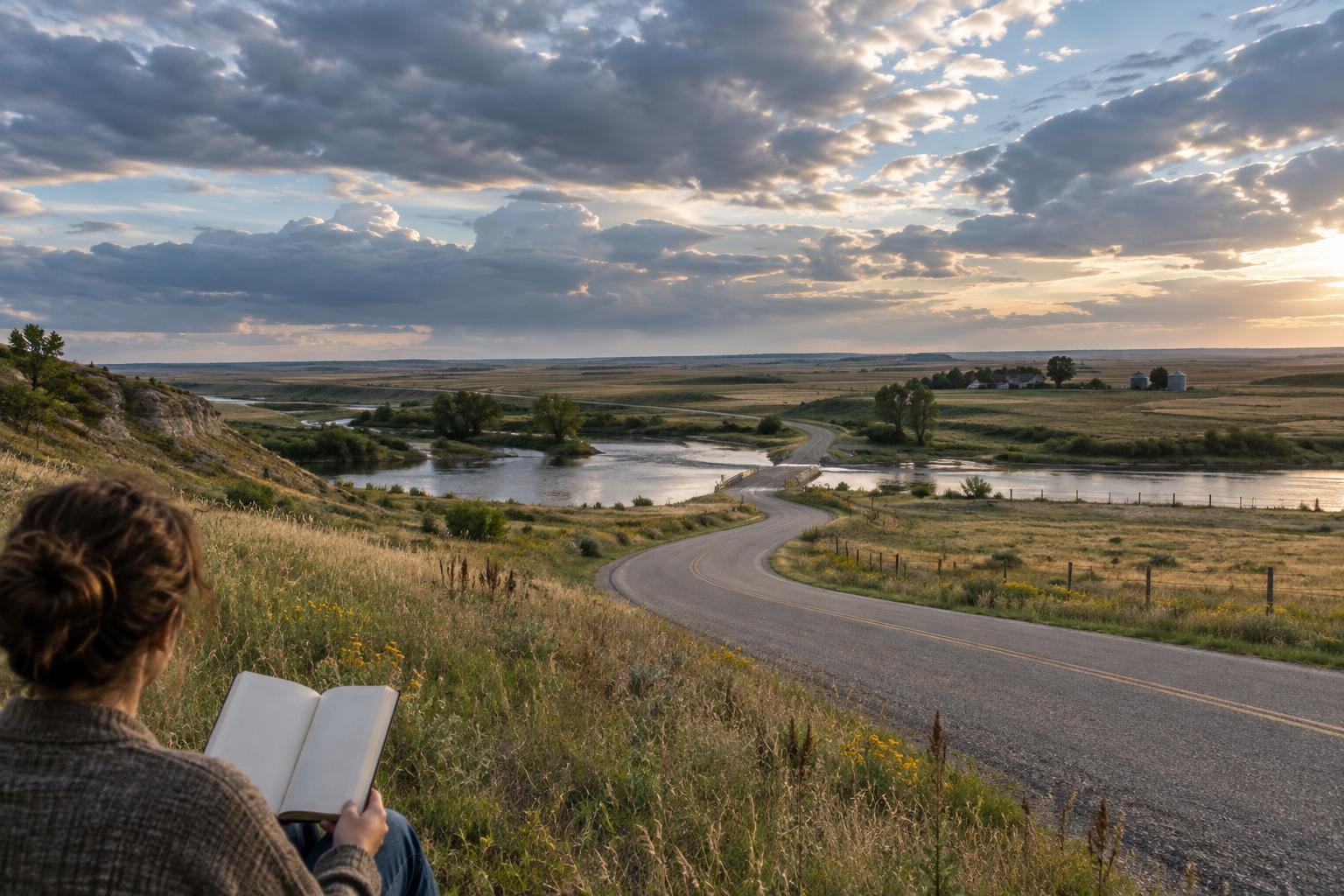
Big skies, straight roads, small towns, and severe weather can be vivid elements of a story. They can also become shortcuts if a reader assumes they must mean freedom, isolation, simplicity, or hardship. When an image feels familiar, look at what surrounds it. Is the sky observed during relief, worry, boredom, or an ordinary commute? Do two characters react to the same view differently? A detail that first seems decorative may change meaning as the story progresses.
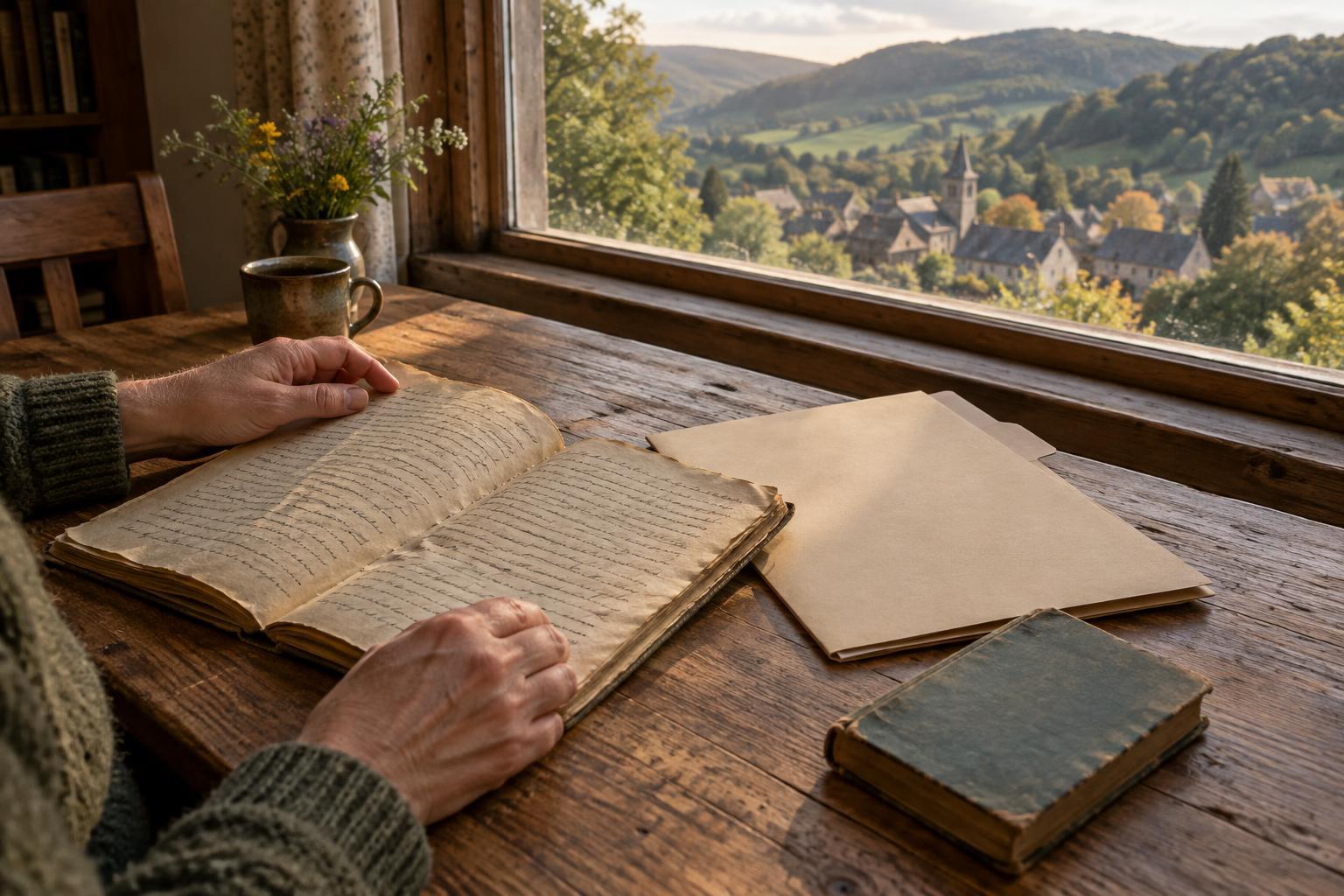
Pay special attention to indoor scenes. The landscape does not stop shaping a story when characters close the door. Mud on a floor, a view from a window, a planned trip, or a story told over dinner can bring the outside world into a room. Conversely, a writer may choose not to foreground the land at all in a scene set on the Plains. That choice can matter, too: people have friendships, ambitions, and private concerns that exceed any description of where they live.
Bring better questions to a book discussion
Instead of asking whether a story “captures the Plains,” try questions the text can help answer. Which place does a character know best, and how can you tell? What changes when someone crosses a boundary, takes a journey, or returns home? Is there a scene in which the setting complicates what you first believed about a character? Ask group members to point to a particular moment before moving to broader interpretations.
It can also help to compare your first impression with your last. Write down one landscape detail you noticed early, then revisit it after finishing the story. Perhaps it gained emotional weight; perhaps another character understood it differently. Reading this way does not require you to find a hidden symbol in every road or field. It asks you to treat place as part of the story’s relationships and choices—and to remain curious about what the story makes visible, and what it leaves for readers to question.