Begin with a person, not a verdict
An oral history can bring a place into focus through details that a broad account might leave out: the route someone took to work, the sounds of a gathering, or the way a familiar landscape changed in their lifetime. For readers interested in regional storytelling, these details can make a community feel specific rather than symbolic. They are worth attending to, even when they do not settle a larger question about what happened.
An interview tells you what a particular person chose, or was able, to share in a particular conversation. It does not automatically speak for a whole town, generation or region. Before treating a recollection as a general pattern, ask whose experience it represents. A lifelong resident, a recent arrival and someone who left years ago may remember the same place in markedly different ways.
Notice how the conversation shapes the story
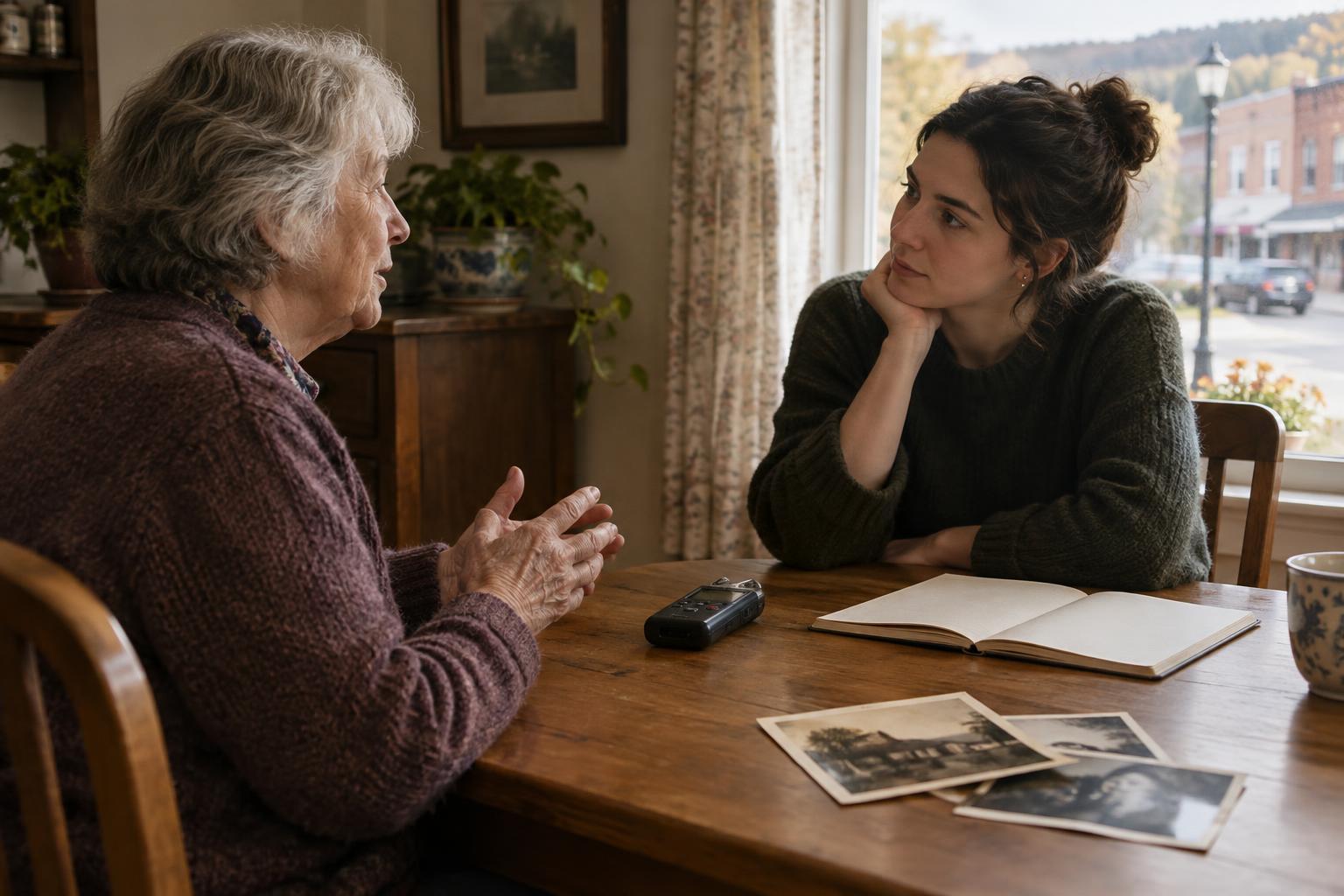
Unlike a written memoir, an interview is made through an exchange. A question may invite a detailed scene, steer the speaker toward a topic or leave little room for an unexpected answer. If the questions are included, read them alongside the responses. Notice when the interviewer asks for clarification and when a striking statement passes without a follow-up.
The form in which you encounter the interview matters too. An audio recording may preserve pauses, laughter and changes in emphasis that a transcript cannot fully convey. A transcript, in turn, makes it easier to revisit a phrase or compare passages. Either version may have been edited. If introductory notes explain what was recorded, transcribed or omitted, use them to understand the version in front of you. If those details are unavailable, resist assuming that you are seeing the entire conversation.
Read memory as memory
Memory gives oral history much of its power. A speaker may explain what an event meant to them, how their feelings changed or why a seemingly ordinary moment stayed with them. Those reflections are valuable even when a reader cannot confirm every name, sequence or date. People can combine episodes, forget details or understand an earlier choice differently after many years.
It helps to separate two questions: “What can I learn about the event?” and “What can I learn about how the speaker understands the event?” A precise account of a family meal, for example, might offer clues about daily routines, while the speaker’s emphasis on who was welcomed to the table may reveal something about belonging. Neither question requires dismissing the other. When accuracy about a specific detail is important, look for other accounts or records if they are available; do not make one interview carry the full burden of proof.
Pay attention to gaps without filling them in
An interview may leave out difficult relationships, private matters or people who had less power to tell their side. Silence can have many possible causes: a question was never asked, a speaker did not remember, or they preferred not to discuss it. Without more context, readers cannot know which explanation fits. Rather than inventing a motive, note the gap and consider what other voices might change your understanding.
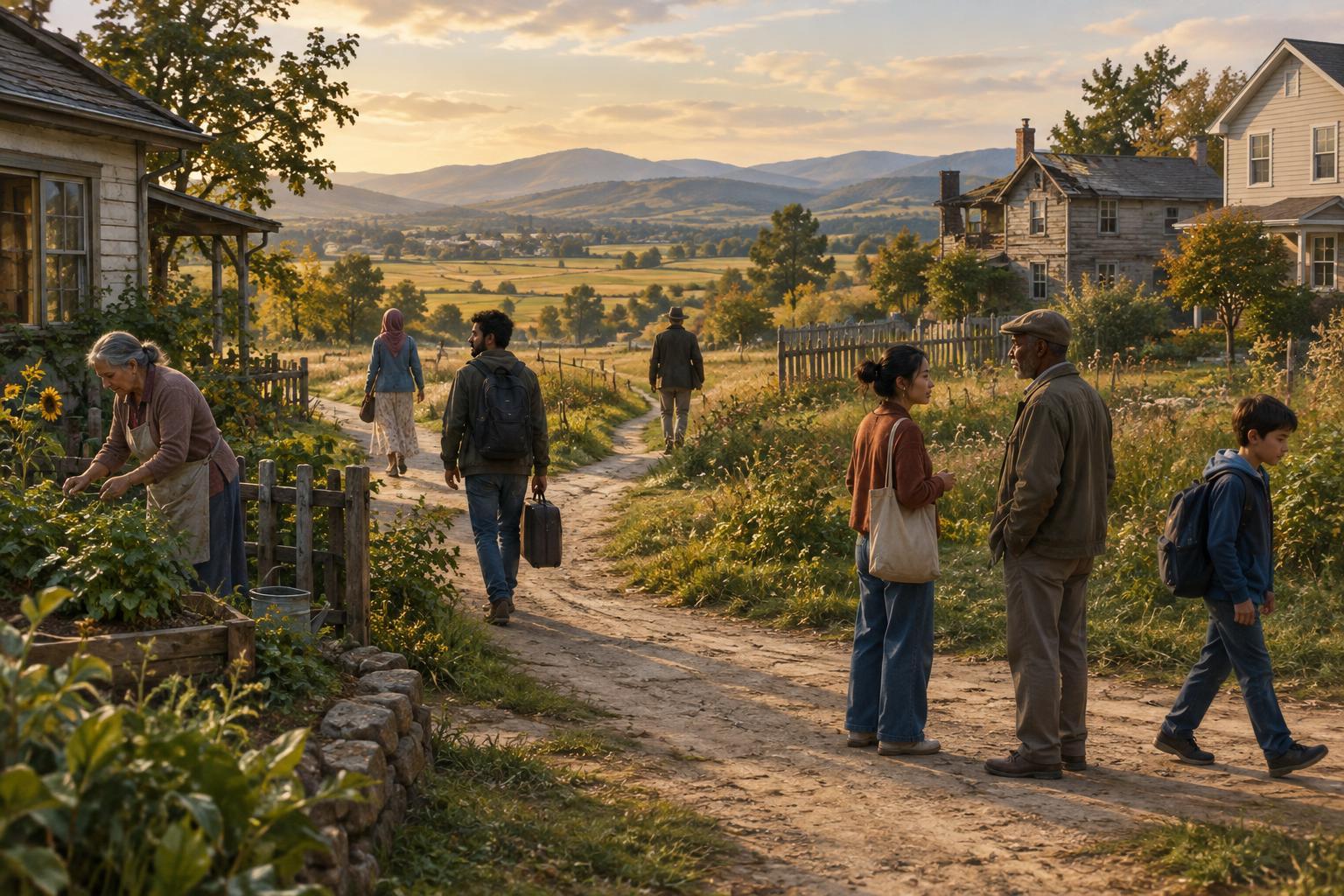
This is especially important when reading stories tied to a region. Familiar labels such as “rural,” “small-town” or “local tradition” can flatten differences within a place. Ask who appears in the account, who is mentioned only in passing and whose perspective is missing. A set of interviews can widen the picture, but even several speakers will not capture every experience.
Make room for a careful discussion
For a book group, begin with a passage that feels concrete. What does the speaker describe closely? Where do they hesitate or shift from an event to its meaning? Then turn to the interview itself: What was asked, and what might you have wanted to ask next? These questions encourage close reading without putting the speaker on trial.
Finally, consider what the interview changes about your sense of place. It may complicate a familiar story, offer an overlooked detail or show how differently people inhabit the same landscape. The most useful response is often neither unquestioning acceptance nor automatic skepticism. It is a willingness to listen closely, name what the interview can support and remain curious about what it cannot tell you alone.