A region is more than a shared backdrop
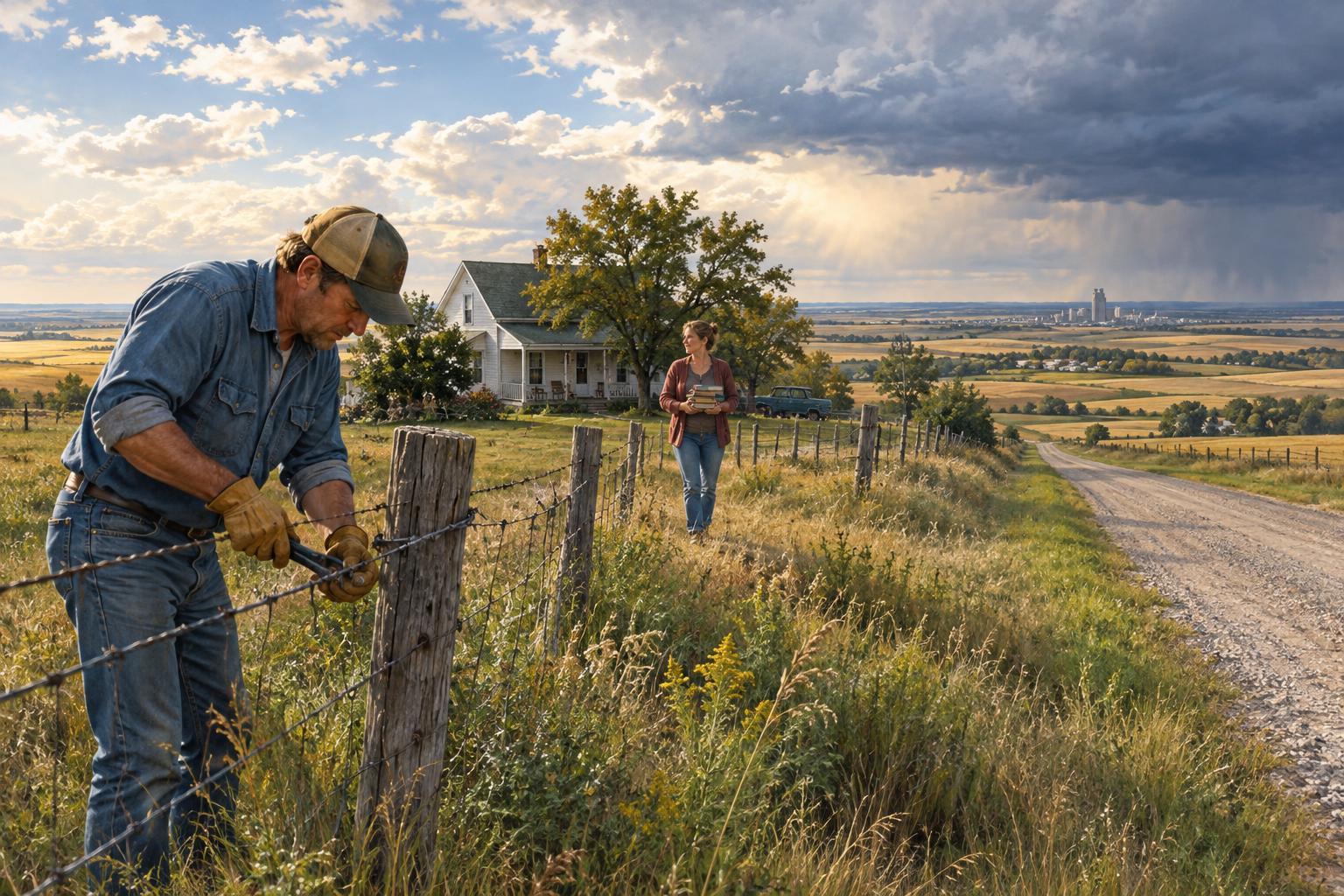
Regional stories often begin with recognizable details: a stretch of open road, the sound of wind through grass, a town square, or a family table. Such details help readers enter a place. Yet a landscape cannot tell us what that place means to everyone who lives there. Two neighbors may know the same road through entirely different experiences—one as the route to a childhood home, another as the first landmark they learned after moving in.
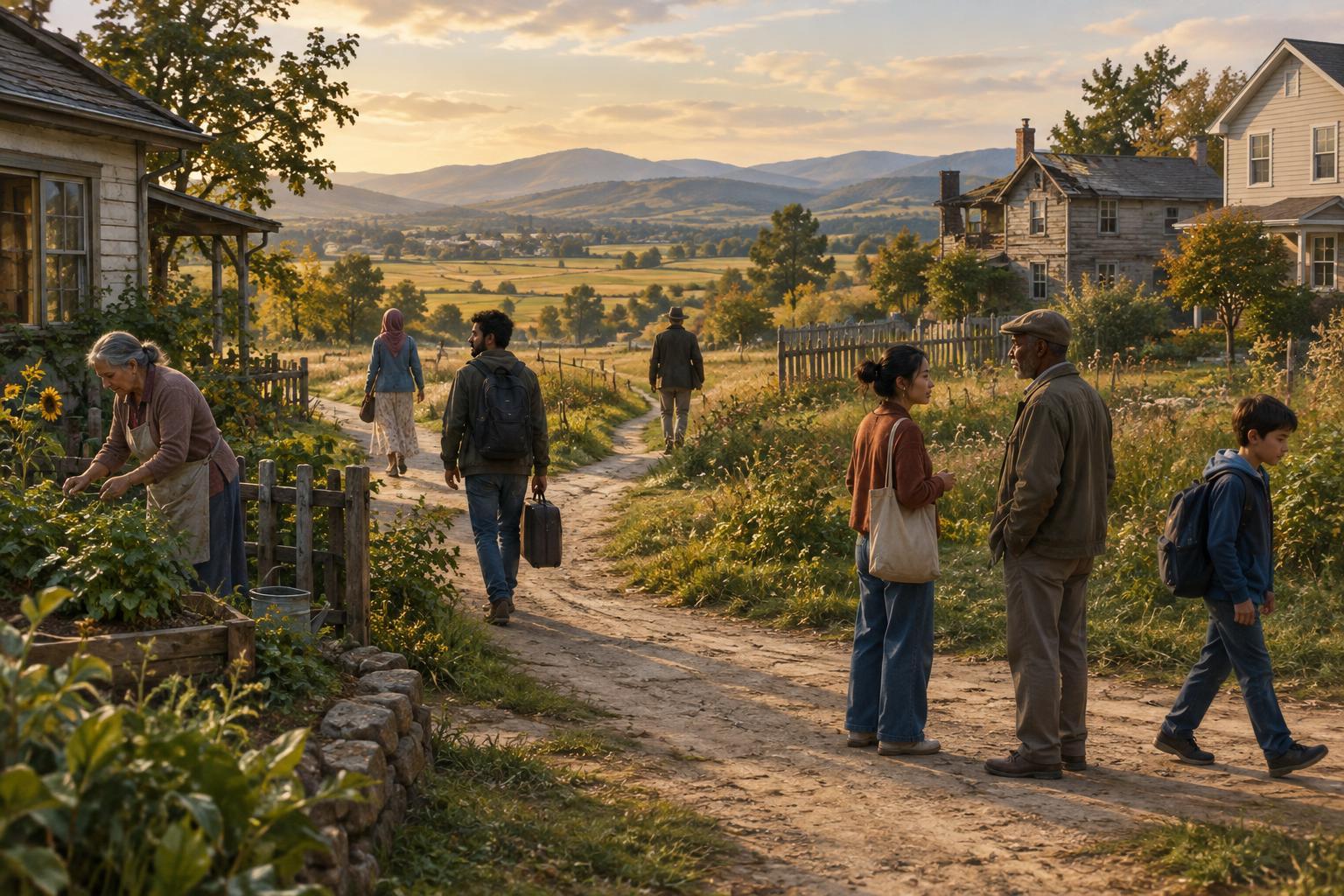
The idea of a single regional identity can be appealing because it makes a place easy to describe. It can also flatten differences in language, memory, work, and belonging. Migration stories complicate that neat description. They show that regional culture is not simply inherited intact; it is also made through the encounters and choices of people whose lives connect a place to somewhere else.
Arrival is only one part of the story
A migration narrative might follow someone who crosses a border, moves from another state, returns after years away, or leaves a rural community for a nearby city. These journeys are not interchangeable. Their circumstances, distances, and consequences differ. What they share is an attention to how a move changes everyday life: which words feel familiar, which customs require explanation, and which parts of home a person tries to carry forward.
Not every migration story ends with a simple declaration of belonging. A newcomer may build friendships while still missing another place. Someone born locally may feel connected to a parent’s memories of elsewhere. A person who leaves may continue to think of the region as home, even if returning feels strange. These tensions make regional identity more precise, not less meaningful: they reveal that attachment can be layered and sometimes unresolved.
Who gets called a newcomer?
Stories about arrival need a careful sense of what came before. Indigenous peoples have distinct, continuing relationships with their homelands; their histories should not be folded into a general tale of successive newcomers. A narrative that begins when a settler family or later migrant arrives may be an honest account of that family’s experience, but it is not the beginning of the region’s story.
The word “newcomer” can also depend on who is speaking. A family may have lived in a town for generations and still be treated as outsiders because of language, religion, or appearance. Another person may be welcomed quickly while knowing little about the place. Reading for those differences helps us ask a useful question: who has the power to define what counts as local?
Everyday details carry complex histories
Writers do not need to turn every migration story into a broad account of history. A meal prepared differently after a move, a name repeatedly mispronounced, or a familiar song heard in an unfamiliar room can show how people negotiate change. The strongest details do more than signal that a character is from elsewhere. They reveal what the character wants, what they miss, and how they respond to the place where they now live.
Place changes through these small acts as well. Neighbors exchange recipes, children grow up with more than one set of family traditions, and shared spaces acquire new meanings. Such changes need not be portrayed as effortless. Misunderstanding and unequal treatment may be part of the story. So may welcome, curiosity, and ordinary cooperation. Allowing more than one of these experiences onto the page makes the region feel lived in rather than symbolic.
Read for the relationships, not a single answer
For a book group, migration stories can open a richer conversation than “Does this character belong here?” Try asking what the character notices that longtime residents overlook, and what local knowledge the character must learn. Notice who tells stories about the place, whose memories are questioned, and whether leaving or staying changes how someone describes home. These questions invite discussion without requiring everyone to agree on one definition of the region.
For writers, the same questions can guide a draft. Give characters specific relationships to a place rather than asking them to stand for an entire community. Let them disagree about what should be preserved or changed. A region becomes more vivid when its stories include people who have stayed, arrived, departed, and returned—and when no single voice is expected to speak for all of them.