Place does more than locate the action
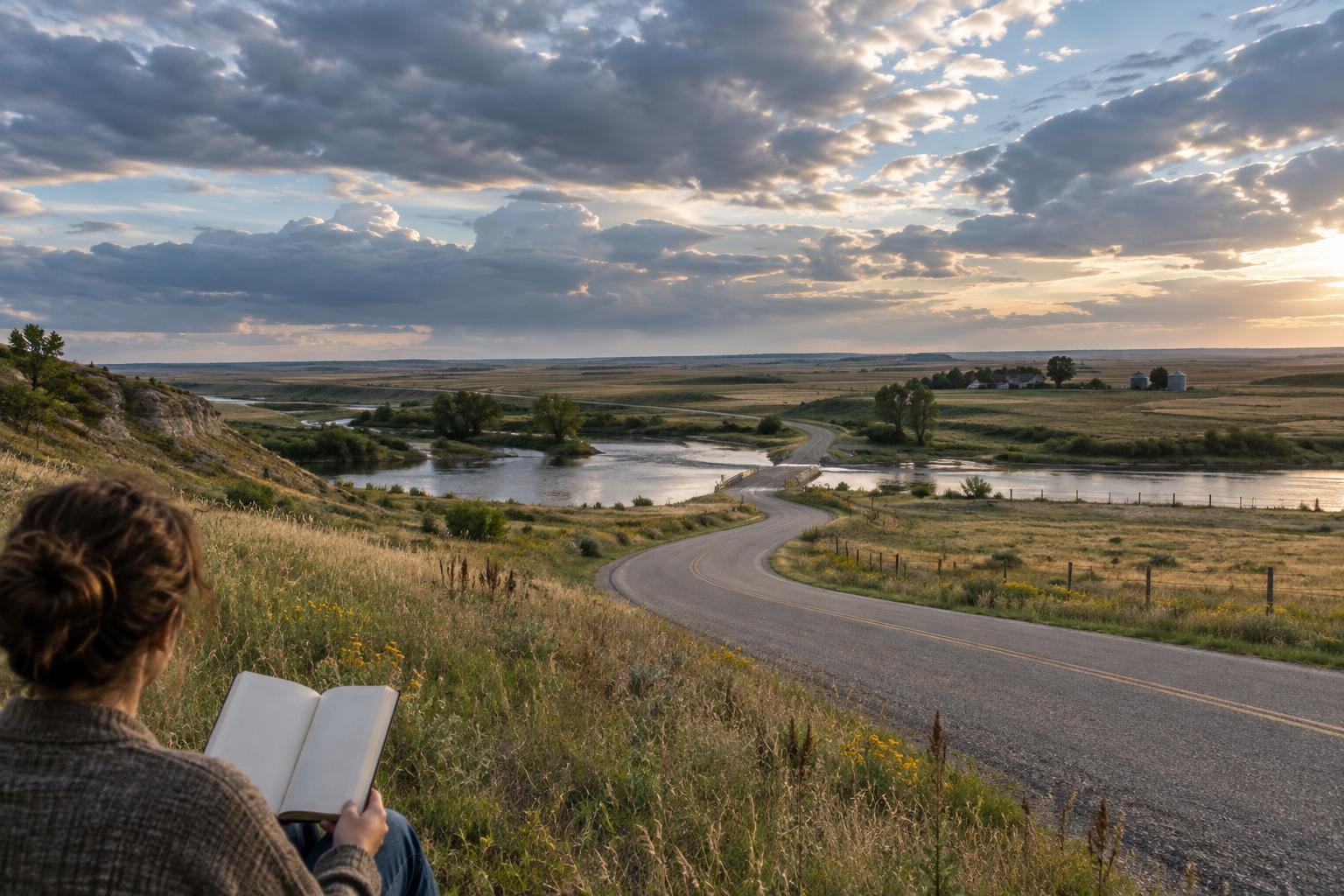
A story does not become regional simply because its opening sentence names a state or town. In a strong regional story, place affects what people notice, how they spend their time, what they can reach, and what choices feel possible. A long drive between neighbors might shape an emergency, a friendship, or a family routine. A river crossing might be a familiar shortcut to one character and a barrier to another. The setting takes part in the story rather than serving as scenery behind it.
That does not mean every detail must be unusual. Ordinary features can be the most revealing: where people gather after work, how they give directions, which buildings have changed purpose, or what a particular season asks them to do. Such details feel meaningful when they influence a scene. A mention of wind may add atmosphere; wind that interrupts a conversation, changes a journey, or brings back a memory gives the setting a role.
Community is made of relationships, not a single identity
Regions contain overlapping communities. Neighbors may share roads and weather while differing in age, work, language, beliefs, and access to resources. Even members of one household can understand their hometown differently. Regional storytelling gains depth when it allows those differences to exist instead of asking one character to stand for everyone who lives there.
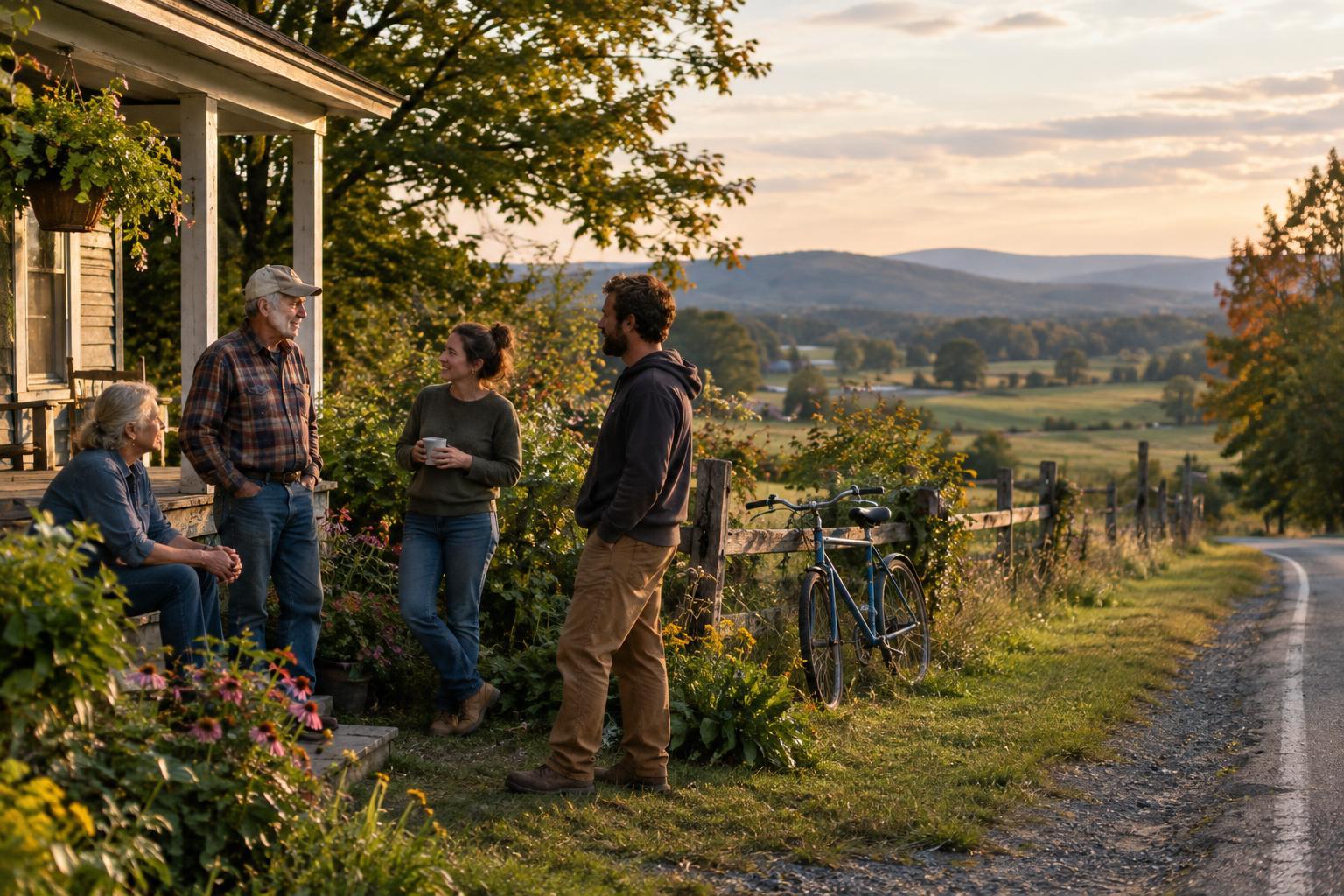
Community also becomes visible through relationships. Who knows whom? Who feels welcome at a gathering, and who hesitates at the door? Which obligations are spoken aloud, and which are simply expected? These questions can reveal the bonds and pressures of a place without reducing it to a list of customs. A convincing story may show affection for a community alongside frustration with it; the two feelings need not cancel each other out.
Perspective determines which place readers see
No narrator can show a region in full. A teenager looking for a way to leave, a newcomer learning local routines, and an older resident watching familiar spaces change will attend to different things. Their observations are shaped by what they know, what they want, and where they feel they belong. Readers can ask not only whether a description seems vivid, but why this character would notice this detail at this moment.
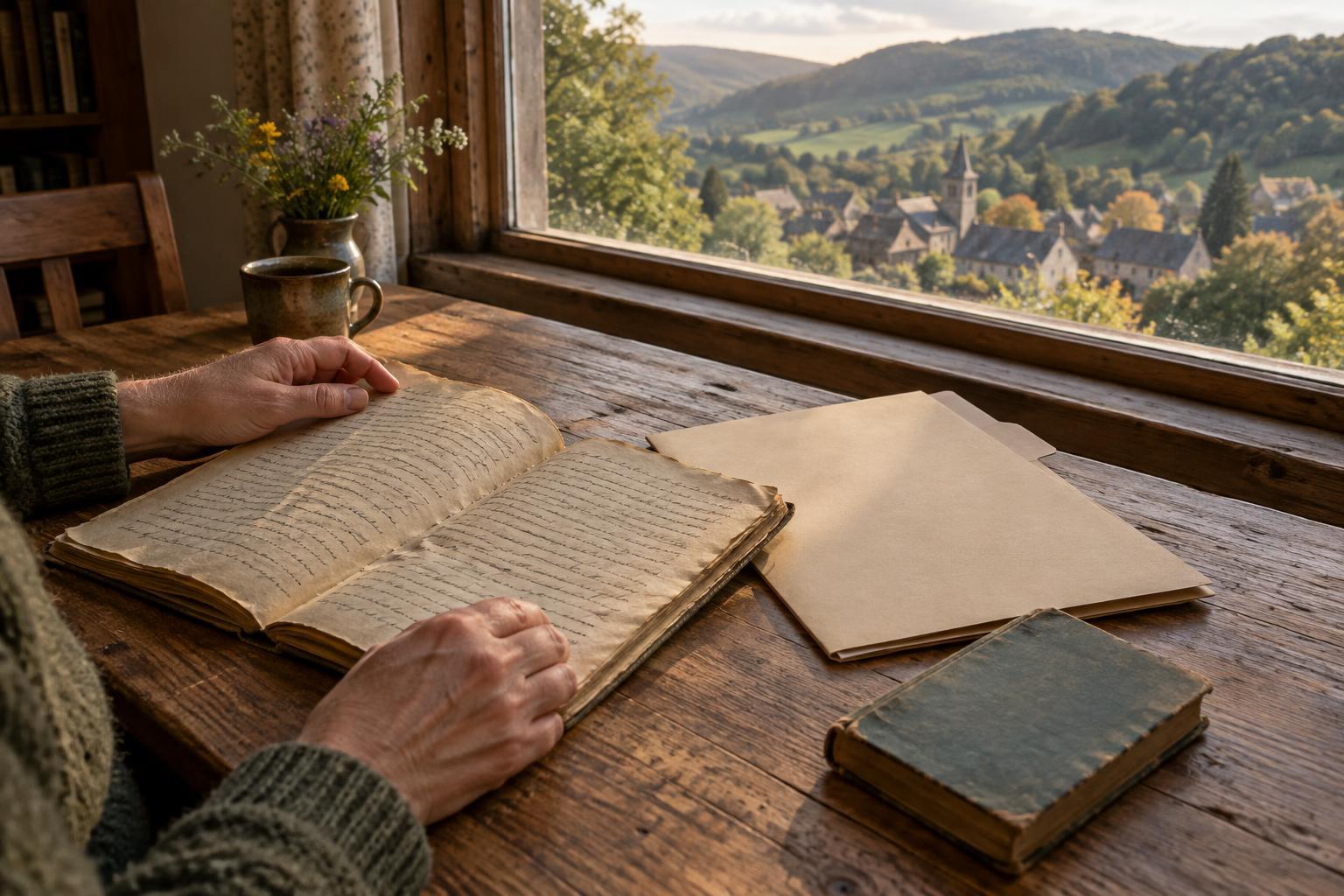
Perspective also helps distinguish lived experience from a postcard view. A character might pass a landmark without remarking on it because it has always been there, yet dwell on the empty storefront next door because it once held a friend’s business. Another character might notice the landmark first. Neither view is complete. Putting perspectives in conversation can make a region feel larger than any one account of it.
Specificity works better than a checklist
Regional writing can fall flat when it relies on ready-made signals: a few familiar foods, a stock accent, or a landscape described in broad strokes. Specificity asks for a closer connection between detail and character. What does a particular meal mean to the person preparing it? Does a local expression create warmth, confusion, or distance in the scene? Why does one patch of land matter to this family more than another?
Writers need not explain every reference for an imagined outsider. Context can often carry meaning through action and response. At the same time, leaving some things unexplained is different from treating people as colorful background. Characters deserve motives and contradictions beyond their ability to make a place seem distinctive. A useful revision question is whether a detail changes what readers understand about the people or the story. If it does not, it may be decoration rather than substance.
How to read and write with place in mind
For a book-group discussion, choose a scene that could not happen in quite the same way somewhere else. Identify what the setting contributes: a physical constraint, a shared history, a social expectation, or a character’s private association. Then imagine the scene from another resident’s point of view. What might that person notice or dispute? This approach opens a conversation about place without requiring the group to agree on a single, definitive portrait of a region.
For a writing exercise, begin with a small decision: whether to take a familiar route, attend a gathering, or enter a building tied to an old memory. Give the character a reason for the choice, then let three concrete features of the place complicate it. The result need not be a sweeping account of a town or landscape. A regional story can begin with one person moving through a place they know imperfectly, discovering what it asks of them today.