Begin with the place on the page
A Great Plains story may open with a field, a neighborhood street, a river crossing, or a long drive between towns. It is tempting to treat these details as scenery before the real action begins. Instead, ask what the place makes possible. How far must a character travel to see someone? Where can people gather? Which spaces feel familiar, and which feel difficult to enter? A setting can shape choices without becoming a symbol for everything a story means.
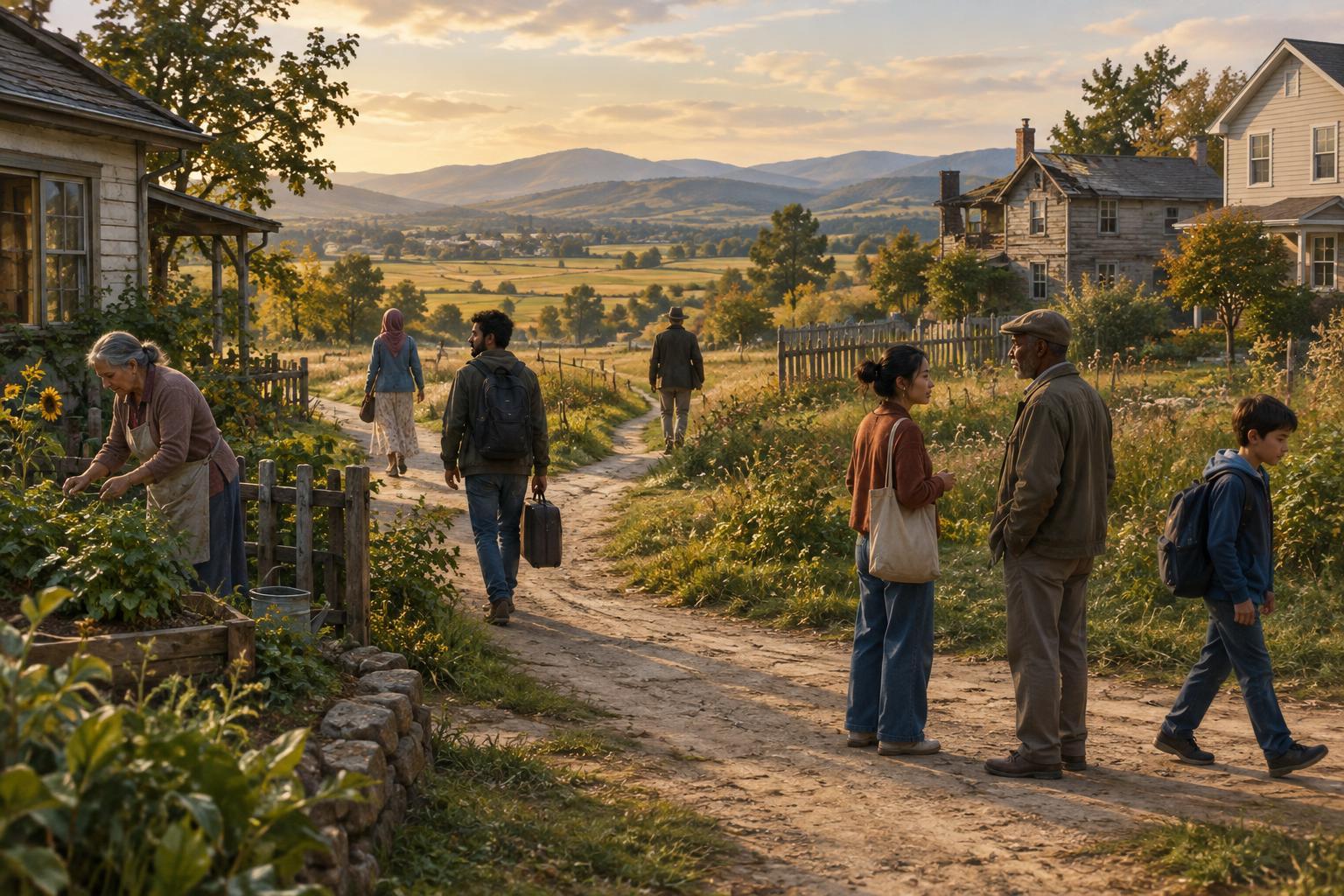
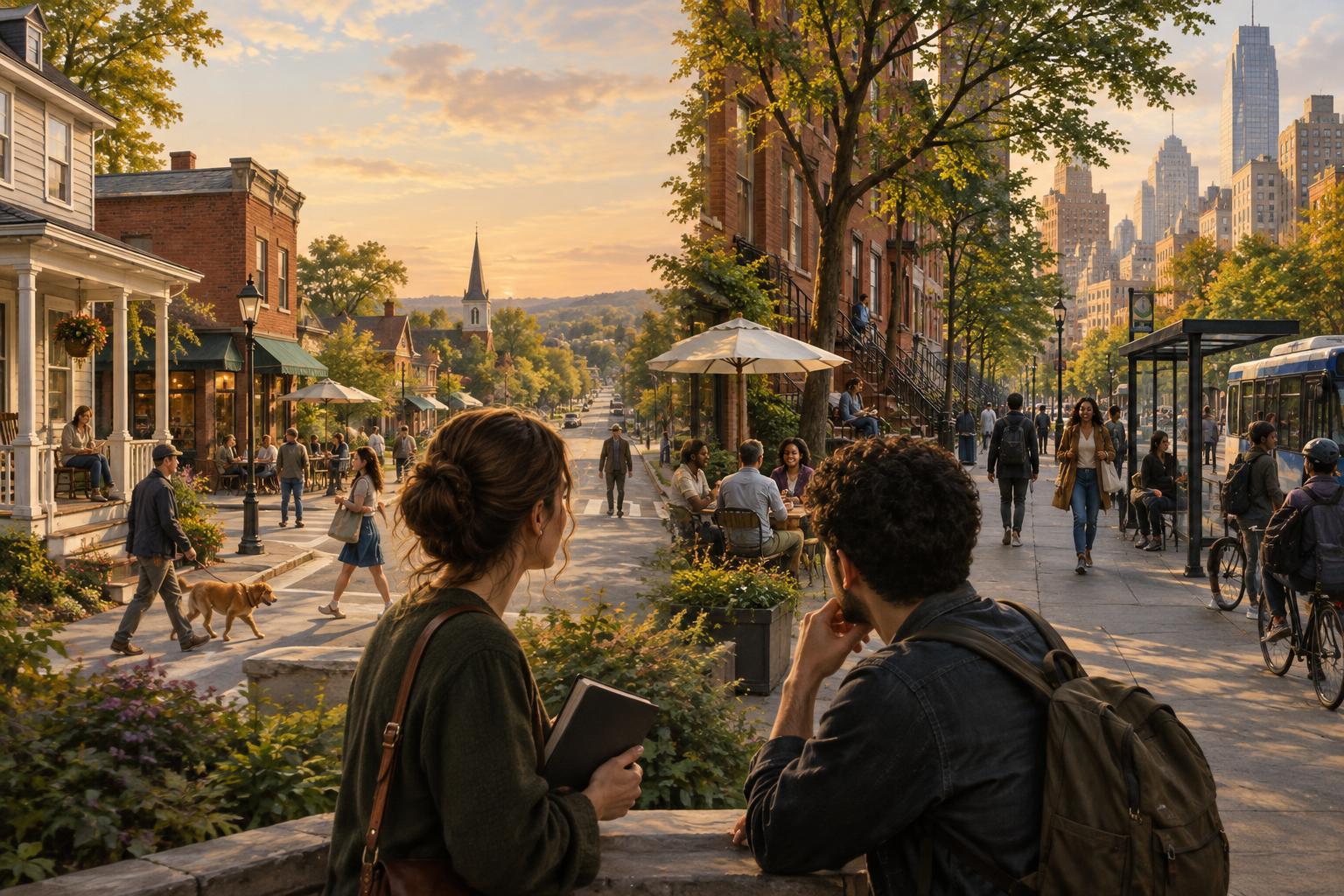
Avoid assuming that every Plains story takes place on an isolated farm or looks back toward a rural past. The region contains cities, small towns, and many kinds of communities. Writers also make different choices about how much of a place to describe. A familiar road might need only a name; a newcomer’s first view might take a full page. Notice whose eyes guide the description and what that perspective leaves out.
Read weather as an event, not a personality
Wind, heat, snow, and rain can alter a day’s plans in fiction and memoir. Weather may delay a trip, bring neighbors together, interrupt paid work, or change the mood of a conversation. Its effects are often more revealing than the forecast itself. When weather appears, look for the practical decisions characters make in response. Who has shelter, a flexible schedule, or someone to call? Who must carry on?
Weather can also carry emotional weight, but it need not mirror a character’s feelings. A bright afternoon might accompany grief; a storm might arrive during an otherwise ordinary shift. Before calling the sky a metaphor, consider what it does in the scene. Does it change the pace, narrow the characters’ options, or give them something to talk about when a harder subject remains unspoken?
Notice the work that keeps a story moving
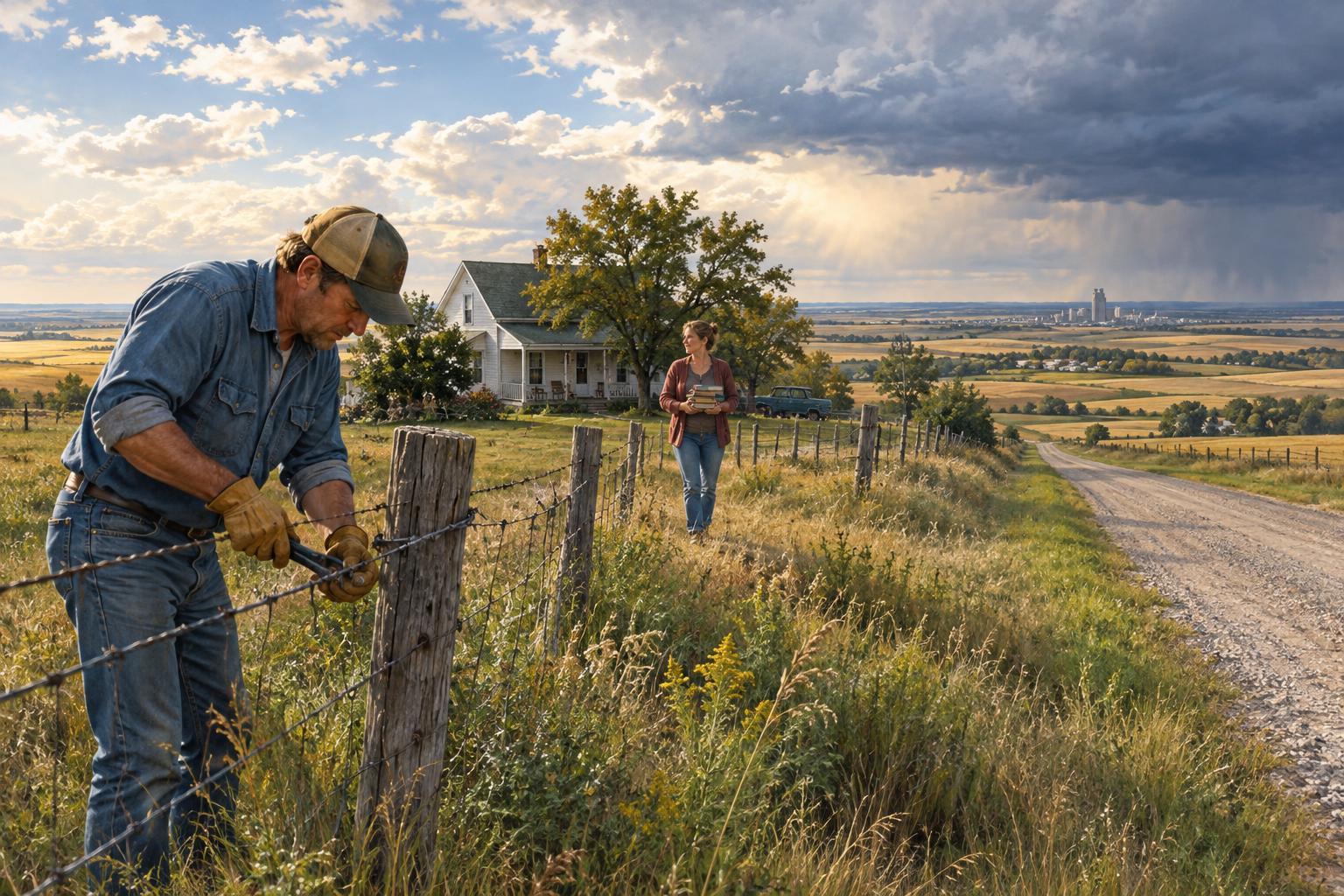
Work in Plains stories can mean growing food, caring for relatives, repairing equipment, teaching, serving customers, or keeping a household running. Even when no one describes a job at length, tasks give a day its shape. A character may have to finish a shift before attending a family gathering, or pause a conversation to handle a chore. Such interruptions can show what matters to someone and what demands their attention.
Pay attention to which kinds of labor receive recognition. Who is praised for being dependable? Whose effort is treated as simply expected? The answers may reveal relationships within a family or community more clearly than a direct explanation would. They can also complicate a familiar picture of self-reliance: people may take pride in what they can do while depending on neighbors, coworkers, and relatives.
Ask who gets to tell the story
Land, weather, and work mean different things to different people. A writer’s choices are shaped by a narrator’s history, relationships, and position in a community. The same road might suggest freedom to one character and separation to another. Rather than looking for a single authentic Plains experience, ask whose experience this particular story makes visible.
That question matters especially when reading across communities. Indigenous nations have distinct histories and living traditions; their stories should not be folded into a general tale of settlement. Likewise, no one farming, immigrant, urban, or small-town narrative can stand for everyone in that setting. A useful reading habit is to note the specific places, relationships, and voices a work presents, then resist filling its silences with assumptions.
Take three questions to your next discussion
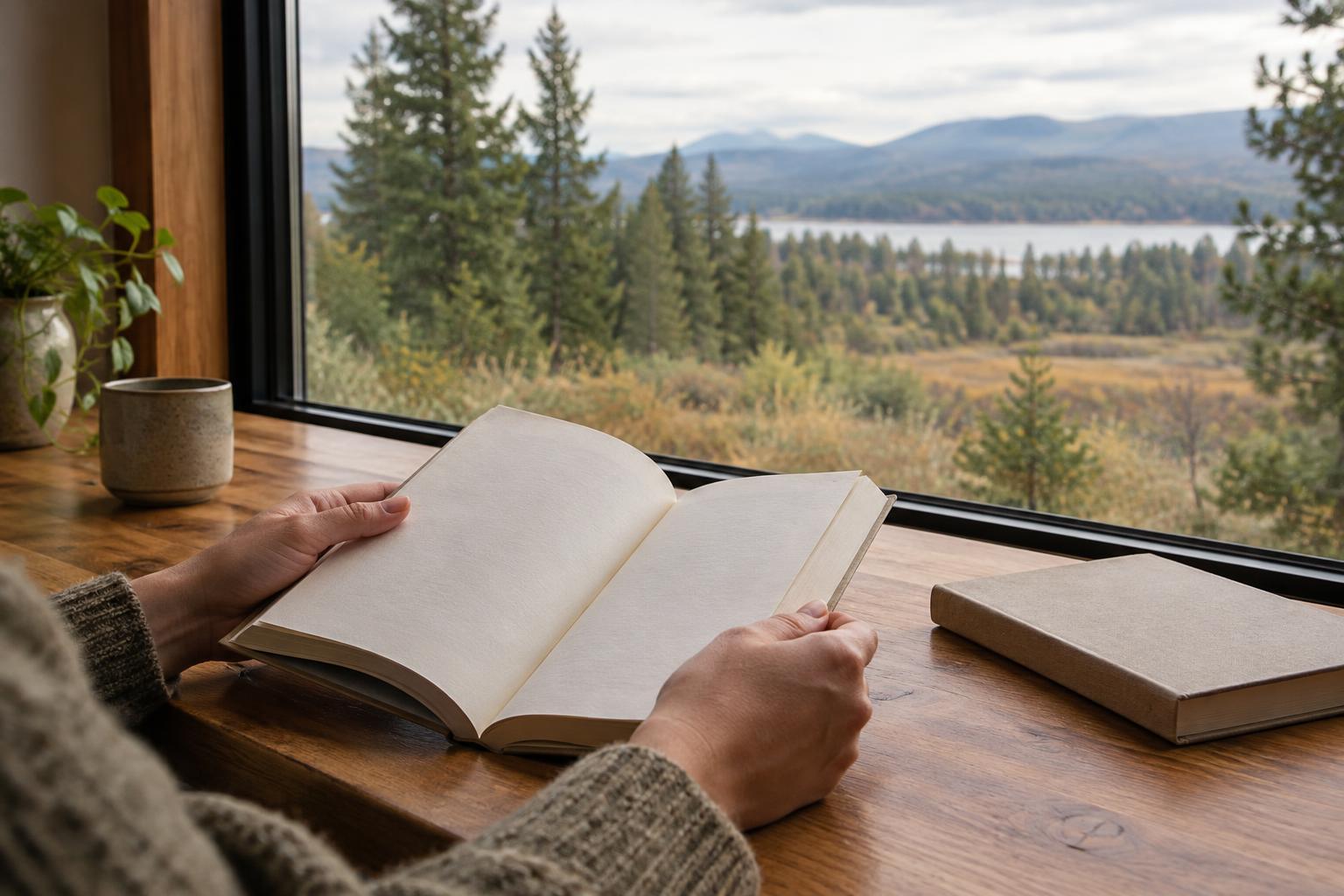
For a book group or a reading journal, start with a concrete moment: a journey, a change in weather, or a task someone performs. Ask, “What would happen differently if this detail changed?” The question helps distinguish a detail that drives the story from one that establishes a character’s point of view or a sense of place. Both may matter, but they do different work.
Then ask who notices the detail and who does not. Finally, ask whether it changes meaning by the end. A field first described as familiar may later feel contested; a routine job may become a source of pride or strain. These questions keep the conversation close to the writing. They also leave room for disagreement, which is often more fruitful than trying to decide what the Great Plains as a whole are supposed to mean.