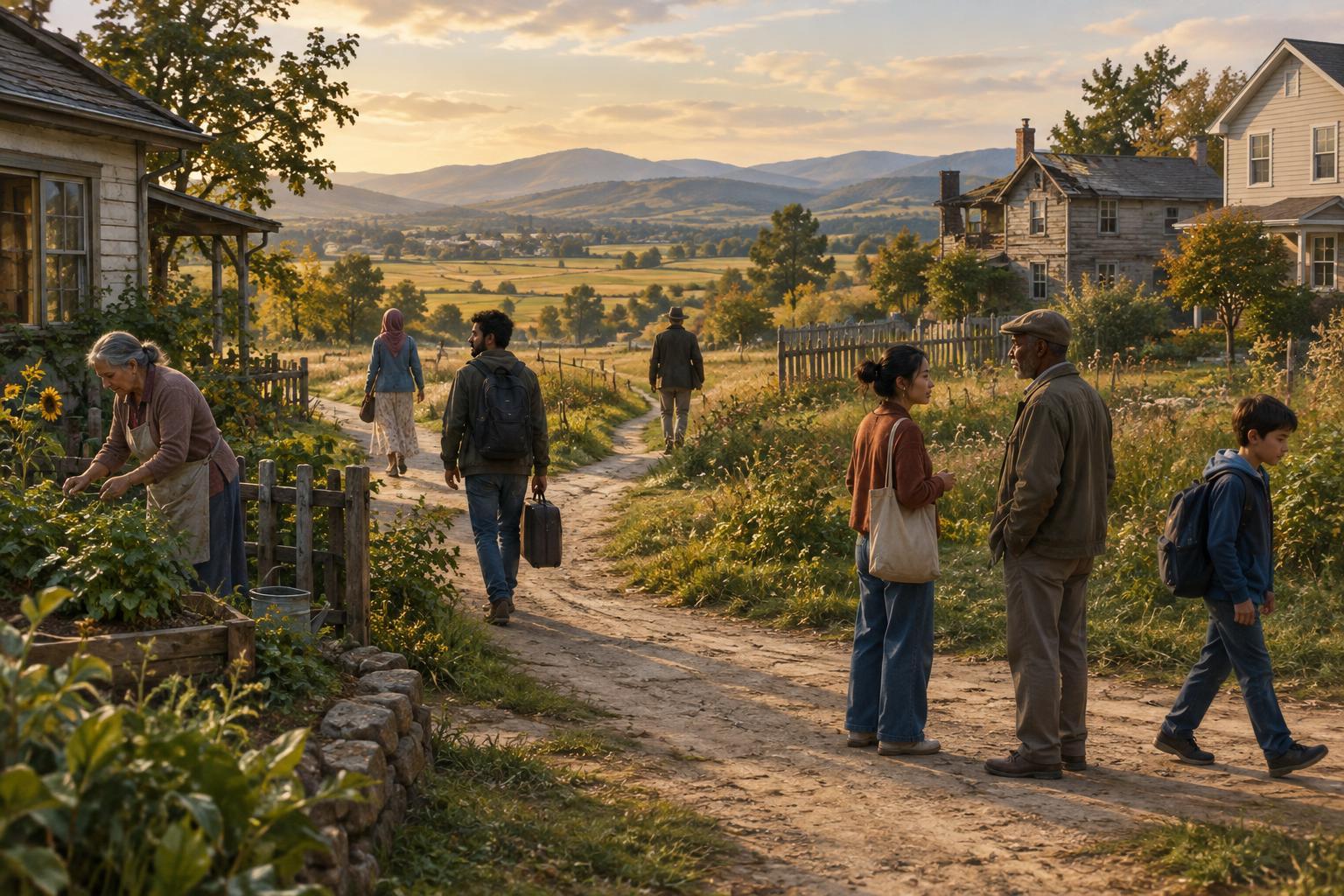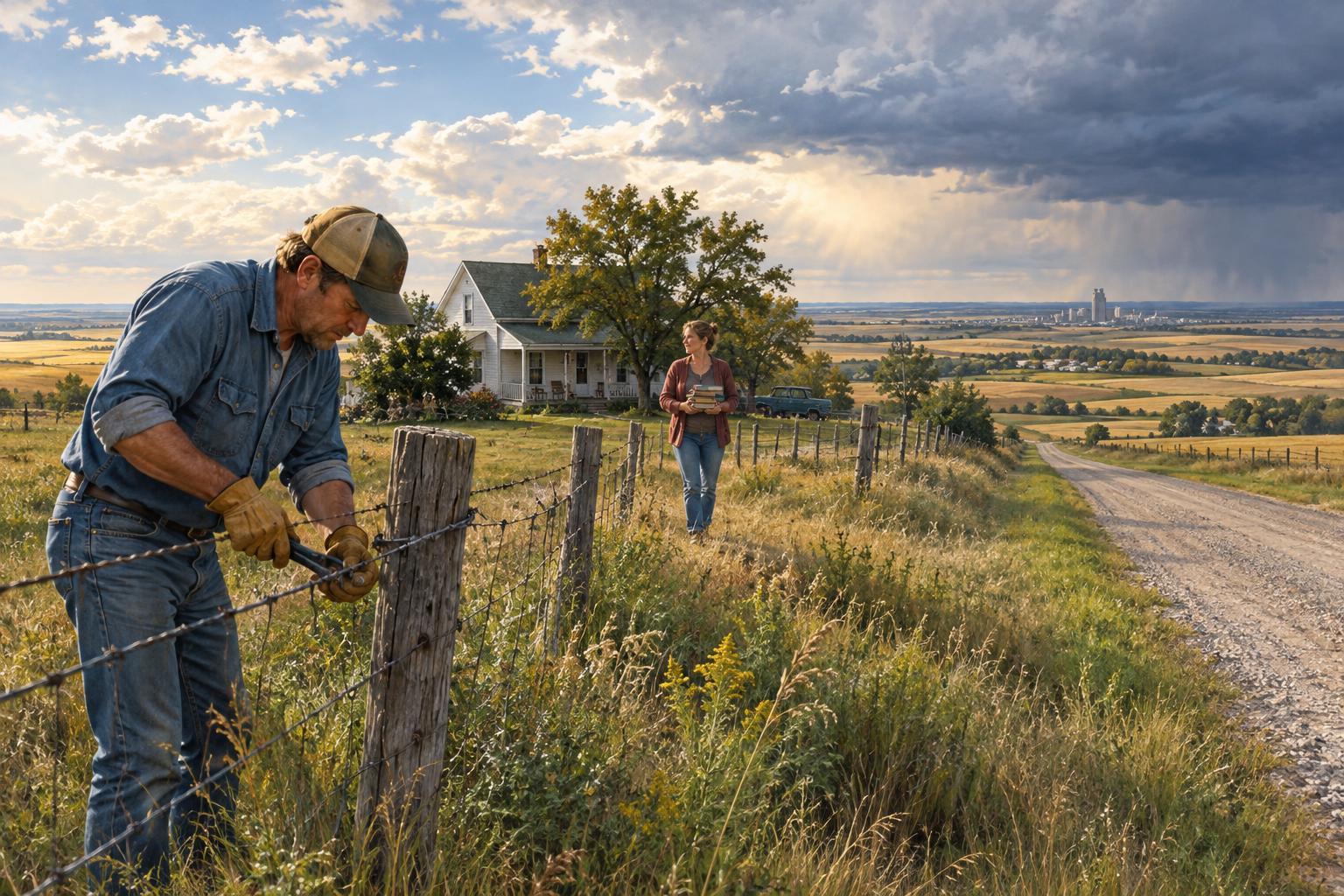
Community is more than a backdrop
Imagine a character who misses an important appointment. In one story, a neighbor notices the character’s car outside the house and knocks on the door. In another, nobody notices the absence, but the character runs into a friend on a crowded train the next morning. The missed appointment is the same event. The community around it changes what happens next.
Small-town and city stories are often compared through familiar images: the town where everyone knows everyone, or the city where strangers pass without speaking. Those images can be useful starting points, but they are not complete descriptions of either place. A city block can be close-knit; a small town can leave someone feeling unknown. For readers and writers, the more interesting question is how a particular community helps or limits the people in a particular story.
Who knows what, and how do they find out?
Plots depend on the movement of information. A character may need to keep a secret, discover a neighbor’s past, or find out why a familiar business has closed. In a small-town story, repeated encounters can make information travel through overlapping circles of relatives, coworkers and neighbors. That can create pressure: a private decision may become a topic of conversation before the character is ready to explain it.
A city story offers different possibilities. A character might move among groups that rarely meet, keeping parts of their life separate. Yet information can still move quickly within an apartment building, workplace, religious community or group of friends. Rather than assuming that one setting has gossip and the other has anonymity, notice who shares information, who is excluded, and what a character risks by speaking.
A useful reading question is: Who would learn about this event first if the story took place somewhere else? Changing that answer might change the next scene. A surprise arrival could become public knowledge before a small-town character gets home, while a city character might have to decide whom to tell at all.
The places where paths cross
Community also shapes plot by giving characters reasons to meet. A diner, school event, main street or local celebration can bring together people who would rather avoid one another. In a city story, a shared courtyard, bus route, neighborhood shop or community meeting can serve a similar purpose. The important feature is not how picturesque the place looks. It is what the place makes possible: an overheard remark, an unexpected ally, or an argument that cannot stay private.
Distance and routine matter, too. If two characters must use the same road to get to work, an encounter may feel inevitable. If they live across a city and follow different schedules, meeting may require a choice, a coincidence or a change in routine. Either arrangement can support a convincing plot when the writer has made the characters’ movements clear. Readers can watch for these practical details and ask whether an encounter grows naturally from the setting.
Belonging, reputation and change
Many community-centered plots turn on belonging. A newcomer may want to be accepted; a longtime resident may want room to change. A character returning home may discover that other people still see the person they used to be. These conflicts can arise in towns and cities alike, though the communities involved may have different boundaries. In a small town, a family name might carry expectations. In a city neighborhood, a character’s ties to a building, business or local group might matter just as much.
Regional storytelling becomes richer when a place has more than one point of view. Two residents can remember the same street differently. One may value a familiar gathering place; another may associate it with being left out. A proposed change might promise new opportunities for some characters while threatening something others rely on. When a story lets those views meet, the setting becomes an active part of the conflict rather than a shorthand for what its residents believe.
A comparison to try with your next story
As you read a small-town or city story, choose one turning point and trace its connection to the community. Where does it happen? Who is present? Who hears about it afterward? What would the main character gain or lose by asking for help? Then imagine moving that turning point to a different kind of community. You do not need to rewrite the whole plot; a few changed answers may reveal how much work the setting is doing.
Writers can use the same exercise in reverse. Begin with a conflict, then give the community specific spaces, relationships and habits that complicate it. Avoid deciding in advance that a town must be welcoming or a city must be lonely. A strong community-shaped plot gives its characters both connections and obstacles, and lets the consequences of living together unfold.