Match the book to the task
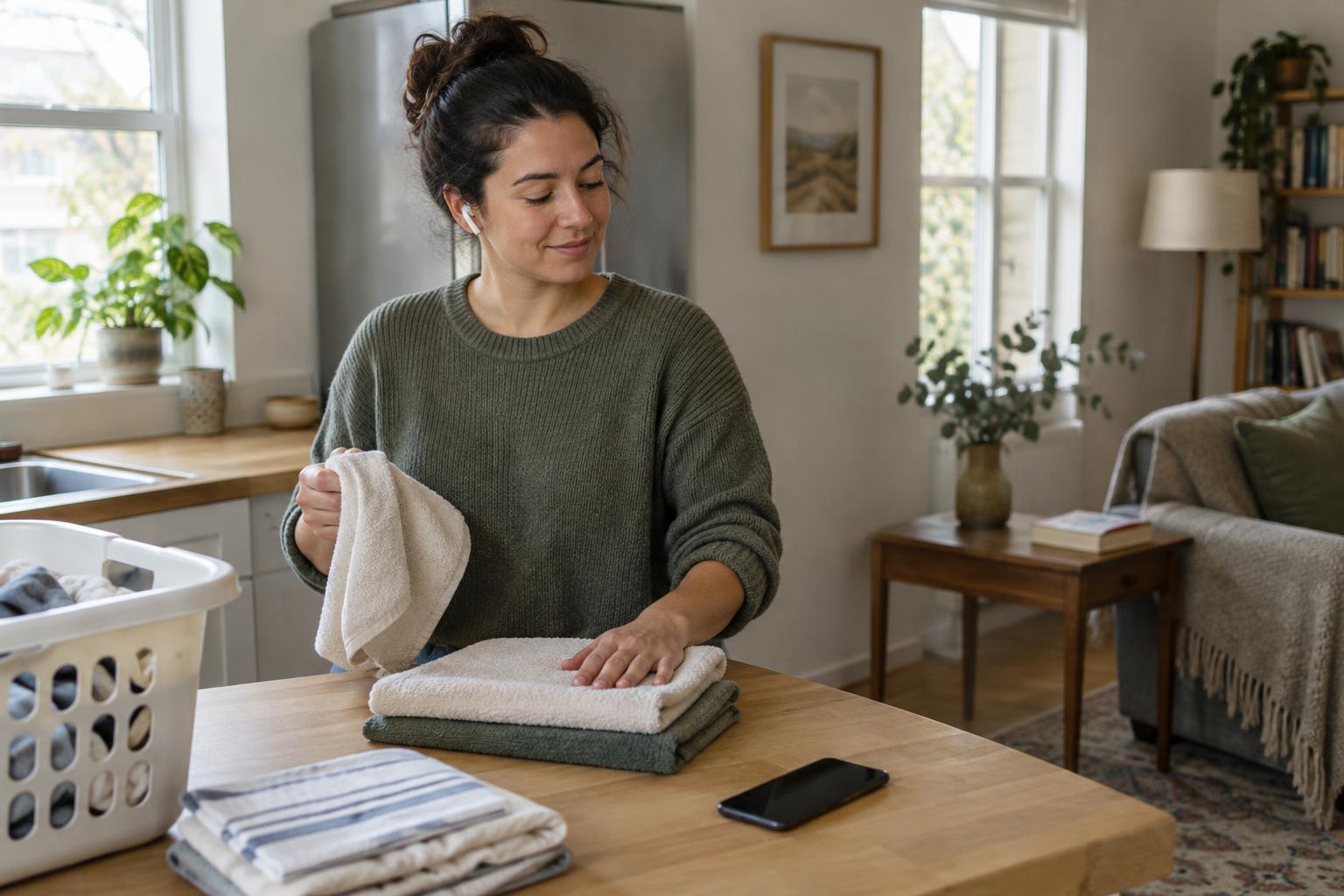
Listening while doing something else works best when the second task leaves room for the story. Folding laundry, washing dishes or taking a familiar walk may allow you to follow a chapter. Writing an email, reading a recipe for the first time or planning a complicated route may not. The question is not whether you can hear the narrator; it is whether you have enough attention left to understand what you hear.
Consider the book, too. A familiar story or one with a straightforward plot may be easier to follow while your hands are busy. A novel with many similar-sounding names, a shifting timeline or dense language might deserve a quieter stretch. That does not make one kind of book better than another. It simply means different books ask for different kinds of attention.
Try assigning books to situations rather than expecting every audiobook to fit every moment. You might save a complex chapter for a walk and play a lighter one while tidying. If a task demands your full attention, pause the book. When safety matters, such as in traffic or around equipment, let the task come first.
Give yourself an easy way in
The first few minutes of a listening session often do the most work. Before pressing play, recall where you left off: who was present, what question remained open and whether the scene had just changed. A single sentence in your own words can be enough. If you cannot remember, replay the end of the previous section instead of hoping the context will return on its own.
It can also help to begin an audiobook when you are doing only one thing. Listen to the opening pages without a competing task so you can learn the narrator’s rhythm and meet the main people or ideas. Once the setting feels familiar, add a routine activity. Starting a new book in the middle of a demanding chore can make its introduction feel harder than it really is.
Use small checkpoints, not constant vigilance
You do not need to remember every sentence to follow a book. At a chapter break or natural pause, briefly ask yourself what changed. Did a character make a choice? Did the writer introduce a new idea? What do you expect to hear next? This quick check shows whether you have the thread without turning listening into a test.
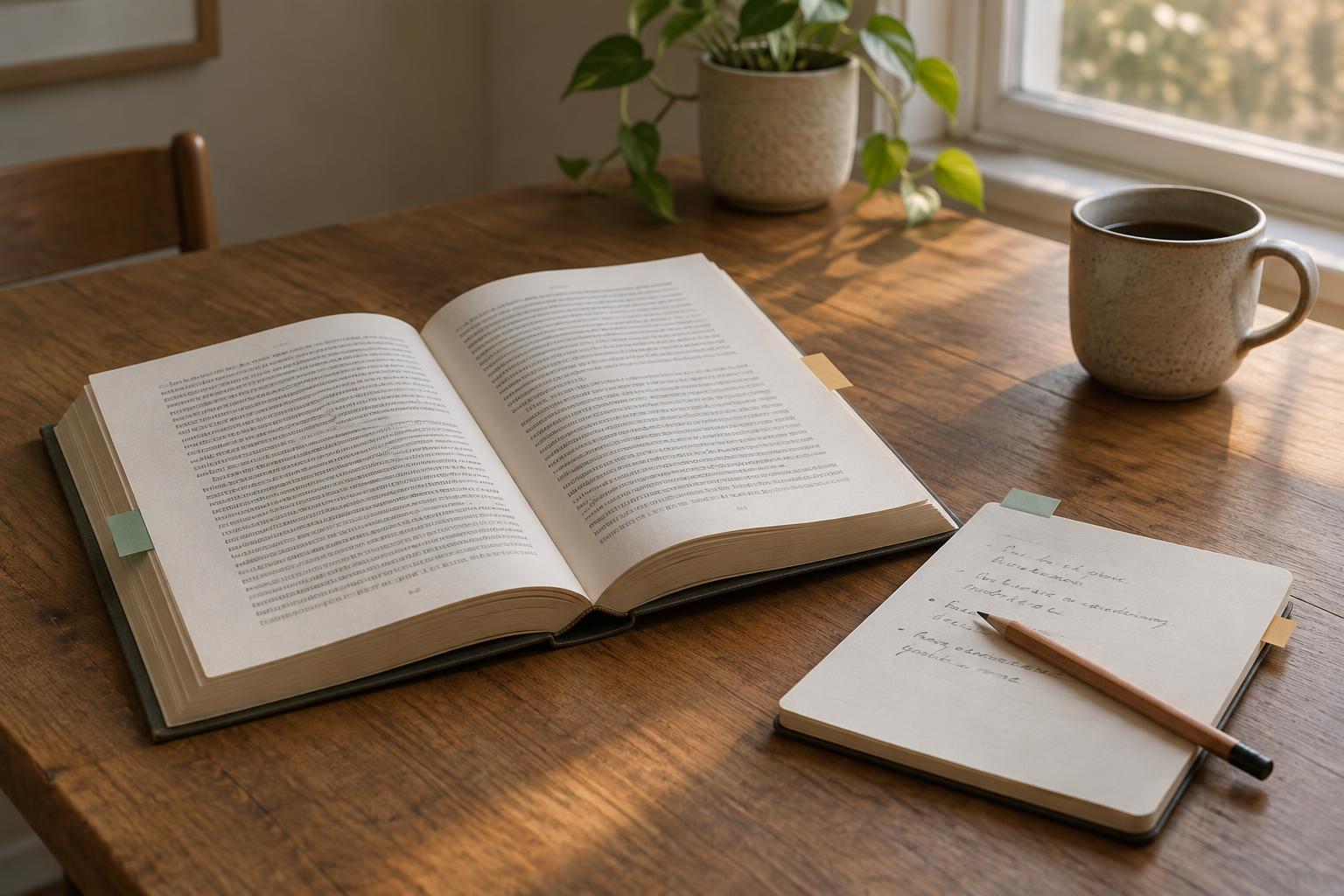
For books you want to discuss or think about later, keep notes modest. A few names, a short question or a timestamp for a passage you want to revisit may be more useful than a running summary. Check your app for bookmarks or playback controls if those features would help. If reaching for your phone would interrupt the task or create a hazard, wait until you have stopped.
Playback speed is another tool, not a goal. A faster pace may feel comfortable with a familiar narrator and distracting with an unfamiliar one. Slowing down can give you more time to absorb a new voice or a complicated passage. Choose the setting that lets you enjoy and understand the book, even if that setting changes from chapter to chapter.
Make losing your place easy to fix
Everyone’s attention wanders. You may notice that you have been thinking about tomorrow’s plans while several minutes of dialogue passed by. Instead of treating that as a failed listening session, go back to the last point you clearly remember. Replaying a little more than you think you need often makes the scene easier to enter again.
If you repeatedly lose the same passage, consider what is competing for your attention. You might pause until the chore becomes more routine, switch to a quieter activity or listen to that section without multitasking. Sometimes the book itself needs a different approach. A printed or digital copy, if available to you, can help you sort out unfamiliar names or a passage you want to study closely.
It is also fine to let some details go. A brief description you missed may not affect your understanding, while an unfamiliar speaker or a major turn in the argument probably will. Rewind for what matters to your experience of the book, not because every moment must be captured perfectly.
Find a rhythm you want to return to
A sustainable listening habit can be small. One chapter while preparing dinner or fifteen minutes on a walk gives you a natural stopping point. Ending at a clear break can make it easier to remember where you were the next time you press play. If you must stop mid-scene, replaying a minute when you return may provide all the context you need.
Audiobooks do not have to fill every quiet moment. Sometimes a chore is more restful without narration, and sometimes a book deserves your undivided attention. The useful habit is noticing which combinations work for you. When the task, book and pace fit together, listening can become an enjoyable part of a routine rather than one more thing to keep up with.